What were the positive effects of the sewing machine?

The whirring sound of a needle moving rapidly through fabric marked one of the most significant technological leaps in domestic and industrial history. Before this machine existed, clothing production was an agonizingly slow process, dictating the cost, availability, and very rhythm of daily life. The invention and subsequent mass adoption of the sewing machine acted as a powerful, positive catalyst, reshaping economies, redefining household labor, and even influencing personal well-being in ways that are still felt today.
# Speed Gains
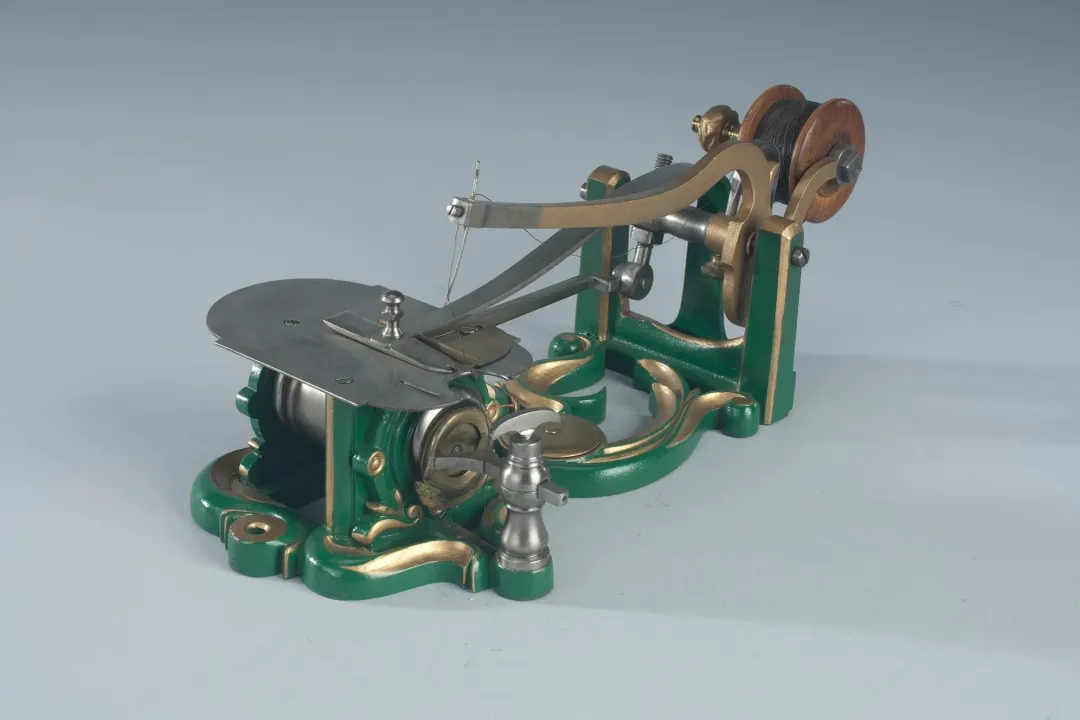
The most immediate and quantifiable positive effect was the radical acceleration of sewing tasks. Hand sewing required painstakingly slow motions, with an average seamstress managing perhaps a few dozen stitches per minute. The introduction of the mechanical device allowed for speeds upwards of one thousand stitches per minute, fundamentally changing the economics of textile creation. This massive increase in productivity meant that garments, which were once expensive luxuries or time-consuming necessities, could be manufactured quickly and in far greater quantities.
This speed translated directly into affordability. When production time drops dramatically, so too does the cost of the final product, making relatively nice clothing accessible to a much broader segment of the population who previously had to rely on coarse, simple, or hand-me-down attire. For the domestic user, this meant less time spent on mending and creating essential items, freeing up hours in the day.
# Industrial Scale
In the commercial sphere, the impact was revolutionary, leading to the birth of ready-to-wear clothing industries. Factories equipped with these new machines could churn out standardized sizes, drastically lowering the overhead associated with custom tailoring. This development was a textbook example of automation driving down unit cost, which, in turn, increased market demand. For businesses focusing on high-volume production, commercial machines offer consistent stitch quality and incredible durability necessary for continuous operation, far surpassing what human hands could maintain over long shifts. The initial setup investment was quickly offset by the sheer output capabilities that mechanized sewing provided across all sectors, from military uniforms to everyday shirts.
# Household Relief
For the average household, the sewing machine was not just a gadget; it was an essential tool for financial stability and domestic efficiency. In times when money was tight, the ability to maintain existing clothing, alter garments for different family members, or create new items from scratch represented significant savings. Repairing a small tear by hand might take an hour, but a machine could mend it in minutes, preventing minor damage from becoming a reason to discard an entire garment.
Consider the difference in effort: sewing a heavy canvas bag or a set of durable curtains by hand demanded considerable physical exertion, often leading to tired, cramped hands and sore backs. The machine absorbed much of that physical strain, turning arduous tasks into manageable, rhythmic processes.
One overlooked benefit in the early days was the machine’s role in standardized household inventory. Before mechanization, items like bed linens, towels, and napkins often varied wildly in quality and construction depending on the sewer’s skill level. A machine allowed for a consistent, durable standard across all necessary domestic textiles, making household management more predictable and less prone to frequent replacement. This is particularly true for items requiring many straight, strong seams, where the machine's precision offered a visible mark of quality and efficiency within the home.
# Mental Well-being
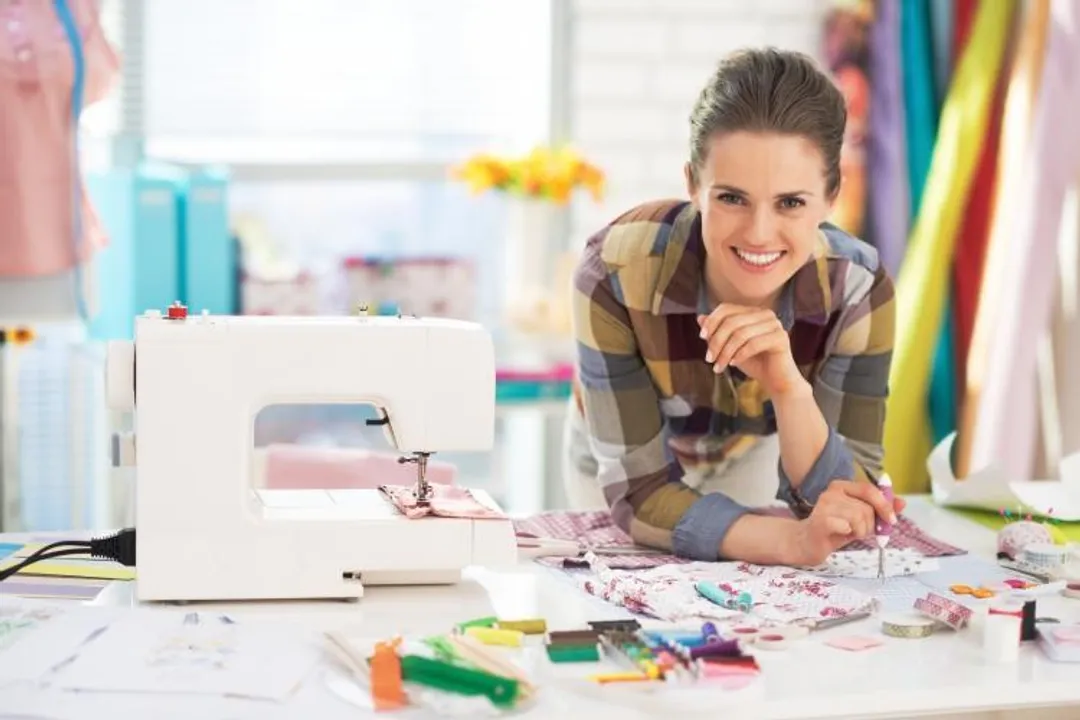
The positive effects extended well past the purely economic and time-saving aspects; they entered the realm of mental and physical health. Engaging in focused, repetitive, yet creative tasks is widely recognized as beneficial for mental clarity, and the sewing machine provided a modernized platform for this activity.
# Focus and Flow
The act of sewing, particularly when utilizing a machine for repetitive stitching, can induce a state similar to meditation. It requires concentration on the line of stitching and the movement of the fabric, allowing the mind to quiet distracting thoughts. This process is often described by modern enthusiasts as stress-reducing, offering a tangible break from screen time or demanding intellectual labor. The rhythmic sound and motion act as an anchor, promoting relaxation.
Furthermore, there is immense psychological satisfaction derived from completing a project. Finishing a quilt, tailoring a jacket, or simply repairing a favorite piece of clothing provides a sense of accomplishment that simple consumption cannot match. This feeling of making something tangible contributes positively to self-esteem. In challenging economic periods, the ability to produce necessities rather than merely acquire them provided a vital sense of security and personal capability.
# Shifting Social Roles
The introduction of the sewing machine created complex, dualistic effects on women's lives. While it certainly mechanized an activity traditionally assigned to women, it also opened new avenues for both paid labor and personal autonomy, even within restrictive social structures.
# New Work Avenues
In the industrial context, the machine allowed countless women to enter the formal workforce in factories, often for the first time, operating these new devices for wages. While factory work itself often involved harsh conditions and low pay, it represented an independent income stream outside the direct supervision of a male relative or the isolated confines of home piecework. This shift in productive capacity started to redefine the value placed on "women's work" by bringing it into the mechanized, measurable world of industry.
Conversely, the domestic sewing machine, by drastically cutting down time spent on necessary tasks, could inadvertently be viewed as a tool to control women’s productive energies by keeping them focused on home production rather than outside pursuits. However, the knowledge of machine operation became a portable skill. A woman skilled with a machine could offer tailoring services from home, building a small business that provided flexibility unavailable to factory workers. This combination of domestic efficiency and marketable skill provided a foundation for greater financial independence, even if that independence was initially modest.
# Precision and Durability
A less often discussed but critical positive effect is the dramatic improvement in the quality and longevity of textile goods. Hand-sewn seams, especially on heavier fabrics or when done under time pressure, were often inconsistent in tension and stitch length.
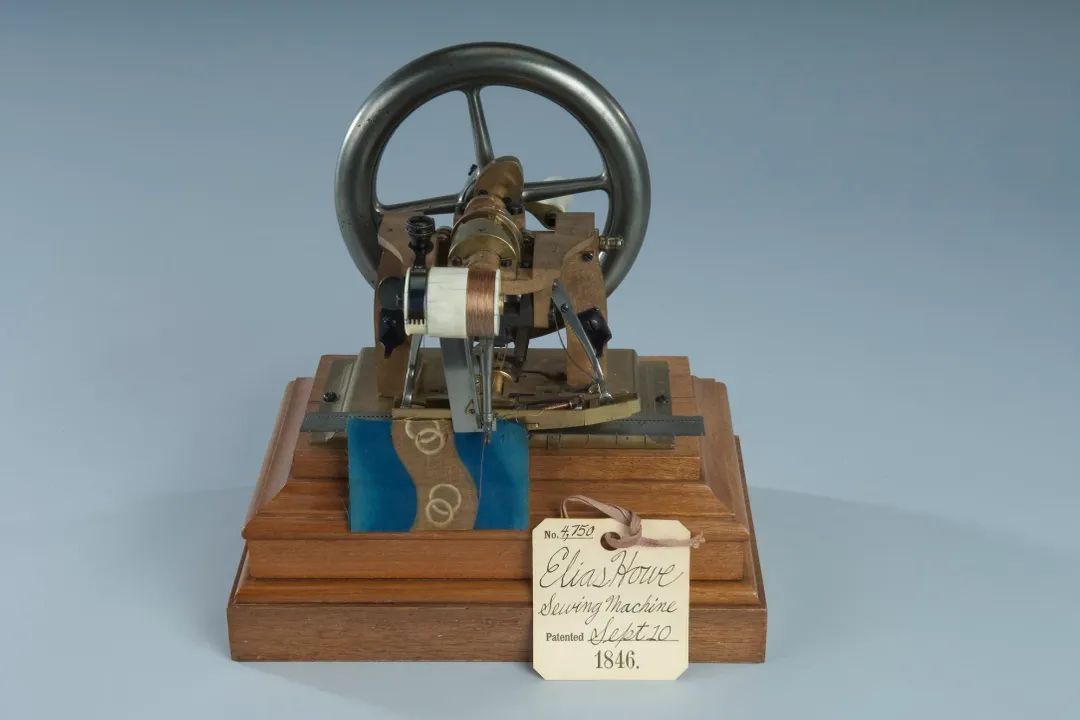
The mechanical sewing machine, designed by inventors like Elias Howe and Isaac Singer, standardized the lockstitch mechanism, creating seams that were incredibly strong and durable—often stronger than the fabric itself. This increased durability meant that clothing and household items lasted significantly longer, reducing the overall resource expenditure required to maintain a wardrobe or household textiles over decades.
We can see a clear parallel here to modern automation in manufacturing: by establishing a high, consistent standard, the machine raised the baseline expectation for all sewn goods. Even when people still sewed by hand for decoration or specific repairs, the durability benchmark set by the machine influenced expectations for machine-made items in the marketplace. A common anecdote shared among experienced sewists today is that a well-maintained vintage machine from the late 19th century often produces a stitch superior in strength to many modern, lower-end electronic models, a testament to the focus on mechanical integrity in those early designs.
# Future Proofing Skills
Even in an age dominated by fast fashion and mass production, owning and operating a sewing machine remains a highly positive skill set. Having a personal machine allows individuals to tailor fits perfectly, something mass-produced clothing rarely achieves without expensive alterations. Modern users cite the ability to customize clothing—adding pockets, changing hemlines, or embellishing existing items—as a major benefit, enabling personal expression in ways that off-the-rack shopping cannot.
When considering the resilience of a household, the sewing machine serves as an essential piece of emergency preparedness equipment. When supply chains falter or when specialty items are needed, the machine transforms the user from a passive consumer into an active producer. This capacity for self-sufficiency is perhaps the most enduring positive legacy of the invention, ensuring that the skill of joining fabric remains viable regardless of external economic conditions. It is an investment not just in equipment, but in perpetual capability.
Related Questions
#Citations
10 Reasons Why Everyone Should Have Their Own Sewing Machine
Sewing Revolution: The Machine That Changed America
Top Benefits of Commercial Sewing - Carolina CoverTech
6 Benefits of Sewing during Tough Times - Singer New Zealand
Health & Wellness Benefits of Sewing - Women's Choice Award
What the Invention of the Sewing Machine Tells Us About ...
Many A Good Woman: The Sewing Machine as a Tool for ... - NiCHE
Benefits of a “good” sewing machine? - Reddit
3 Killer Benefits of Industrial Sewing - Acme Mills