Who made the world's first photograph?
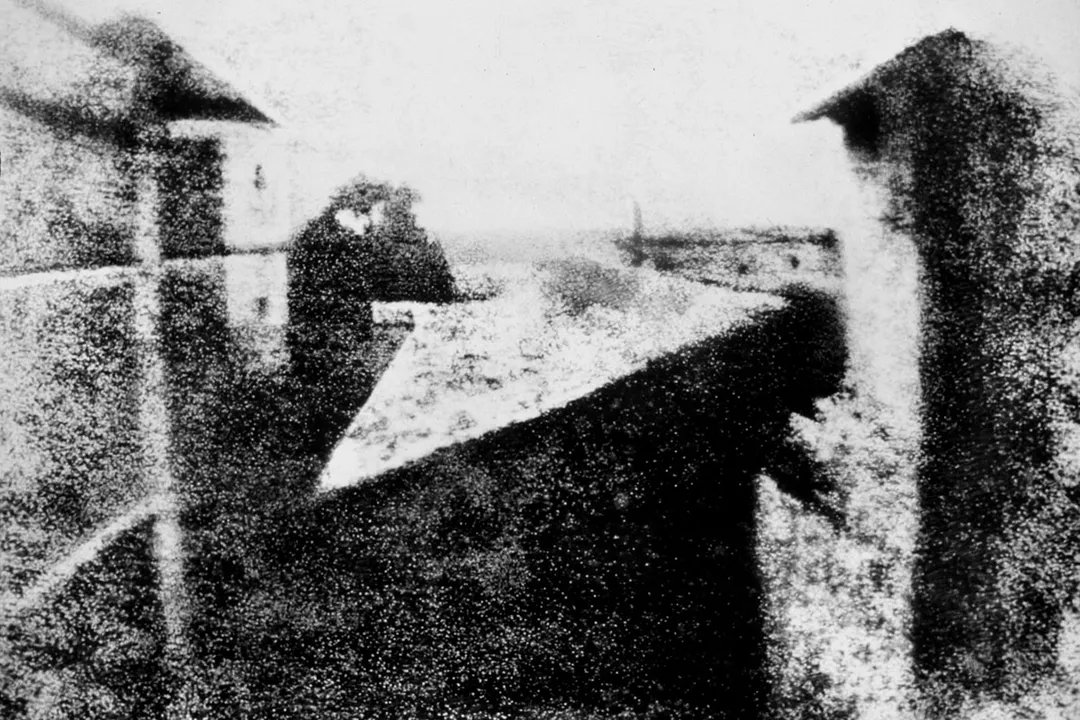
The earliest surviving photograph to capture a recognizable image was the creation of a French inventor named Joseph Nicéphore Niépce. [1][2][5][6] This groundbreaking image, known today as View from the Window at Le Gras, stands as the undisputed starting point for the medium we call photography. [1][2][5] It was captured sometime around 1826 or 1827 at Niépce’s country estate, Le Gras, located in Saint-Loup-de-Varennes, France. [1][2][6]
# The Inventor
Niépce was not simply tinkering; he was driven by a long-term ambition to fix an image permanently without requiring an artist to draw it by hand. [6] He had experimented for years with processes sensitive to light, initially focusing on methods for printing onto lithographic stones. [2] His primary goal was to devise a way to transfer images created by a camera obscura onto a surface in a manner that would not fade when exposed to more light. [2]
# Heliography Defined
The specific technique Niépce employed for this world-first photograph was called Heliography, which translates literally to "sun drawing". [1][2][5] This process relied on a light-sensitive material known as bitumen of Judea, which is a type of asphalt. [1][2][6] Niépce would dissolve this asphalt in lavender oil and coat a pewter plate with the resulting mixture. [1][2]
When the camera obscura projected the scene onto this coated plate, the bitumen reacted to the sunlight by hardening in the areas that received the most illumination. [2] After the lengthy exposure, the plate was washed with a solution of lavender oil and petroleum, which dissolved the soft, unexposed bitumen, leaving behind the hardened image—the positive result of the sun's action. [2] This distinction between hardening (Niépce) and darkening (later Daguerreotypes) is a subtle but important technical difference that marks the beginning of photographic history. [2]

# Image Description

The resulting image is simple yet profound: it is a view looking out from an upstairs window of the Niépce home. [1][2][6] The scene shows rooftops, surrounding buildings, and a pigeon coop in the courtyard below. [1][6] The image quality is rudimentary by modern standards; it appears hazy, largely lacking in distinct detail, and the result of a chemical rather than an optical triumph. [5]
What is perhaps most astonishing to consider is the duration of the light required to make this mark. While the exact time is debated, estimates place the exposure between a minimum of eight hours and possibly several days. [1][6] Thinking about the logistics of this exposure time offers a unique perspective on the achievement. If the exposure lasted for multiple days, the light hitting the scene would have changed dramatically. The left side of the buildings might have been illuminated during morning hours on day one, while the right side only received direct sun later on day two. This means the final image is less a snapshot of a single instant and more a cumulative record of light presence over a significant period, blending shadows and highlights from different times of day into one fixed picture. [1]
# Stability Concerns
Because the process relied on bitumen hardening, the final image was relatively permanent compared to earlier light experiments that faded quickly. [2] However, the process was slow and required careful chemical treatment afterward. [2] Niépce’s work in heliography, while historic, never reached the commercial viability that his later association with Louis Daguerre would bring to the art form. [6] Daguerre’s Daguerreotype process, which was announced publicly after Niépce’s death, dramatically reduced exposure times to minutes rather than days, opening the door for portraiture and more practical uses. [6]
# Rediscovery Value
For decades after its creation, the View from the Window at Le Gras was lost to history, its significance unknown. [1] It was not until 1952 that the photograph was rediscovered by a researcher investigating the materials left behind by Niépce. [1] This rediscovery confirmed Niépce's primacy in the field, establishing a clear, traceable origin point for the technology. [1][5]
The physical object itself carries enormous historical weight. It is not merely a picture; it is a unique artifact that bridges the gap between scientific optics (the camera obscura) and chemistry. [2] The physical plate, which measures approximately 6.5 by 8 inches (about 16.6 by 20.2 centimeters) is incredibly fragile due to its age and the nature of the materials used. [1]
# Current Location
Today, this original document of photography is housed at the Harry Ransom Humanities Research Center at the University of Texas at Austin. [1][2] Seeing the image, even in reproduction, reminds viewers of the sheer physical endurance required not only to capture the light but also to preserve the evidence across nearly two centuries. [5] One must also consider the practical stability needed during that multi-day exposure. Setting up a camera obscura outdoors and ensuring it remained perfectly still—unaffected by wind, ground settling, or accidental nudges—for the required duration speaks to an almost monastic level of commitment to the experiment. [6] This stability likely necessitated bolting the apparatus to a secure stone feature near the window, rather than relying on a simple tripod setup common in later photography. [1]
The creation of this image represents the successful combination of an optical tool—the camera obscura—with a chemical surface capable of recording the light permanently, a feat that had eluded thinkers and experimenters for centuries. [2] While Daguerre might have popularized photography, the fundamental breakthrough—making the light stay—belongs solely to Niépce and his eight-hour (or longer) view from the window at Le Gras. [1][6]
#Videos
THE FIRST PHOTOGRAPH - YouTube
Related Questions
#Citations
View from the Window at Le Gras - Wikipedia
The Niépce Heliograph - Harry Ransom Center
The First Photograph
What You Don't Know About the World's Oldest Photograph
THE FIRST PHOTOGRAPH - YouTube
First Photo Ever Taken: History of World's Photography
32 First Photos from the History of Photography | PetaPixel
When Was The Camera Invented? A Short History Of Photography ...
The oldest known photograph, 'View from the Window at Le Gras ...
When was the first photo ever taken? - EverPresent