Who invented the sewing machine woman?
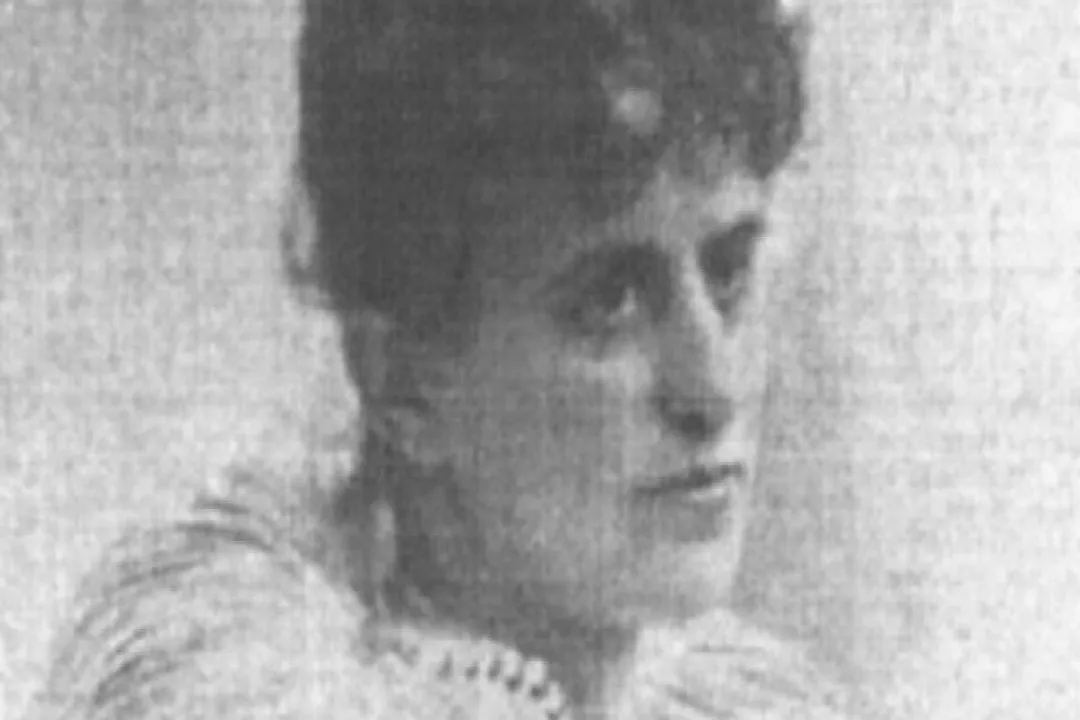
The story of the sewing machine involves many names, but when focusing specifically on the women who dramatically advanced the technology, one name stands out for her specialized, high-impact contribution: Helen Augusta Blanchard. While the initial concept of machine stitching predates her work by several decades, Blanchard secured a patent for an innovation that automated one of the most tedious and necessary finishing steps in garment construction, fundamentally changing the efficiency of the textile industry in the late 19th century. Her ingenuity lay not in reinventing the entire machine, but in perfecting a complex, integrated function that previous models required a skilled artisan to perform by hand.
# Life Span
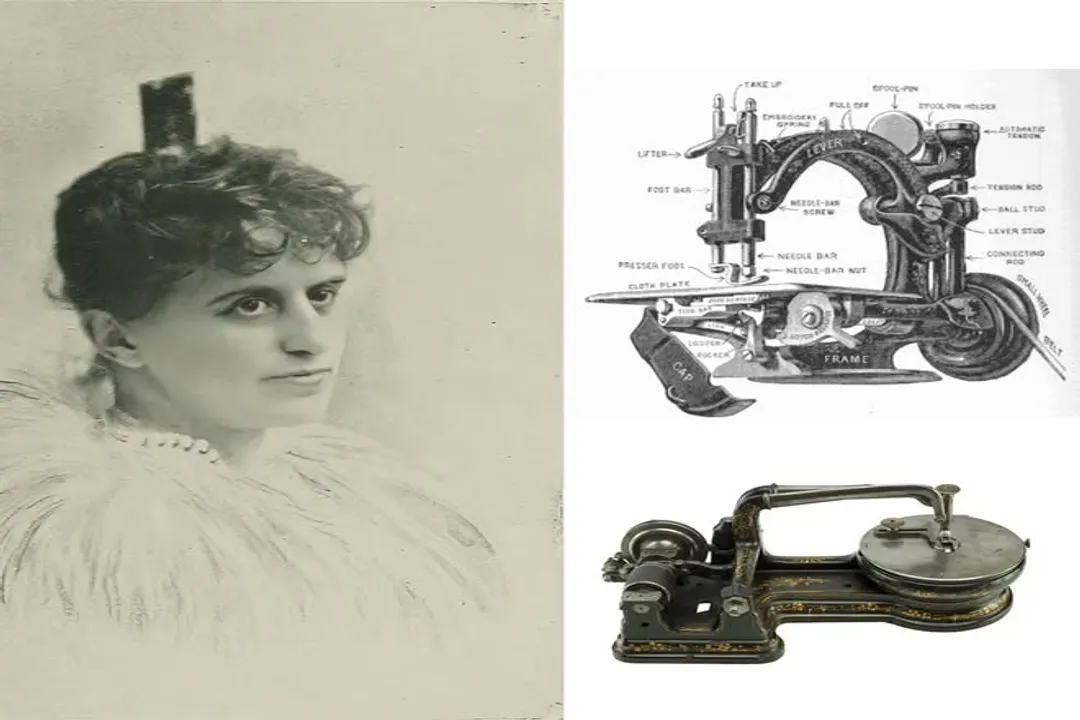
Helen Augusta Blanchard lived from 1840 to 1922. Born in the mid-19th century, she came of age as mechanical innovation was rapidly transforming daily life and industry. This timing placed her perfectly to observe the limitations of existing machinery and identify areas ripe for improvement, particularly within domestic and industrial sewing applications.
# Early Automation
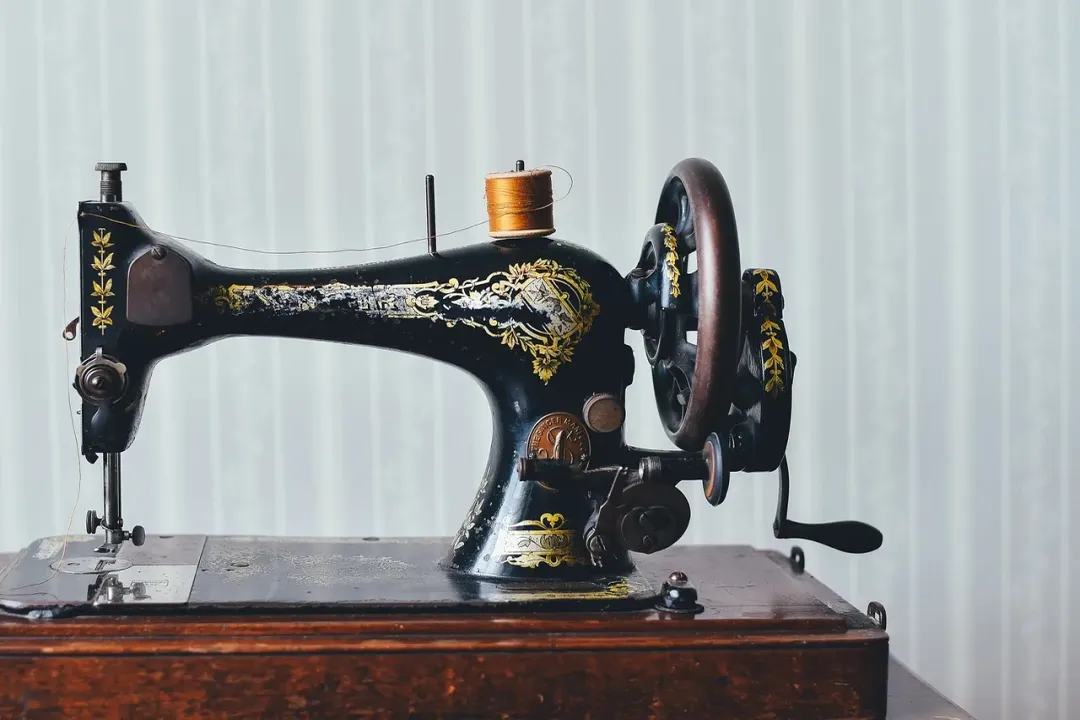
By the time Blanchard began her inventive work, the sewing machine itself was established, with patents held by figures like Elias Howe and Isaac Singer. These early machines were revolutionary because they could create a durable stitch much faster than hand sewing. However, the machine's capabilities were not limitless. Even with the machine running, certain high-precision tasks, such as creating a neat, reinforced buttonhole, still had to be executed manually by a trained operator. This manual step acted as a bottleneck, preventing true, end-to-end automation of garment production.

# Buttonhole Patent
Blanchard’s most famous contribution addressed this exact bottleneck. In 1873, she was granted a patent for a novel apparatus that allowed the sewing machine to automatically create a perfect buttonhole. The genius of her invention was its mechanical integration; it was designed to operate with the existing sewing machine structure to perform a complex sequence of stitching movements—cutting, zigzagging, and securing—all in one automatic process.
This invention was not a simple addition; it represented a significant engineering leap. The buttonhole requires precise, interlocking stitches to prevent fraying while maintaining the necessary opening for a button. To automate this task required an understanding of mechanics that went far beyond simple straight-line stitching. Her patent model, which she submitted to the U.S. Patent Office, is now part of the Smithsonian's National Museum of American History collection, serving as tangible evidence of this specific mechanical achievement.
# Inventive Output
Helen Blanchard was far more than a one-hit wonder in the realm of sewing technology. Records indicate she was a highly productive inventor, securing approximately 14 patents during her lifetime. While the buttonhole attachment remains her most recognized contribution due to its industrial impact and historical documentation, her broader portfolio suggests an inventor deeply engaged with refining mechanical processes.
It is interesting to consider that many of the patents secured by women inventors in the 19th century focused on domestic items—household gadgets, food preparation, and garment construction—reflecting the areas where they possessed the most direct, daily experience. Blanchard's success in mechanizing a highly skilled textile task puts her in a specific category of technical experts who transformed manual trades through focused mechanical application. Her ability to consistently generate patented improvements suggests a mind constantly looking for inefficiencies in established systems.
# Business Reality
Securing a patent is only the first step toward commercial success; the next often involves licensing the rights or manufacturing the device yourself, which frequently meant dealing with established industrial giants. While the sources do not detail every business transaction she made, it is understood that inventors like Blanchard often licensed their patents to major sewing machine manufacturers for a royalty stream. This approach allowed the major companies to enhance their product lines without having to fund the initial risky development phase, while allowing the inventor to gain income without the overhead of factory production. For an inventor operating in the late 1800s, navigating these corporate waters required business acumen as sharp as her mechanical skill. Her ability to secure and maintain these patents over time speaks to a level of persistence often required when dealing with large-scale manufacturing interests.
# A Shift in Innovation Focus
The historical narrative of invention often focuses on the initial breakthrough—the first functional device. However, true industrial maturity comes from specialization and refinement. Blanchard’s work exemplifies this second wave of innovation. Early machines made stitching possible; Blanchard’s machine made finishing scalable. This is a key distinction. Had the buttonhole process remained entirely manual, the mass production of affordable, ready-to-wear clothing would have been significantly hampered, regardless of how fast the main stitching mechanism ran. Her attachment essentially added a complex, automated subsystem to the primary invention, pushing the entire industry forward by removing a persistent, labor-intensive manual dependency.

# Official Acknowledgment
For her significant contributions to mechanical arts, Helen Blanchard has received lasting recognition. She was inducted into the National Inventors Hall of Fame. This formal acknowledgment places her alongside other creators whose innovations shaped modern life, validating the importance of her specific improvements to automated textile production. Receiving such an honor confirms that her 1873 buttonhole mechanism is recognized by engineering experts as a genuine advancement, not merely a minor tweak.
# The Value of Specificity
When seeking out the "woman who invented the sewing machine," it is vital to understand the context of achievement. Very few inventors, male or female, invented the entire concept of the mechanical sewing machine. Success in the field often came from designing an essential part or process that made the whole system commercially viable or significantly faster. Consider the sheer complexity: The earliest functional machines needed precise needle bars, oscillating hooks, and tension systems. Blanchard took that established platform and added the ability to precisely form a specific feature—the buttonhole—which is arguably as complex mechanically as the basic stitch itself. This focus on a highly refined, single function is a testament to targeted engineering skill, often requiring more intimate familiarity with the actual application than broad, sweeping primary patents. A practical way to view her legacy is to imagine a 19th-century garment factory floor: the main machines stitch the body of the shirt, but the finishing stations—the ones dealing with buttonholes—were immediately sped up by her design, meaning faster throughput across the entire production line. This specialization created immediate, measurable economic value.
# Enduring Legacy
Helen Blanchard's life work demonstrates that innovation is often iterative and collaborative, even if specific credit goes to one individual for a key patent. Her 1873 patent for the buttonhole mechanism remains a cornerstone example of how applying mechanical thinking to a difficult, manual step can unlock greater efficiency for an entire sector. Her legacy is sewn into the very fabric of modern garment manufacturing, proving that women were active, critical participants in the mechanical revolution of the industrial age, driving improvements that moved technology from functional novelty to essential industry tool.
Related Questions
#Citations
Helen Blanchard
Helen Blanchard - National Inventors Hall of Fame®
Helen Augusta Blanchard: She Sewed the Future
Helen Blanchard (1840-1922) was not only a highly ...
H is for Helen Augusta Blanchard
Helen A. Blanchard's Sewing machine Patent Model ...
Helen Augusta Blanchard
BLANCHARD, Miss Helen Augusta - MaryKate McMaster
Helen Blanchard - Lemelson-MIT Program