What fluid do modern CGMs primarily measure glucose levels from instead of directly in the blood?
Answer
Interstitial fluid
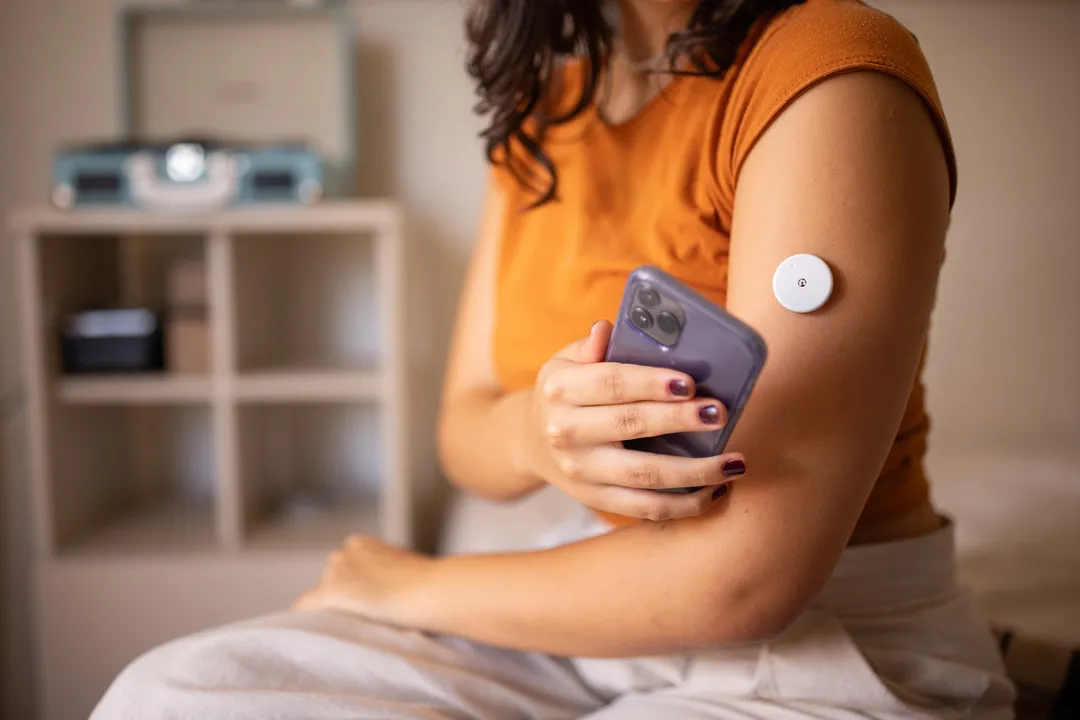
Modern Continuous Glucose Monitoring systems are fundamentally designed to measure glucose concentrations within the interstitial fluid, which is the fluid located just beneath the skin tissue. This approach was necessary because directly sampling blood continuously proved technologically difficult for long-term wearable devices. The development relied heavily on creating highly specific biosensors capable of accurately detecting glucose within this interstitial environment, often utilizing enzymes like glucose oxidase to generate a measurable electrical signal proportional to the glucose concentration present in that localized fluid layer.
Related Questions
What fluid do modern CGMs primarily measure glucose levels from instead of directly in the blood?Which system received initial FDA approval in 1999 for continuous glucose monitoring?What was the inherent limitation of traditional fingerstick testing methods before reliable CGMs?Which institution focused on developing sophisticated, miniature sensor arrays aimed at improving accuracy and wear time?What specific physical interface improvement was research from the Technion in Israel focused on developing?What engineering progress was necessary to transition early continuous monitors into discreet, modern wearable devices?What change was crucial for CGMs to shift from prescription-only use toward over-the-counter (OTC) availability?What new challenge arose from the continuous nature of the data stream requiring sophisticated development?During which initial stabilization period were early CGM readings often unreliable or requiring external confirmation?What key component of early CGM development relied on an enzyme such as glucose oxidase?