Who invented wearable glucose monitors?
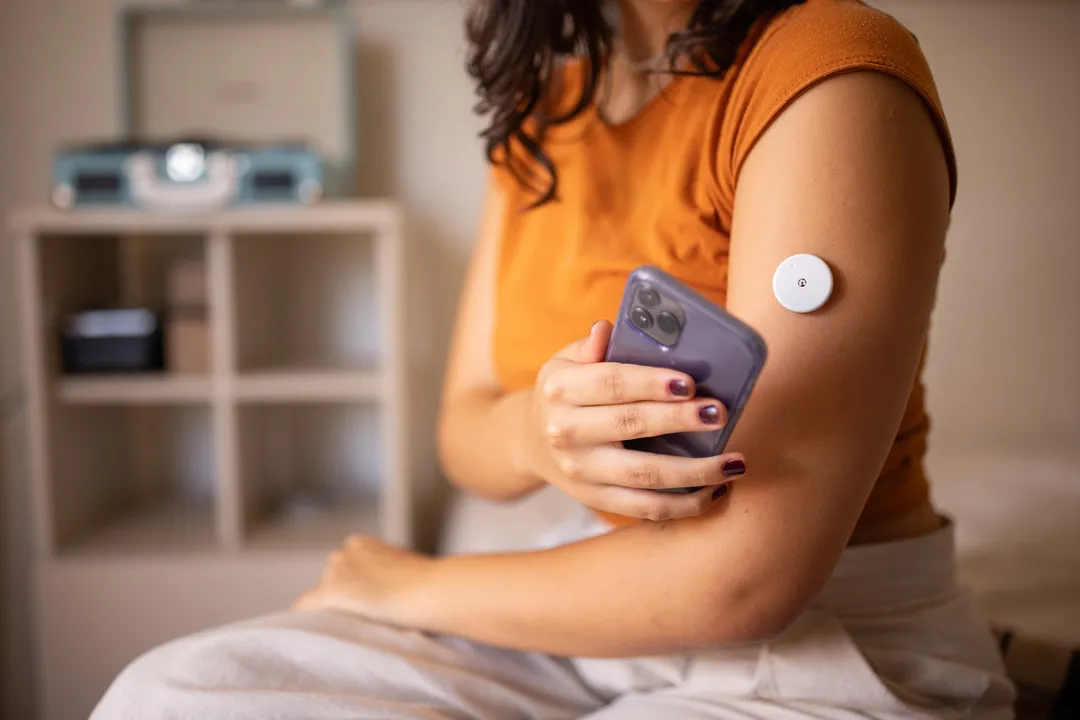
The concept of monitoring blood glucose levels continuously, rather than just at single points in time, represents one of the most profound shifts in diabetes management over the last half-century. While the idea of measuring sugar in the body has roots stretching back much further, the realization of a truly wearable and continuous glucose monitor (CGM) involved a gradual accumulation of scientific breakthroughs and engineering efforts across multiple decades and institutions. It is less a story of a single inventor and more an account of collaborative innovation that moved from laboratory prototypes to a daily reality for millions. [2][5]
# Early Needs
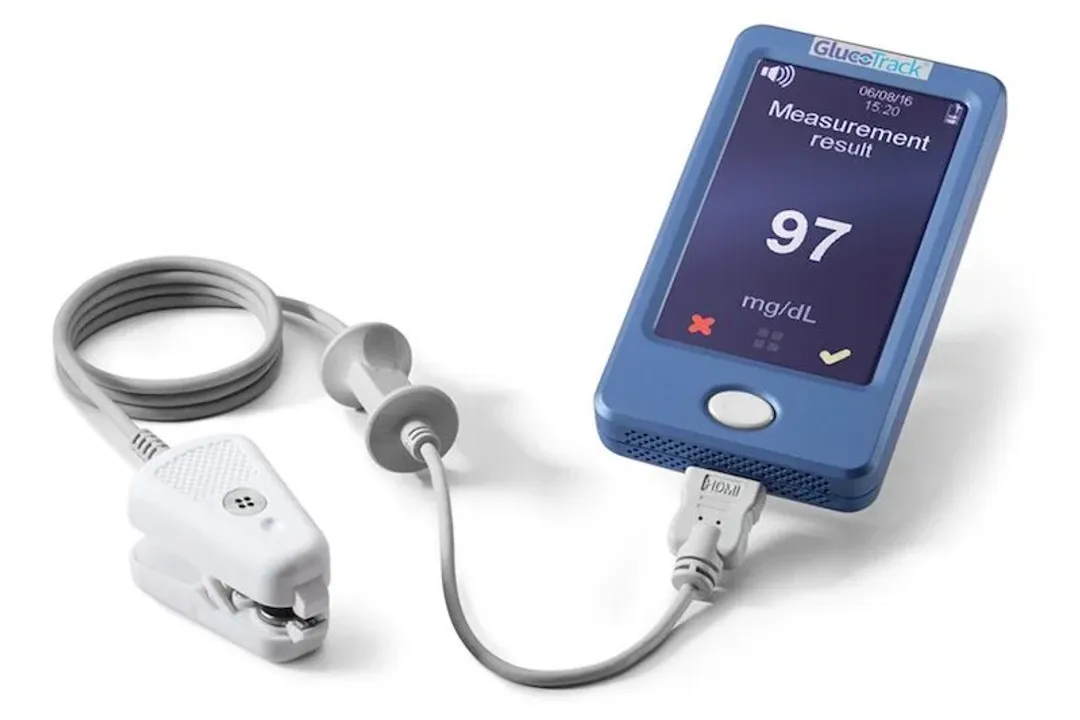
Before the advent of reliable wearable technology, managing diabetes was a process largely dictated by guesswork between scheduled fingerstick tests. [4] Traditional methods required drawing blood from a finger, applying it to a strip, and waiting for a result—a snapshot in time that provided no context for preceding or subsequent trends. [4] For those reliant on insulin, this reactive approach was inherently limited and could lead to dangerous highs or lows that went undetected between measurements. [1][5] The inherent limitation was the lack of real-time data, a gap that continuous monitoring was specifically designed to fill. [1][5]
# Foundational Science
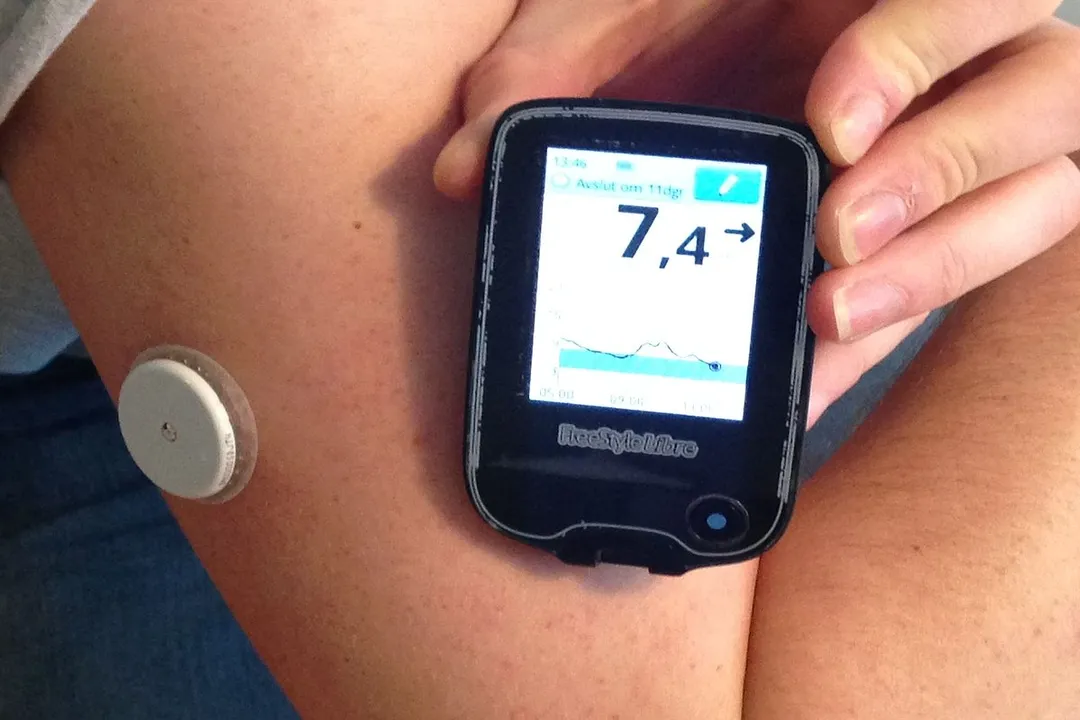
The scientific bedrock for modern CGMs lies in understanding how to accurately measure glucose in the interstitial fluid—the fluid just beneath the skin—rather than directly in the blood. [2] This required developing highly specific biosensors. A major hurdle overcome early in the development process involved creating an electrochemical sensor that could reliably detect glucose levels using an enzyme, often glucose oxidase. [6]
The challenge was translating this principle into a device that was small, stable, and capable of functioning within the body for extended periods. [6] Early efforts focused on developing systems where the sensor reacted with glucose to produce an electrical signal proportional to the concentration. [1] Finding the right materials and encapsulation techniques that allowed glucose to penetrate while keeping out interfering substances was key to developing a practical system. [6]
# First Systems
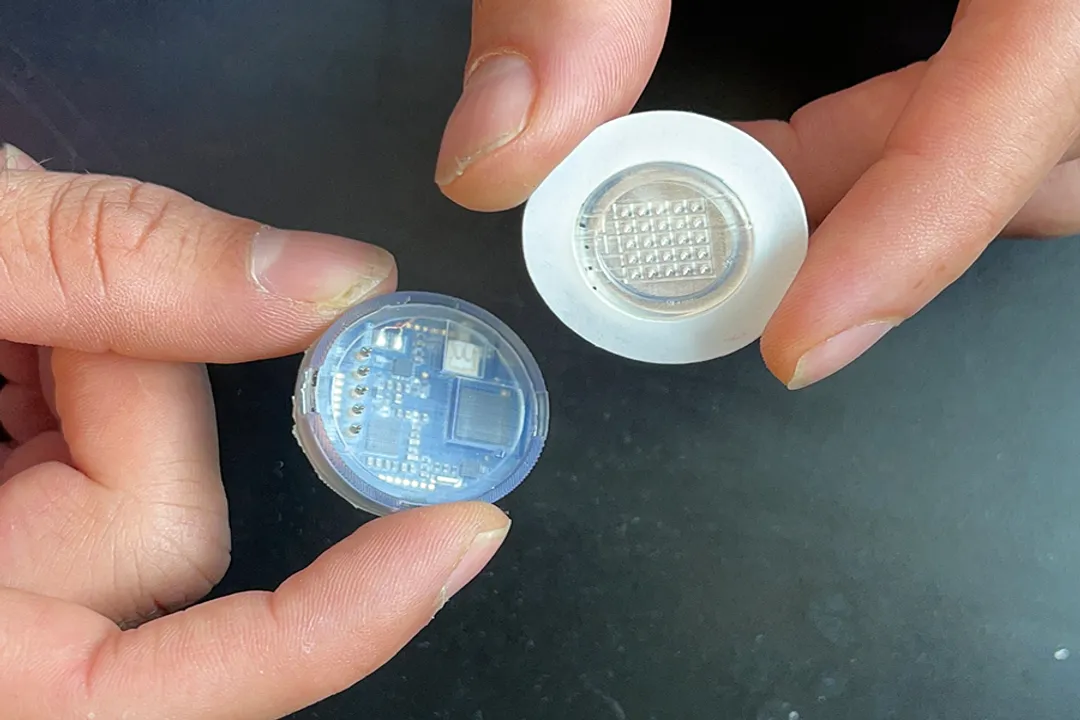
Pinpointing the exact "first" wearable CGM is complicated because the technology evolved through several distinct generations of prototypes and commercial products. [2] However, the groundwork for the first widely recognized continuous glucose monitoring systems was laid in the late 1990s and early 2000s. [2]
One significant early contributor was the development of the Medisense Continuous Glucose Monitoring System, which received initial FDA approval in 1999. [2] While this device marked a critical regulatory step for continuous monitoring, it often required frequent calibration using traditional fingerstick blood glucose meters, highlighting the transitional nature of the early technology. [2] These initial systems involved an inserted sensor filament, which communicated wirelessly with a separate receiver worn by the user. [2]
At the same time, research was progressing independently on several fronts. For instance, academic institutions were deep in the process of engineering reliable, long-lasting sensors. [5] The work done at institutions like the University of California San Diego (UCSD) Jacob School of Engineering, for example, involved developing sophisticated, miniature sensor arrays aimed at improving accuracy and wear time, pushing the boundaries of what was technically feasible for implantation. [9] This academic and industry push was about perfecting the accuracy and longevity required for a device to be truly useful outside a controlled lab setting. [9]
# Engineering Miniaturization
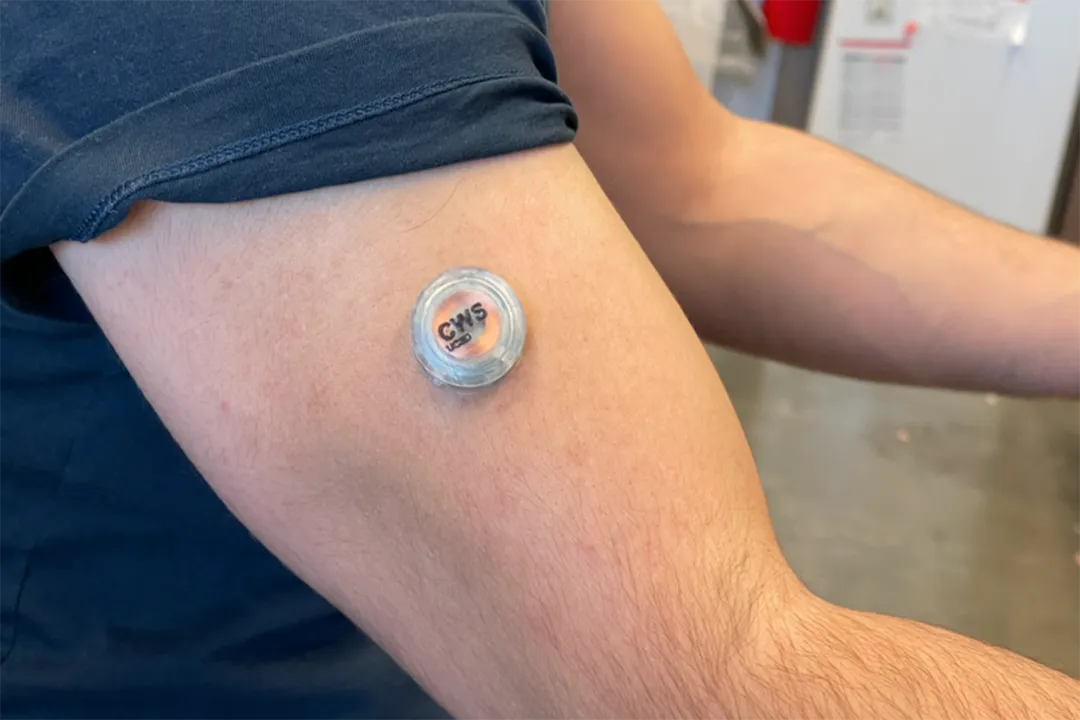
The transition from a bulky prototype to a discreet, wearable device necessitated significant engineering progress focused on miniaturization and wireless transmission. [5] Early devices, while continuous, were often less convenient than modern iterations. [2]
The evolution often involved integrating the sensor, transmitter, and sometimes even the power source into a single, small unit worn on the body—the modern form factor we recognize today. [2] This required designing transmitters that were small enough not to impede daily activities but powerful enough to send data accurately to a reader or smartphone. [3]
Interestingly, the concept of a fully integrated, minimally invasive system has seen innovation from international research bodies as well. For example, research emerging from the Technion in Israel has focused specifically on developing painless breakthroughs, suggesting that the physical interface—how the sensor enters the skin—was recognized early on as a major barrier to widespread adoption. [10] This focus on minimizing patient discomfort is a crucial, non-electrical aspect of the invention process that often gets overlooked when discussing only the sensor chemistry. [10]

# The Rise of Over-the-Counter Access
A major evolutionary marker in the history of wearable glucose monitors was the shift from prescription-only medical devices to freely available, over-the-counter (OTC) products. [7] For many years, CGMs were primarily marketed to insulin-dependent individuals who required frequent, intensive data feedback to manage their therapy safely. [1][4]
The first major step toward OTC status involved manufacturers proving to regulatory bodies that their devices could provide accurate readings without the user needing to perform frequent fingerstick calibrations. [7] This required a higher degree of factory calibration and inherent sensor stability. [4] The introduction of factory-calibrated systems, like certain models that received FDA clearance for direct-to-consumer use, fundamentally changed the landscape. [7] This change meant that individuals managing diabetes through diet and non-insulin medications, or even those simply interested in metabolic health, could access continuous data for the first time without intensive medical oversight. [4][7]
When considering the leap to OTC availability, it is valuable to note the shift in user expectation. Early adopters were often highly engaged patients who tolerated the calibration requirement because the data benefit outweighed the hassle. [5] Modern OTC users, however, often expect an 'out-of-the-box' experience akin to a smartwatch. [7] This difference highlights an important analytical point: the invention of the core sensor technology (the expertise part) and the invention of a user-friendly, low-maintenance product (the experience part) are two distinct, yet equally crucial, developmental paths. [2][9] A device that only works in a clinical setting, no matter how scientifically sound, cannot claim to have completed the wearable evolution.
# Comparing Monitoring Types
To understand the significance of the wearable monitor, it helps to place it in context with its predecessors and contemporaries.
| Monitoring Type | Data Frequency | Primary Use Case | Calibration Requirement (Historical) | Key Inventor/Development Era |
|---|---|---|---|---|
| Blood Glucose Meter (BGM) | Single point-in-time | Routine checks, pre/post-meal, acute triage | None (direct measure) | Ongoing since the 1970s [1] |
| First Generation CGM | Frequent (minutes) | Intensive insulin management | Frequent fingerstick calibration | Late 1990s / Early 2000s [2] |
| Modern OTC CGM | Continuous | Lifestyle/Health tracking, simplified diabetes management | Minimal to none (Factory Calibrated) | Post-2010s [4][7] |
The data clearly illustrates that the CGM’s invention was aimed at solving the frequency and trend gap. [1][5] While the initial devices provided numbers every few minutes, the real value lay in seeing the rate of change—whether glucose was climbing rapidly or slowly dropping—something a BGM could never show. [1]

# Data Interpretation and User Experience
The continuous nature of the data stream created a new challenge: interpretation. [3] The early inventors and developers had to create algorithms sophisticated enough to turn raw sensor current into clinically meaningful numbers, and they also had to provide visual feedback to the user that was easily understood. [3]
This is where ongoing technical refinement becomes important. Early sensor performance could be affected by factors like pressure or temperature, requiring users to understand the limitations. [6] For someone new to these devices today, one helpful point to grasp is the difference between the initial "warm-up" period and the steady-state readings. Early CGMs required the sensor to equilibrate with the body's interstitial fluid, often needing two hours of warm-up time during which the readings were unreliable or required external confirmation. [2] Understanding this initial stabilization period is vital, as even the most advanced modern sensors need a brief warm-up phase before they can begin reporting data with high confidence, even if that period is significantly shorter now than it was two decades ago. [7]
The movement toward true independence from fingersticks is a defining characteristic of the most advanced wearable glucose monitors. When a physician or pharmacist discusses a new CGM, they are often assessing not just the sensor technology but the software that communicates the result and alerts the user. This integration of hardware, chemistry, and software represents the culmination of the invention process, moving it from a purely scientific tool to a practical piece of personal health technology. [3]
# The Ongoing Evolution
The story of the wearable glucose monitor's invention does not have a final chapter. The field continues to advance rapidly. Current research is actively exploring non-invasive methods—devices that could measure glucose through the skin without any penetration at all—though these face immense technical hurdles related to accuracy and signal interference. [10] Other work focuses on integrating these monitors with automated insulin delivery systems, creating truly closed-loop artificial pancreas systems. [5]
Furthermore, the development is expanding beyond simple glucose readings. Newer devices are incorporating multiple biomarkers or attempting to use novel placement sites, aiming for even greater comfort and utility. [3] The initial inventors sought to solve the crisis of unpredictable blood sugar; today's innovators are focused on making the monitoring invisible and proactive, ensuring that the data gathered supports not just survival but optimal metabolic health across a broader population. [4] The journey from bulky lab equipment to the sleek, small sensors worn today is a testament to sustained effort in bioengineering and medical device design. [9]
Related Questions
#Citations
Introduction: History of Glucose Monitoring - NCBI - NIH
Continuous glucose monitor - Wikipedia
The History, Evolution and Future of Continuous Glucose Monitoring ...
Diabetes Game-Changer - Mount Sinai Medical Center
Continuous glucose monitoring devices: A brief presentation (Review)
A history of continuous glucose monitors (CGMs) in self-monitoring ...
The First Over-the-Counter Continuous Glucose Monitor: Is It Right ...
Needle-free diabetes care: 7 devices that painlessly monitor blood ...
Multi-tasking wearable continuously monitors glucose, alcohol, and ...
Painless Breakthrough in Diabetes Care A smart, wearable tech ...