What change was crucial for CGMs to shift from prescription-only use toward over-the-counter (OTC) availability?
Answer
Proving accuracy without the user needing to perform frequent fingerstick calibrations.
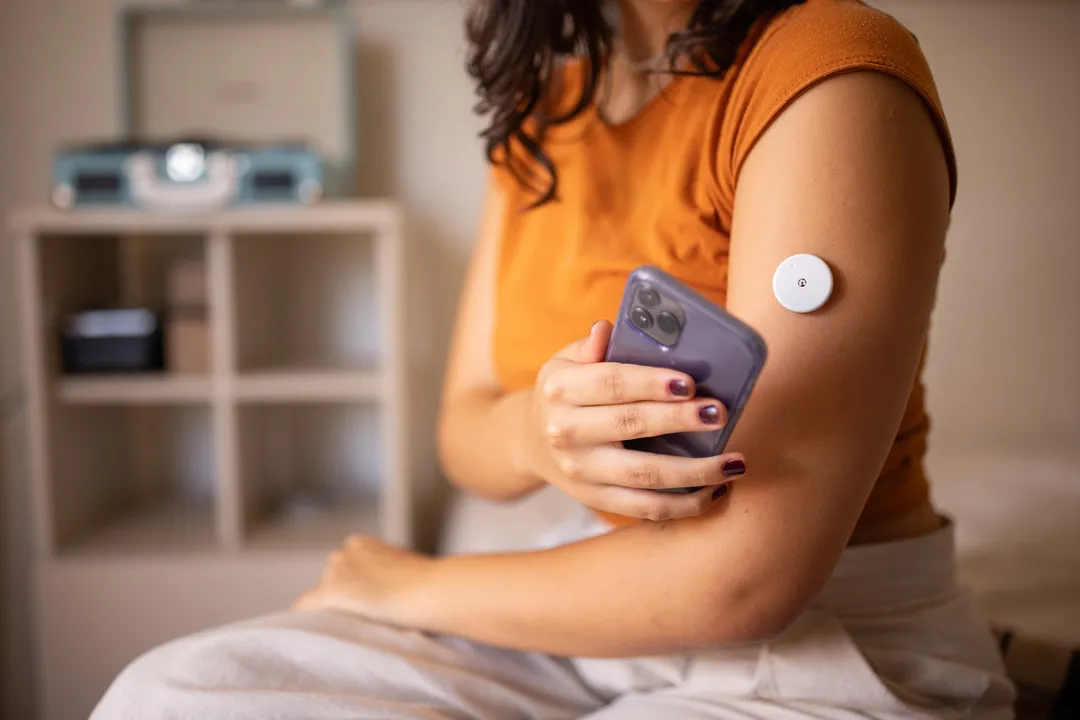
A major evolutionary step toward over-the-counter access involved manufacturers successfully demonstrating to regulatory bodies that their CGM devices could maintain accuracy consistently without relying on frequent calibration checks using fingerstick blood glucose meters. This requirement necessitated a higher intrinsic sensor stability built into the hardware and superior factory calibration procedures performed during manufacturing. Once this stability was achieved, devices could receive FDA clearance for direct-to-consumer use, opening continuous data access to a wider population not solely dependent on intensive insulin management.
Related Questions
What fluid do modern CGMs primarily measure glucose levels from instead of directly in the blood?Which system received initial FDA approval in 1999 for continuous glucose monitoring?What was the inherent limitation of traditional fingerstick testing methods before reliable CGMs?Which institution focused on developing sophisticated, miniature sensor arrays aimed at improving accuracy and wear time?What specific physical interface improvement was research from the Technion in Israel focused on developing?What engineering progress was necessary to transition early continuous monitors into discreet, modern wearable devices?What change was crucial for CGMs to shift from prescription-only use toward over-the-counter (OTC) availability?What new challenge arose from the continuous nature of the data stream requiring sophisticated development?During which initial stabilization period were early CGM readings often unreliable or requiring external confirmation?What key component of early CGM development relied on an enzyme such as glucose oxidase?