Who invented smart lockers for medicine?
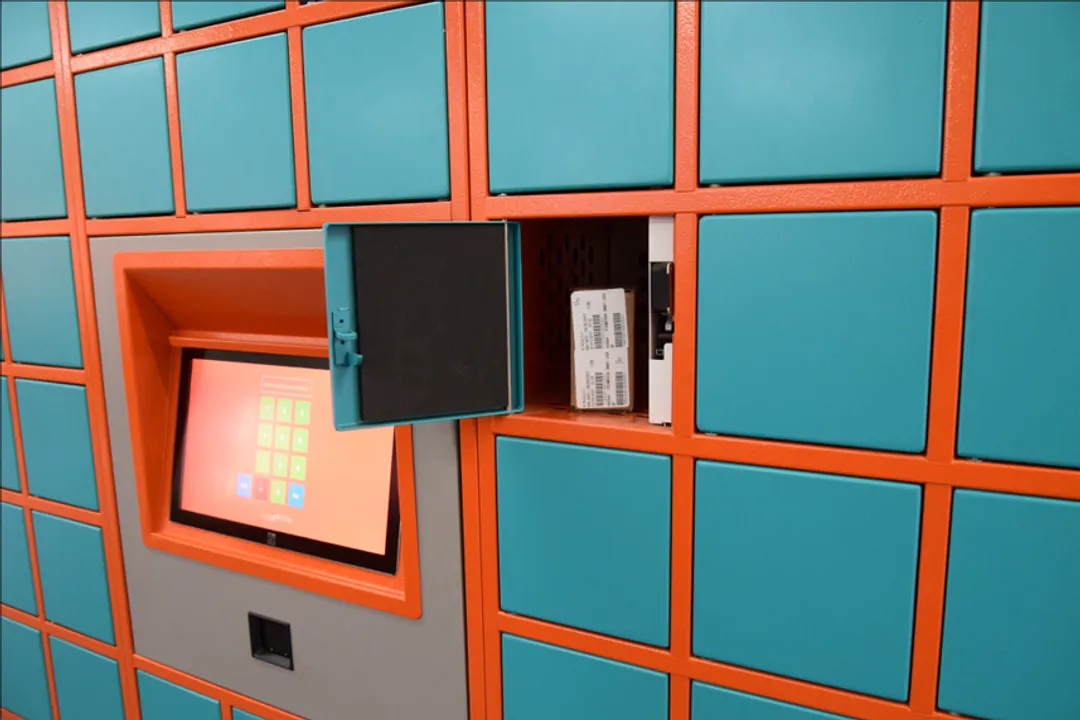
The development of automated systems to handle medication retrieval marks a significant evolution in managing long-term healthcare, moving access out of crowded clinical environments and into more convenient settings. Pinpointing a single inventor for all smart lockers for medicine is complicated, as the concept of automated dispensing has evolved across various sectors. However, for the specific innovation designed to combat long queues and adherence issues for chronic medication in a public health setting, one name stands out prominently in recent African innovation circles: Neo Hutiri.
Hutiri, an engineer based in South Africa, is credited with inventing the Pelebox Smart Locker system. This technology was created not in a lab, but out of personal necessity. In 2014, after being diagnosed with tuberculosis, Hutiri found himself subjected to grueling waiting times at the clinic to collect his monthly medication, often spending approximately three and a half hours in line. He observed that many fellow patients were forced to miss work simply to manage this necessary step in their treatment plan. This firsthand experience with inefficiency in last-mile medication access was the direct catalyst for his invention, which aimed to drastically cut down that retrieval time.
# Technology Blueprint

The Pelebox system is described as a digital dispenser loaded with routine medicines intended for patients managing severe or chronic conditions such as HIV, diabetes, and tuberculosis. The core promise of this hardware lies in its speed: it dispenses the required medicine in roughly 36 seconds. This dramatic reduction in time allows patients to bypass the need to stand in lengthy queues at the pharmacy or clinic counter, which in turn frees up hospital staff and resources for other critical tasks.
Operationally, the Pelebox leverages a simple, secure digital key. Patients due for a prescription refill receive a one-time personal identification number (PIN) sent directly to their mobile phones. This unique PIN is the patient's authorization to unlock the specific locker compartment containing their medicine. Furthermore, to ensure the viability of the drugs, the lockers are designed to operate under controlled temperatures. These units are scalable, reportedly capable of serving between 70 to 300 patients depending on the configuration. The system is operated by Technovera (Pty) Ltd, the company founded by Hutiri.
# Innovation Recognition
The ingenuity of the Pelebox solution did not go unnoticed in the wider engineering community. The system gained significant traction and recognition, being highlighted as a development from South Africa and featuring in innovation awards, such as the Africa Prize for Engineering Innovation in 2019. Such recognition underscores the global relevance of locally developed solutions to persistent healthcare challenges in resource-constrained settings. The technology is seen as a way to support the objectives of universal health coverage by improving efficiency in medicine access at the final delivery point.
The development of smart lockers in this context is often viewed as a direct response to the increasing burden of chronic diseases, which require continuous medical care and regular refills. Traditional dispensing methods in many areas mean patients must make regular trips to facilities, leading to congestion and patient frustration.
A fascinating way to frame the efficiency gain from Hutiri's invention is through the lens of time recovery. If a patient replaces an average three-and-a-half-hour wait with a 36-second PIN entry, they reclaim over three hours per collection. For a patient requiring monthly refills, this translates to nearly 42 hours annually—almost a full work week—that is returned to them for employment, family care, or rest, representing a significant, though often unquantified, economic and social benefit.
# Parallel Implementations
While Neo Hutiri and Pelebox represent a major development in this field, the need for decentralized, efficient medication collection has spurred other similar innovations, suggesting a broader trend rather than a singular genesis point for the idea of automated medical dispensing. In South Africa, for instance, Right ePharmacy, the innovation arm of the NGO Right to Care, developed its own system called Collect & Go. This system also uses smart lockers to safely store medication until the patient is ready to collect it using a one-time PIN sent via mobile phone. Collect & Go has been successfully implemented to support patients on antiretroviral treatment, among others dealing with conditions like diabetes and hypertension. This parallel development highlights a shared understanding among innovators regarding the barriers faced by patients, such as queue anxiety and the stigma associated with collecting certain medications in person.
# Contextualizing Adoption
The success of any dispensing technology is ultimately determined by patient and provider acceptance, especially when dealing with chronic diseases that demand high adherence rates. Research conducted in Nigeria, while studying preferences there, offers valuable context on the implementation of smart lockers, even if it doesn't name the inventor of the Nigerian system. This study found a strong general preference for smart locker use among both healthcare workers and patients.
The desired features for deployment revealed several common threads that echo the design principles of systems like Pelebox:
- Location Security: Both groups in the Nigerian study favored placing lockers at a Hospital or Clinic location, suggesting that while convenience is key, security and proximity to established medical infrastructure are paramount concerns, likely to mitigate risks of theft or stigma associated with less conventional public spots.
- Notification Preference: The primary preferred method for notifying a patient that their medicine is ready was a phone call, slightly edging out text messages, which may reflect varying levels of smartphone ownership or reliable data access in certain populations.
- Training Criticality: A key finding noted that the most effective way to orient patients on using the new technology was one-on-one counselling by a Healthcare Provider, preferred by over 50% of both groups.
This emphasis on training reveals a crucial, non-hardware aspect of invention: the transfer of knowledge. An inventor can design the perfect machine, but if the patient support structure (the training and education component) is insufficient, adoption stalls.
Considering the data from Nigeria, one actionable insight for any organization rolling out medical smart lockers is to budget not just for hardware installation and mobile connectivity, but specifically for dedicated counseling time. If 58.1% of patients prefer one-on-one orientation, dedicating just an extra 10 minutes per new user in a supportive, in-person setting could be the decisive factor between long-term adherence and system abandonment, even if the technology itself is simple.
Furthermore, the Nigerian study suggested that the population most likely to benefit first were HIV patients aged 18–40, aligning with the primary focus of the Pelebox system. This demographic often requires consistent, discreet collection, making the privacy and speed offered by these automated cabinets highly attractive. The acceptance of decentralized care models for HIV and Tuberculosis management in Nigeria suggests a cultural predisposition to adopting new, community-based delivery methods compared to other chronic conditions.
While Neo Hutiri's journey with Pelebox appears to be the most clearly documented origin story for a public-sector medical smart locker invention, the evolution of this technology reflects a global response to chronic disease management challenges. It is less about a single eureka moment for the generic concept and more about targeted engineering solutions, like Pelebox and Collect & Go, addressing critical pain points in specific healthcare systems. The inventor, in this case, was someone who experienced the problem firsthand and engineered a high-speed, dignified retrieval method that changed the wait from hours to seconds.
Related Questions
#Citations
Smart Locker for medicine | BluePatent
Patients and healthcare workers' preferences for using smart lockers ...
Pelebox - Technology Innovation Agency
Innovative smart lockers help a young patient stay on treatment
Four Unique Smart Locker Use Cases for 2022 - Smiota