Who invented indexed shifting?
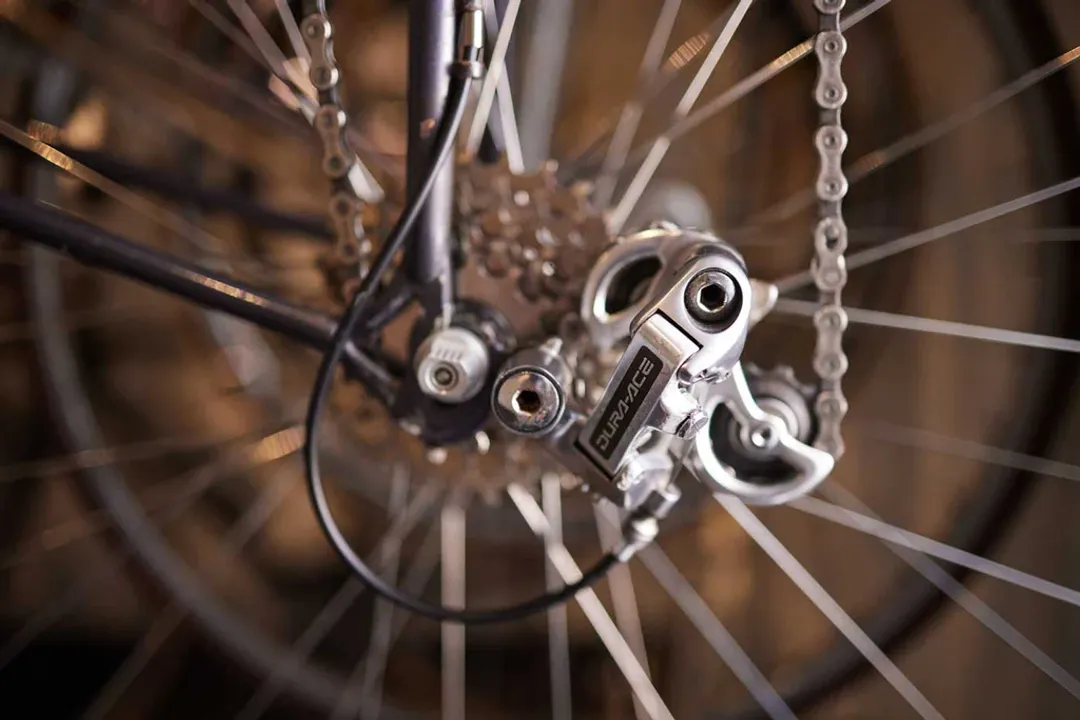
The simple, satisfying click of a modern bicycle shifter is something most riders take for granted, a testament to engineering precision that puts the right gear exactly where it should be, every single time. This concept, known as indexed shifting, is the defining feature of modern drivetrains, moving the technology far past the vague, hand-wrestling adjustments of earlier systems. The history of who actually brought this "click" to the masses is less a straight line and more a tangle of parallel innovations, but the journey away from purely mechanical friction is clear.
Before indexing became the industry standard, shifting mechanisms relied on friction. The derailleur itself, a device that pushes the chain from one cog to another, has a long history, with various inventors developing the core concept throughout the early 20th century and before. In friction shifting, the position of the derailleur was determined entirely by how tightly the rider held the control cable against a lever or a rotating knob. If the rider wanted to move one cog over, they pulled the cable a specific distance, and that distance was maintained only as long as the cable tension held perfectly—which it rarely did due to cable stretch, housing compression, or contamination. This meant constant, small tweaks to the shifter to keep the chain running quietly and efficiently, a process that demanded significant rider experience and patience.
# Friction Predecessors
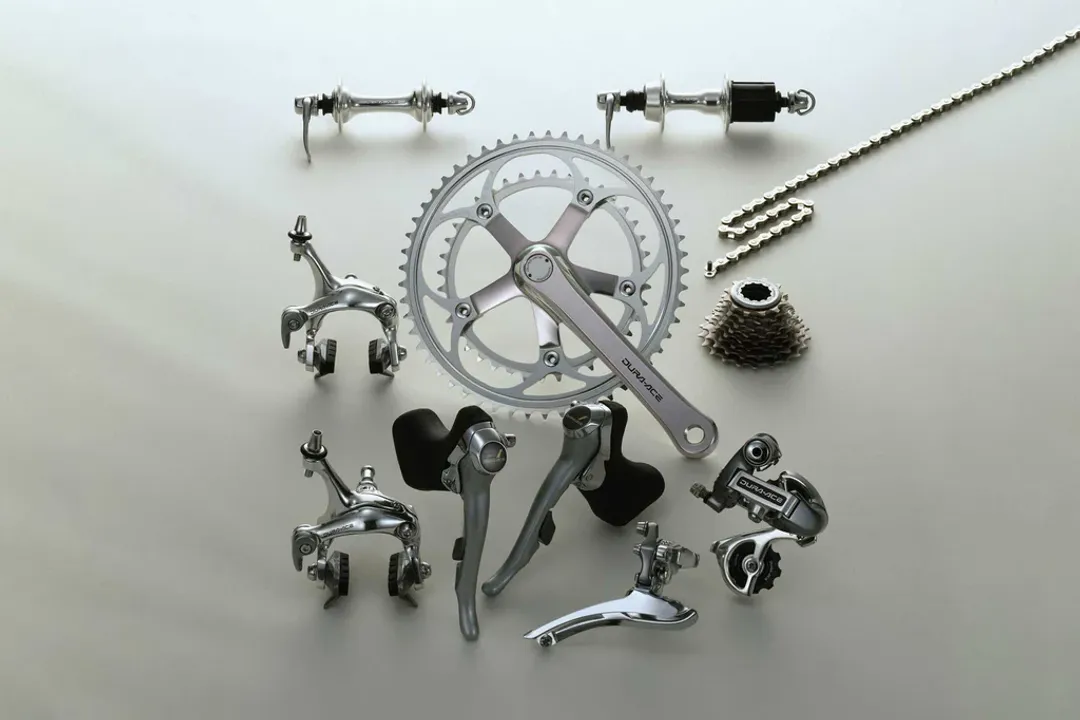
The derailleur system itself evolved significantly. Early devices were often operated by a lever mounted near the rear hub or on the top tube of the frame. The key limitation was not moving the chain, but holding the chain precisely in place once it reached the desired sprocket. Early derailleur designs, like those seen in the early to mid-1900s, simply did not possess the mechanical assurance to hold a specific position without constant manual tensioning. Some inventors tried to integrate stops or ratchets into the mechanism, but a truly reliable, consistent system across multiple gears remained elusive until the advent of true indexing.
The componentry that allowed for gear changes was a major focus for manufacturers. For instance, the history of bicycle tools itself is intertwined with the need to maintain these increasingly complex systems, requiring specialized knowledge just to keep the bikes operational. This complexity hinted at the need for a simpler rider interface, which indexing would eventually provide.
# The Indexed Concept Emerges
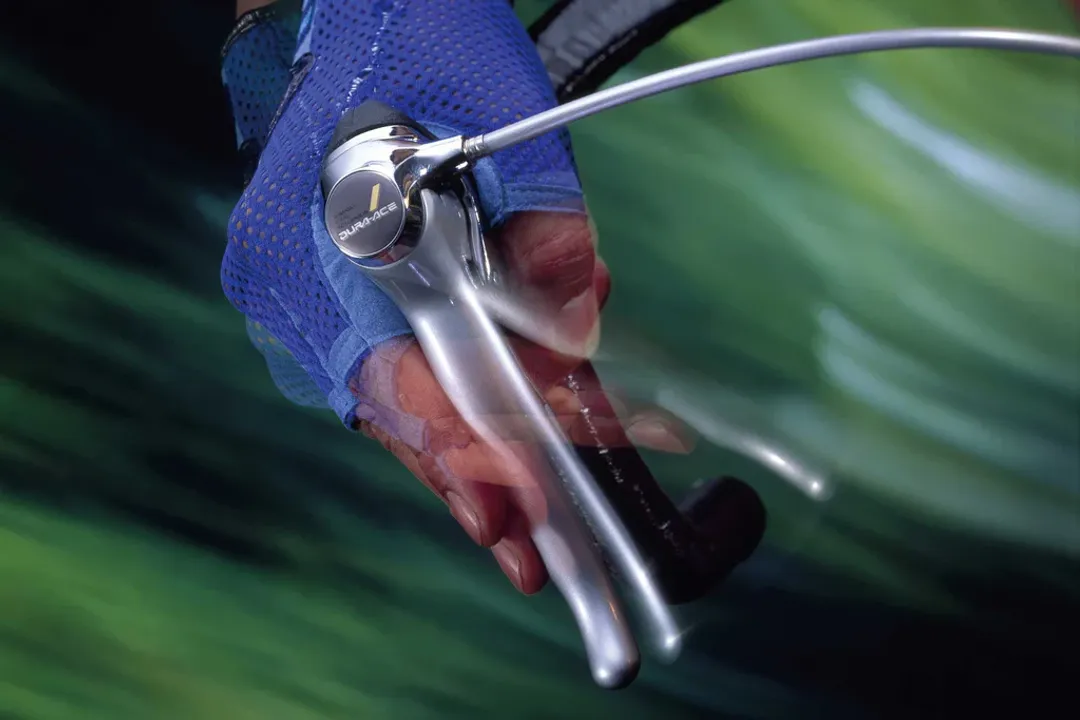
Indexed shifting solved the problem of cable tension consistency by building the required stops directly into the shifter itself. Instead of relying on the rider to hold a variable tension, the shifter moved the cable a pre-measured amount corresponding to a specific click or detent, which, in turn, moved the derailleur to align perfectly with the next cog. This meant the derailleur was locked into position by the click, independent of the sustained lever force.
While the concept of having defined positions for gears existed in early systems, the implementation of the system we recognize today—where the shifter dictates the exact cable pull required for a single-speed shift—is the key innovation. The shift away from friction-based systems to positive indexing marked a fundamental change in usability, lowering the barrier to entry for cycling with gears significantly.
If we look at the early days, around the mid-1960s, companies were experimenting with systems that offered a limited form of indexing, often using a pull-cable system that provided a basic positive feedback for selecting a few gears, distinct from the pure friction shifting prevalent at the time. The idea wasn't new in principle, but the execution needed refinement for the demanding environment of cycling.

# Bar Mounted Innovation
One specific avenue of development involved relocating the shifting control. While down-tube shifters were the standard for decades, some innovators looked to place the controls closer to the hands for quicker access and better ergonomics.
One claimant to a specific form of indexing involves a more recent, grassroots effort rather than the large Japanese conglomerates that later dominated the market. A notable claim suggests that an individual's brother invented bar-mounted index shifting. This development focused specifically on creating an indexed system that utilized levers mounted directly on the handlebars, predating or existing alongside the more famous integrated systems. This kind of innovation highlights that the concept of indexing was being developed in several places simultaneously, perhaps driven by racers or enthusiasts frustrated with existing friction controls.
This localized development is important because it shows that the idea of the click was not centralized in one corporate R&D department but was a necessary mechanical evolution sought by various parties. Such bar-mounted shifters, sometimes utilizing a ratchet mechanism, provided the positive feedback cyclists craved, even if they didn't achieve the mass-market penetration of later integrated levers. It also raises an interesting question for cyclists today: which form of shifter placement truly offers the best experience? While integrated brake/shifter combos are now dominant, those who prefer the purist setup of classic drop bars often look for quality friction or custom indexed thumb shifters that offer a very direct mechanical feel—a feeling that early indexing tried to replicate but with more reliability.
# Industry Adoption and Standardization
While inventors were certainly working on indexed systems individually, the widespread, reliable, and commercially successful adoption of indexed shifting is often credited to major component manufacturers who could mass-produce the required precision parts.
The history of drivetrain development shows a clear progression where manufacturers refined existing concepts to work flawlessly under real-world stress. The derailleur wars—the competition between manufacturers to produce the best components—drove much of this refinement.
Shimano played an undeniable role in bringing true indexing to the masses, often credited with popularizing the system that became the global benchmark. Their introduction of SIS (Shimano Index System) was revolutionary. This system was not just about a better shifter; it was about creating a perfectly matched ecosystem where the shifter, the derailleur geometry, and the cable pull ratios were all engineered together to ensure perfect indexing across all gears. This integrated design approach is perhaps the true invention: not just the click, but the total integration required for that click to work reliably across a wide range of cogs.
This integration meant that the rider could shift multiple times with confidence, knowing the derailleur would land exactly on the next cog, a marked departure from the "half-click" adjustments needed with friction systems. The introduction of Shimano's systems, particularly on mountain bikes and later on road bikes, effectively ended the dominance of pure friction shifting for general consumers and even competitive riders.

# Integrated Levers
The next massive leap came when manufacturers combined the braking and shifting functions into a single unit mounted on the brake hood, a technology famously spearheaded by Shimano with its STI (Shimano Total Integration) system. This was a revolution in cockpit design and ergonomics, offering immediate access to both braking and shifting without moving the hands from the hoods.
It is important to distinguish between the invention of indexing and the invention of the integrated shifter. Indexing is the presence of defined cable stops in the lever mechanism that dictates a precise cable pull for each gear position. STI is the packaging of that indexing mechanism, often alongside the brake caliper actuation, into a single, ergonomically advanced unit. Campagnolo also developed similar integrated systems, illustrating that this was a competitive technological direction in the late 1980s and early 1990s. The competition between Shimano and Campagnolo in developing these integrated systems cemented indexed shifting as the universal language of bicycle gearing.
The development path often shows that the function (indexing) arrives before the form (integrated lever). Early indexed shifters were often still separate from the brake levers, mounted on the handlebars or downtube, but they utilized the same principle of defined cable stops as the later STI levers.
# Comparing the Systems
To appreciate the invention, one can look at the mechanical differences in control input:
| Shifting Type | Primary Control Method | Key Limitation | Rider Feel |
|---|---|---|---|
| Friction | Continuous cable tension holding | Inconsistent alignment; requires fine motor control | "Squishy" or variable resistance |
| Indexed (Non-Integrated) | Positive detents/clicks in a dedicated shifter | Shifter location limits quick access (e.g., downtube) | Crisp, defined feedback per gear |
| Integrated (STI/EPS) | Positive detents within the brake hood lever | Higher cost and complexity for service/repair | Immediate, dual-function control |
This comparison highlights that the true "invention" wasn't a single lever, but the mechanical realization of the positive stop for cable actuation. The shift from the need to feel the correct tension (friction) to the ability to hear and feel a positive engagement (indexing) is the core technological leap that defined modern cycling performance. For example, a rider transitioning from friction to a basic indexed system might find that they can make a quick, aggressive shift mid-climb without fear of the chain skipping back a cog under load—that reliability is the invention’s greatest contribution.

# The Definition of Invention
Ultimately, answering "Who invented indexed shifting?" is complex because invention often involves iterative development rather than a single "eureka" moment. We have evidence of bar-mounted indexing efforts evolving separately from the large system introductions. We know the derailleur mechanism itself evolved over a long period.
However, in the context of commercially available, reliable, multi-speed systems that became the global standard, the work done by major component manufacturers like Shimano, which focused on system matching (SIS), is what made the technology universally adoptable and perceived as the invention. While someone may have created the first physical click mechanism in a garage, the person or company that successfully engineered that click to work flawlessly across 7, 8, 9, and then 10 or 11 cogs, and packaged it affordably, is often credited with its popular "invention" or, at least, its mastery. The evolution from early attempts to fully integrated systems shows a clear progression: the basic idea was conceived multiple times, but the expertise required to make it work consistently at scale defined the winners.
In the modern retro-cycling scene, some enthusiasts still look for ways to blend modern indexing reliability with classic aesthetics, or perhaps return to simplicity. For example, there have been modern attempts to revive the bar-mounted idea using completely new mechanisms, showing that the debate over the best control interface—whether thumb shifters, integrated levers, or even rotary mechanisms—continues even a century after the first derailleur designs. The initial inventor, whether the anonymous brother with the handlebar rig or a designer at a major firm, provided the necessary first step: the removal of dependence on the rider’s constantly adjusting finger pressure.
Related Questions
#Citations
The drivetrain wars: A history of shifting - Velo
Derailleur - Wikipedia
My Brother Invented Bar Mounted Index Shifting | Steve Tilford
first year of indexed shifting? - Bike Forums
When were bicycle gears invented? | BikeRadar
A Brief History of Bicycle Componentry - Torq Zone Academy
A Short History of Bike Tools by John Neugent - BikeRaceInfo
Local entrepreneur dreams big with new “Retroshift” system
Total integration, total revolution: How Shimano's STI shifting change