How did Alexander Graham Bell's invention change American life?
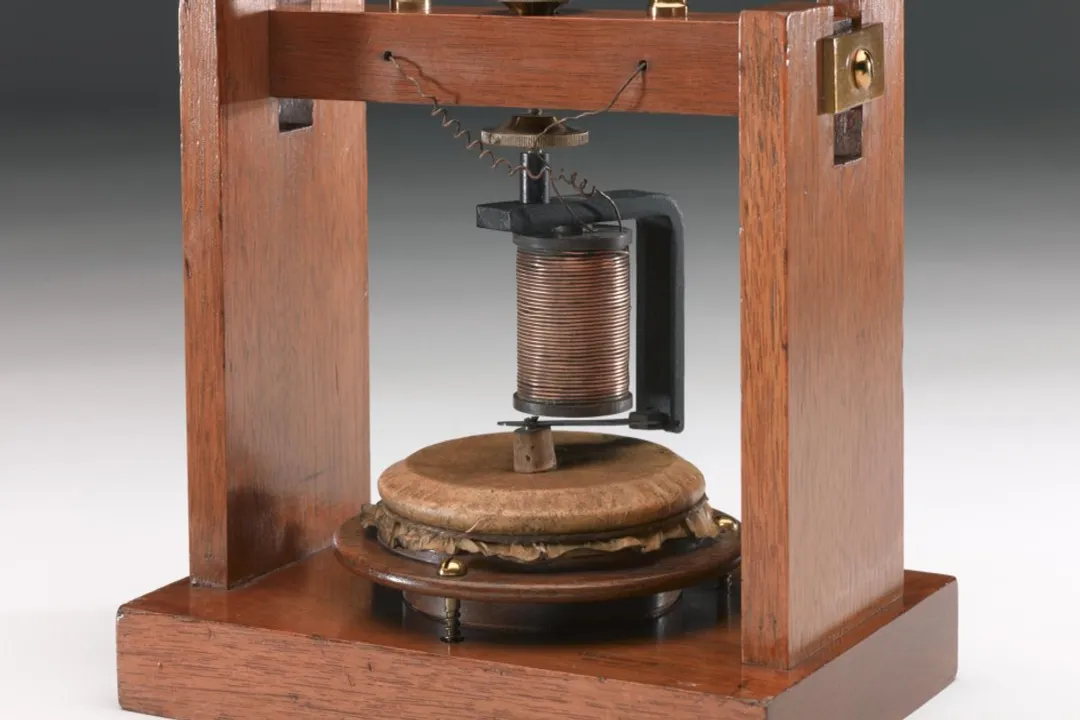
The moment Alexander Graham Bell spoke the words, "Mr. Watson—Come here—I want to see you," on March 10, 1876, the way Americans interacted with distance, time, and one another was irrevocably altered. [2][4] This breakthrough did not merely introduce a new gadget; it fundamentally rewired the nervous system of American society, collapsing the perceived boundaries that had defined commerce, personal relationships, and emergency response for centuries. [9] Before the telephone, communication over distance relied primarily on the telegraph, which required specialized operators and transmitted codified messages, or the mail, which operated on the pace of the carrier. [7] Bell’s invention introduced instantaneous voice transmission, something wholly unprecedented in daily life. [9]
# Acoustic Roots

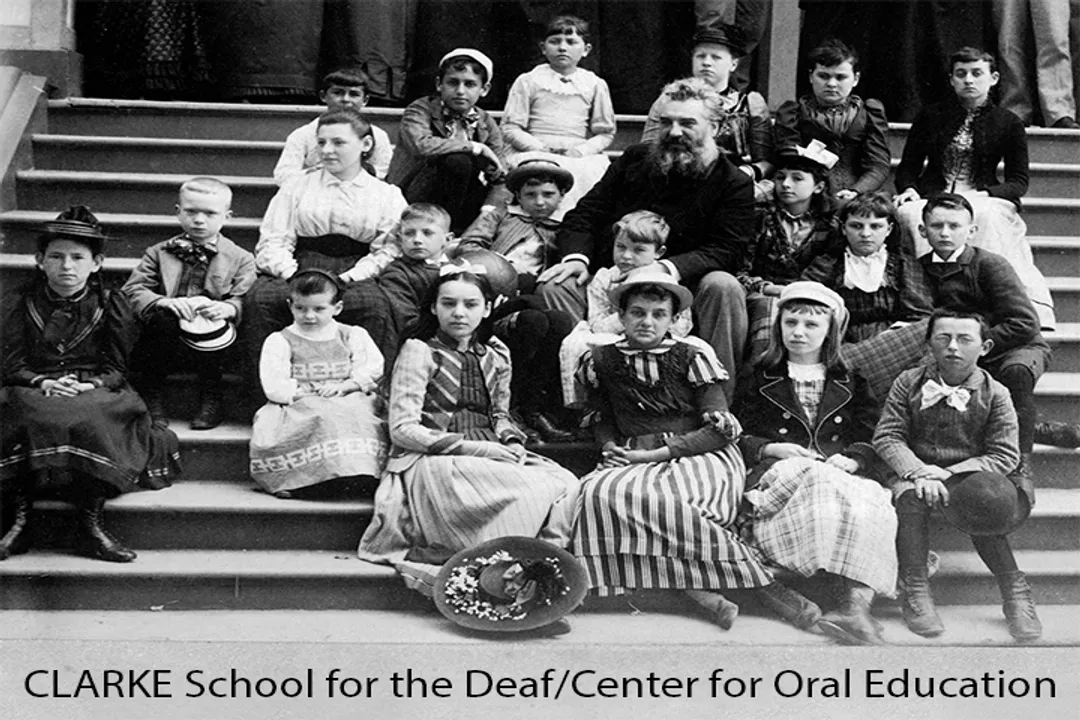
Bell’s path to the telephone was deeply intertwined with his lifelong dedication to sound and speech, particularly concerning the deaf community. [6] His father developed Visible Speech, a system of phonetic symbols designed to aid the deaf in speaking, and Bell himself became a teacher of the deaf, understanding the mechanics of vocalization better than most engineers of his time. [4][7] This expertise gave him a unique perspective on transmitting sound electrically. [7] While his initial work was focused on creating a "harmonic telegraph" that could send multiple messages over a single wire simultaneously, his experiments led him in a different direction. [1][7]
The crucial conceptual leap involved converting sound waves into variable electrical currents that could travel along a wire and then be reconverted back into audible sound at the receiving end. [7] Bell conceived of an apparatus that could transmit the undulating quality of the human voice, not just simple on/off electrical pulses like the telegraph. [5] His assistants, like Thomas Watson, were integral to the physical realization of these concepts. [2] The famous first successful transmission occurred in Boston, marking the point where theory met practical, audible reality. [2]
# Patent Speed
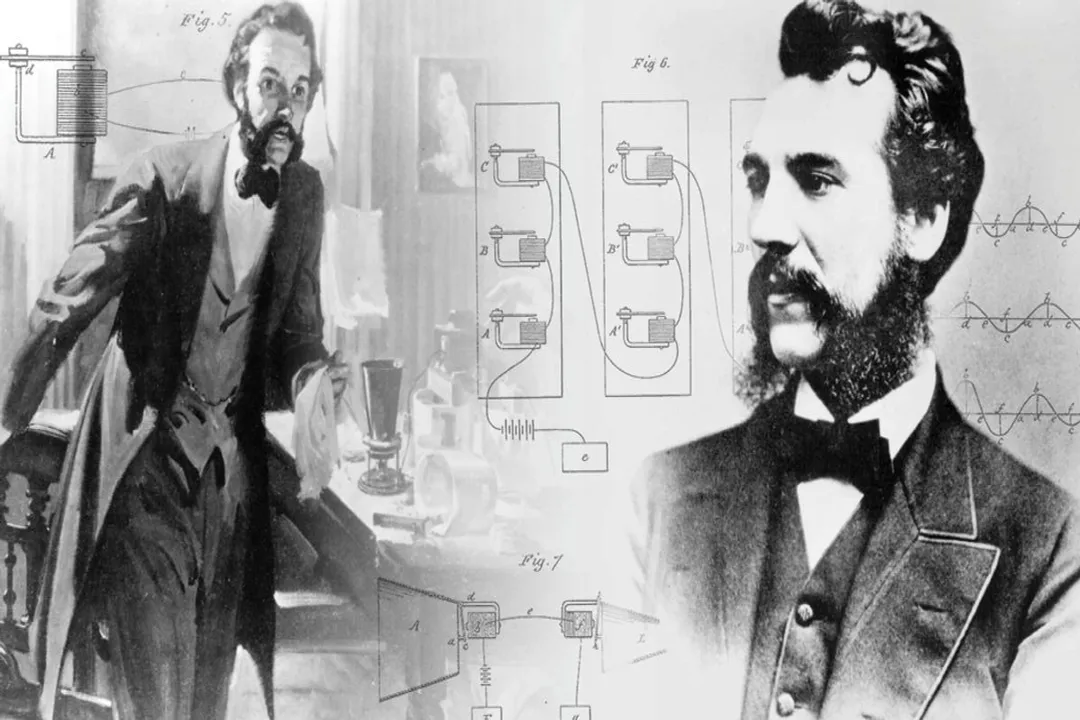
The race to secure the rights to this transformative technology was intense, highlighting its perceived immediate commercial value. [5] Bell filed his patent application for the "Improvement in Telegraphy" on February 14, 1876. [5] Remarkably, a similar patent application from Elisha Gray was filed on the very same day, though Bell's was filed mere hours earlier. [5] The U.S. Patent Office granted Bell’s patent, number 174,465, just a few weeks later, on March 7, 1876. [5] This swift patent award established Bell’s legal claim to the core technology of the telephone. [5] This legal protection was the necessary foundation upon which the massive infrastructure of the American telephone system would eventually be built. [1]
# Business Transformation
The immediate impact on American business operations was staggering, shifting daily commercial realities almost overnight. [8] Initially, the telephone was viewed by some as a sophisticated gadget, but businesses quickly grasped its potential for efficiency. [8] Before the telephone, urgent transactions between manufacturers, suppliers, and distant clients required travel or telegraphy, creating inevitable delays. [3]
The arrival of the telephone allowed for real-time negotiation and coordination. In the context of rapidly expanding American industrial centers between the 1870s and the 1940s, this speed became a competitive edge. [3] Consider, for a moment, the evolving geography of commerce: before widespread personal automobiles or commercial air travel, physical distance was a profound constraint on operational speed. The telephone created an instantaneous economic geography, shrinking the effective working distance for industries dependent on rapid supply chain adjustments—such as commodity brokers, early manufacturing firms coordinating inputs, and news agencies needing immediate verification. [3] The ability to conduct a conversation, clarify details, and agree on terms without waiting hours or days injected an unprecedented level of agility into the market structure. [8]
The telephone also rapidly altered office organization. It reduced the reliance on messenger boys for internal communication, allowing executives and managers to maintain direct, immediate contact with various departments. [8] This centralized control and streamlined decision-making processes within burgeoning corporate structures. [3] Companies like the Bell Telephone Company (later AT&T) rapidly began establishing local exchanges, turning a point-to-point novelty into a networked utility. [1]
# Personal Connections
While business adopted the device for efficiency, the societal transformation came through personal connection. The telephone began to weave a new social fabric, altering the dynamics of home life and community interaction. [9]
For families separated by geography, the telephone offered a way to maintain a bond that transcended the static nature of letters. Though initial costs might have limited widespread adoption immediately, where installed, it reduced the isolation felt by those separated from relatives in growing urban centers or distant towns. [3] The service extended beyond simple familial chats; it became a vital tool for social organization, allowing groups to plan events, share news, and mobilize quickly in ways impossible before. [8]
One area where the impact felt immediate and profound was safety. The ability to summon help instantly in case of fire, medical emergency, or criminal activity offered a tangible layer of security previously unavailable to the average household. [8] Early telephone companies had to grapple with establishing emergency call protocols, a testament to how quickly the public integrated the device into perceived needs for protection. [8]
It is worth comparing the initial value proposition. For a modern user, the smartphone cost is high, but the utility is multifaceted. For an early adopter in the 1880s, setting up a basic line meant installing wiring, a transmitter, and a receiver, a significant capital outlay. [1] The personal value calculation for that early adopter was entirely based on the utility of immediate voice access—whether securing a crucial business deal or simply knowing a sick relative could be reached instantly—which justified the high upfront cost far more than vague notions of technological progress. [3]

# Bell's Other Work
It is important to recognize that Bell’s focus extended far beyond the creation of the telephone. [4] His deep commitment to the education of the deaf continued throughout his life, a passion that both informed his invention and, later, became a source of controversy. [6] Bell held strong beliefs about language acquisition for the deaf, advocating for oralism—teaching the deaf to speak and read lips—and opposing the use of sign language. [6]
This stance put him at odds with many in the deaf community who viewed sign language as a rich, unique language and cultural identifier. [6] Bell’s influence was immense; for decades, his advocacy for oral methods shaped the curriculum in many American schools for the deaf, often suppressing the use of American Sign Language (ASL). [6] This dual legacy—the inventor who connected the nation by voice, and the educator who, paradoxically, campaigned against a visual language vital to a significant segment of the population—is central to understanding his full impact on American social history. [6]
# Network Growth
The invention was only the starting point; the true change came with the network. [1] Initially, early telephone systems were rudimentary, often consisting of just two instruments connected by a wire. [1] Connecting more than two points required complex, dedicated wiring arrangements. [1] The introduction of the central switchboard, manned by human operators, transformed the system into a genuine public utility. [8]
These early operators, often young women hired for their clear voices and perceived patience, became the gatekeepers of instantaneous connection. [8] They managed the connections requested by subscribers, effectively creating the initial public address book for the emerging connected world. [8] This physical infrastructure—the wires strung across streets and the central exchange buildings—began to physically reshape the American urban landscape between the 1880s and the early 1900s. [3]
The expansion wasn't always smooth. As the system grew, so did the challenges of scale, maintenance, and competition. [1] The sheer investment required to lay copper wire across states and establish reliable long-distance service drove the creation of massive, consolidated corporate entities, like the Bell System, which came to dominate the American communication infrastructure for much of the 20th century. [1] This consolidation itself marked a significant structural change in American enterprise, leading to a regulated monopoly that ensured a standardized, albeit sometimes slow-to-innovate, national service. [3]

# A New Pace of Life
The telephone introduced a new expectation of immediacy that permeated American culture. Life began to operate at the "speed of talk" rather than the "speed of travel". [9]
This cultural shift is subtle but powerful. Prior to the telephone, there was a built-in buffer time between any significant interaction—time for travel, time for the post to arrive, time to write a reply. [7] The telephone eroded that buffer. It encouraged faster decision-making and reduced the tolerance for drawn-out correspondence. [9] While this speed was beneficial for commerce, it also increased the psychological pressure on individuals to be constantly accessible and responsive. [3]
This change in rhythm fundamentally altered how personal commitments were made and upheld. A verbal agreement over the telephone, while not always legally ironclad in the early days, carried a new social weight because it was immediate and direct, something that could not easily be denied or misinterpreted later in the way a brief telegraph message might be. [8]
In the ensuing decades, as transmission quality improved and costs dropped—moving from exclusive business use to household necessity—the telephone became the standard benchmark for personal and professional urgency. This evolution, rooted in Bell’s initial sound transmission experiment, established the very framework for digital communication that followed, making the expectation of instant access the default setting for modern American life. [9] The ability to hear the tone of voice—whether frustration, joy, or urgency—added an emotional bandwidth to long-distance communication that the telegraph could never convey, deepening interpersonal connections even as distance remained physically unchanged. [2] The telephone didn't just transmit words; it transmitted presence. [9]
# Infrastructure and Monopoly
The establishment of a nationwide communication network involved overcoming immense logistical hurdles, demanding substantial capital and engineering ingenuity. [1] The success of Bell’s patent spurred aggressive development, but also fierce competition and legal battles. [5] The eventual dominance of the Bell companies meant that for many decades, if you wanted to use a phone in America, you were using equipment, lines, and service connected to one central entity. [1][3]
This structure meant that the growth of telecommunications mirrored the growth of the centralized American corporation itself. It required massive, coordinated investment in infrastructure—poles, wires, switchboards—often extending into rural areas where the immediate commercial return was low, but the societal value was deemed necessary for national cohesion. [3] This large-scale build-out, overseen by a single entity, created a standardized system across diverse regions, ensuring that a call from New York to California had a recognizable process, regardless of the local cultural norms of the endpoints. [1]
The legacy of that initial patent is the very concept of the shared, accessible line, even though the technology has moved far from Bell’s original apparatus. The physical act of speaking into a device and having your voice instantly understood hundreds of miles away remains the foundational experience he delivered to American life. [4][9] It was the moment the United States began to inhabit an electronically connected world, setting the stage for every subsequent communication technology that followed. [3]
Related Questions
#Citations
Alexander Graham Bell: The Inventor Who Transformed ...
Ahoy! Alexander Graham Bell and the first telephone call
1870s – 1940s: Telephone | Imagining the Internet - Elon University
Alexander Graham Bell: Telephone & Inventions - History.com
Alexander Graham Bell and the patenting of the telephone
The Influence of Alexander Graham Bell - Gallaudet University
The Invention of the Telephone – Science Technology and Society a ...
Inventors of the Age - OpenEd CUNY
Alexander Graham Bell Legacy - Confinity