What process converted a biological signal into a radio frequency signal for transmission during early space monitoring?
Answer
Telemetry
The underpinning technology that allowed for the transmission of astronaut vital signs from orbit was telemetry. This process was essential for converting a biological signal—such as the electrical impulse recorded by a heart monitor—into a radio frequency signal capable of traveling reliably through the air over great distances. Once received miles away, this signal could then be reassembled back into readable, actionable diagnostic data. The necessity of this conversion spurred crucial engineering groundwork related to miniaturization and maintaining signal reliability under severe environmental stress, proving vital for later medical applications.
Related Questions
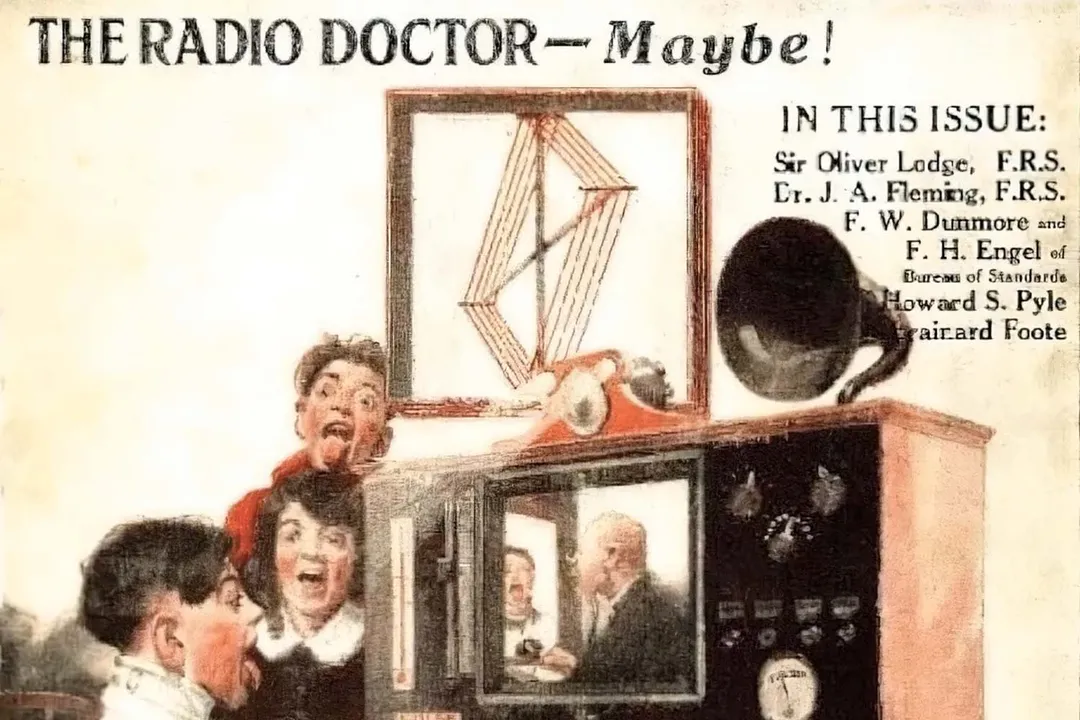
What did the 1925 Science and Invention magazine illustrate as "teledoctoring"?What endeavor significantly accelerated advancements in biotelemetry for transmitting physiological data wirelessly?What process converted a biological signal into a radio frequency signal for transmission during early space monitoring?What key physiological parameter did the 1967 NASA-funded program aim to transmit wirelessly from heart patients' homes?What is the fundamental pipeline established by early, rudimentary remote monitoring systems?What change allowed for more complex algorithms and stricter security protocols in remote diagnostics transmission?How does Remote Patient Monitoring (RPM) generally contrast with general telehealth?What were the two necessary technological components that had to mature simultaneously for remote diagnostics to become truly viable?What key shift defines the transition from mere *monitoring* to *diagnostics* in modern remote care realizations?Who is credited with the systematic application and systematization of remote diagnostic technology into a reproducible care model?