Who invented remote diagnostics?
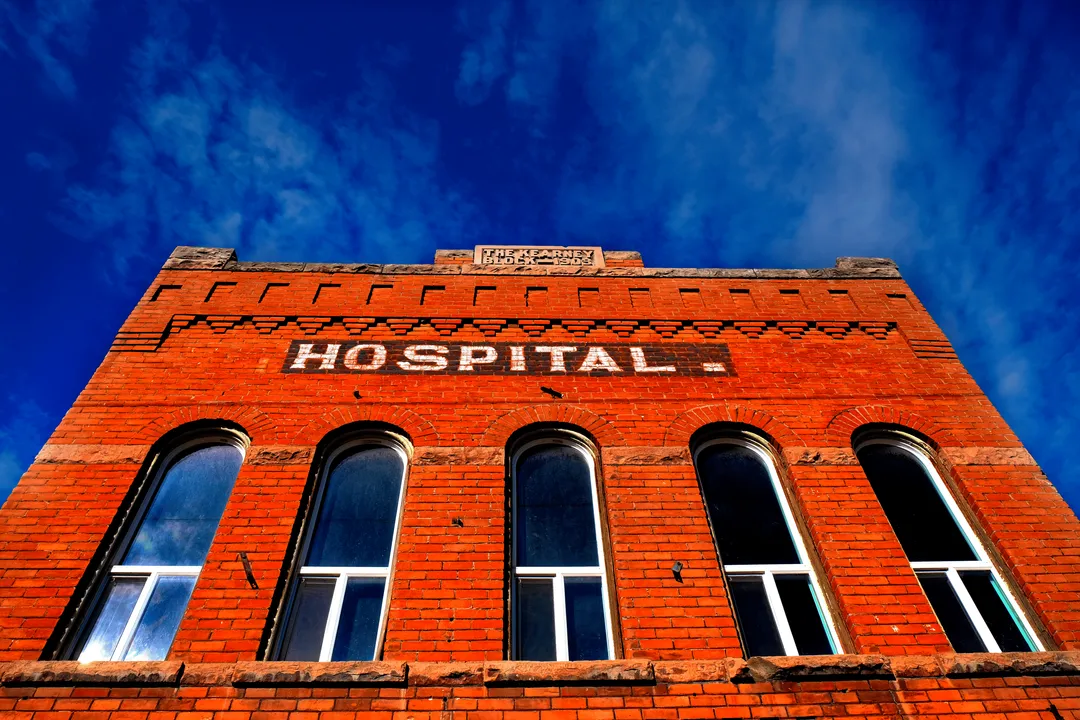
The question of who exactly invented remote diagnostics is less about naming a single person and more about tracing a long, winding technological evolution driven by necessity, distance, and the advent of new communication methods. It wasn't a sudden Eureka moment in a single lab; rather, it emerged from various fields, from the earliest telegraph systems to the demanding requirements of space travel. [6] To understand the origin, we must look at the confluence of early medical communication needs and subsequent technological acceleration.
# Initial Sparks
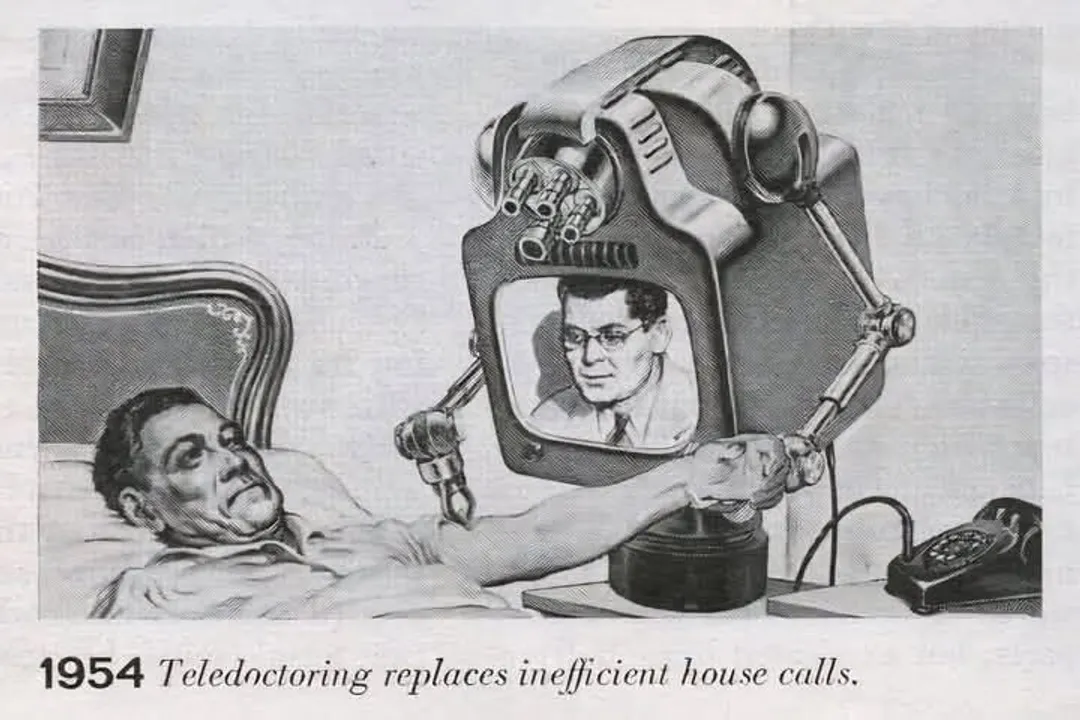
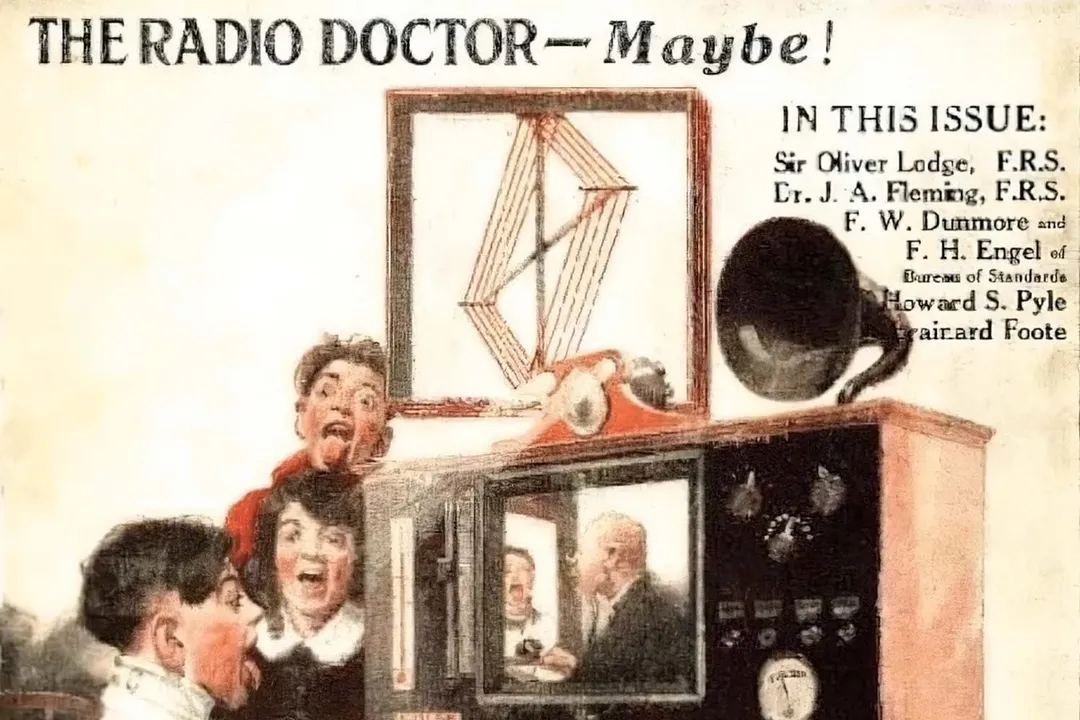
The conceptual foundation for sending medical information across distances predates modern electronics by a century. If we consider the ability to offer medical advice without physical presence as the starting point, the roots go back to the use of the telegraph and later, the telephone in the late 1800s and early 1900s. [8]
One frequently cited early instance occurred in the early 20th century, possibly around the 1920s, involving a physician providing guidance remotely. For example, an early case noted a doctor on the mainland advising a nurse on Bainbridge Island, Washington, via telephone to manage a patient’s care. [5][8] This was remote advice, requiring descriptive reporting rather than automatic data transmission, but it established the principle of off-site medical intervention. [5] Another notable early use involved Massachusetts General Hospital sending patient health information over telephone lines in the 1920s, effectively digitizing some elements of record transfer long before the term "telehealth" existed. [5]
The development wasn't uniform; it depended heavily on local circumstances. Where geography imposed severe isolation, the drive to connect doctors and patients grew stronger. In the era before widespread internet or sophisticated sensors, these early examples highlight that the need for remote consultation was present as soon as reliable, long-distance voice communication was available. [6] This contrasts sharply with later developments driven by technical capability rather than pure geographical isolation. [6]
# Space Age Push
The true technological leap that defined modern remote diagnostics—the automated, real-time transmission of physiological data—came not from terrestrial hospitals, but from the skies. The Space Race of the 1960s became the single greatest catalyst for remote patient monitoring technology. [4][10]
NASA faced an unprecedented challenge: how to monitor the vital signs of astronauts traveling thousands of miles away in a hostile environment. [3][4] If a medical emergency arose in space, there was no ambulance or immediate physical backup. This mandate forced the creation and standardization of systems capable of transmitting ECGs, blood pressure, and other critical physiological measurements wirelessly and reliably over vast distances. [9][10] This work paved the way for biotelemetry, which monitors vital signs without wires. [4]
By the mid-1960s, engineers and medical personnel developed ways to capture data from astronauts and send it back to Mission Control. This required innovations in miniaturization, power efficiency, and robust signal transmission—all core components of today’s wearable diagnostic tools. [10] While NASA wasn't focused on treating Earth-bound patients, the technological infrastructure they pioneered became the immediate foundation upon which terrestrial remote monitoring systems were built shortly thereafter. [4]
# Formalizing Care Delivery

As the technology matured outside of spaceflight, efforts began to formalize remote medical services for civilian use, particularly in emergency settings. The 1970s saw significant activity in establishing these systems on Earth. [5]
One key area was the application of biotelemetry in emergency medical services (EMS). Ambulances began using wireless technology to transmit a patient's electrocardiogram (ECG) readings back to a hospital emergency room while en route. [4][9] This meant that doctors could assess cardiac events remotely and prepare appropriate interventions before the ambulance arrived, dramatically shortening the time to critical care. [9] This use case exemplified remote diagnostics used in an acute, time-sensitive setting.
Furthermore, the regulatory landscape began to take shape. The Food and Drug Administration (FDA) started approving remote monitoring equipment during this decade. [4] The government's willingness to recognize and approve these devices for medical use signaled a critical shift from experimental technology to accepted diagnostic practice. The precedents set by the FDA regarding data security and accuracy in the 1970s continue to influence how new digital health tools are categorized and deployed today. [4]
# Diverging Paths
The history shows two distinct streams flowing into the modern concept of remote diagnostics. One was the consultative model, rooted in early telephone use for general advice, and the other was the monitoring model, driven by the technical demands of space exploration and emergency response. [6]
The transition into the digital age saw these streams merge, leading to what we now often call Remote Patient Monitoring (RPM). [2] RPM focuses less on an instantaneous consultation and more on the continuous or periodic collection of health data from patients managing chronic conditions at home. Devices like remote blood pressure cuffs, glucose meters, and weight scales began transmitting data directly to healthcare providers. [2][4]
| Era/Driver | Primary Goal | Technology Focus | Example Outcome |
|---|---|---|---|
| Early 1900s | Geographical Access | Voice Communication (Telephone) | Remote clinical advice [5] |
| 1960s (NASA) | Extreme Distance Monitoring | Biotelemetry, Signal Transmission | Real-time vital sign relay from space [4][10] |
| 1970s | Acute Emergency Care | Wireless Signal Transmission (EMS) | Pre-arrival hospital preparedness via ECG [9] |
| Present Day | Chronic Disease Management | Internet of Medical Things (IoMT) | Continuous data streams for proactive care [2] |
The effectiveness of this system hinges on the ability of software and network infrastructure to manage the influx of data securely and intelligently. [10] While the inventor remains elusive, the invention of modern remote diagnostics as a comprehensive system is a product of government funding for space exploration, the regulatory guidance of agencies like the FDA, and the persistent need to bridge gaps in physical healthcare access. [1][4] The early 20th-century doctor advising a nurse over a wire set the stage, but it was the mid-century technological race that provided the necessary sensors and transmission capabilities to make diagnostics truly remote and automated. [6]
Related Questions
#Citations
Telemedicine in the U.S. | Rex MD
Remote patient monitoring - Wikipedia
The History of Telehealth and Remote Patient Monitoring - Tenovi
a brief history on the remote patient monitoring system - Neoteryx
History of Telemedicine - Curogram
Remote medical diagnosis system concept - Facebook
History of Remote Patient Monitoring: How It Began & Where It's Going
When Was Telemedicine Invented: A Historical Overview - Bigscal
The Evolution of Remote Care Management - HealthSnap
The History of Remote Monitoring, Telemedicine Technology