What change allowed for more complex algorithms and stricter security protocols in remote diagnostics transmission?
Answer
The shift from analog radio transmission to digital data packets
A critical acceleration point in the evolution toward modern devices involved moving beyond older transmission methods. The transition from using analog radio frequency signals—common in early space telemetry—to employing digital data packets proved revolutionary. Digitization enabled the incoming data stream to be managed by more sophisticated, complex algorithms, allowing for automated processing and real-time analysis rather than just raw data transfer. Crucially, this digital shift also made it significantly easier to implement and enforce the stricter security protocols required to protect sensitive patient privacy as health information traveled across networks.
Related Questions
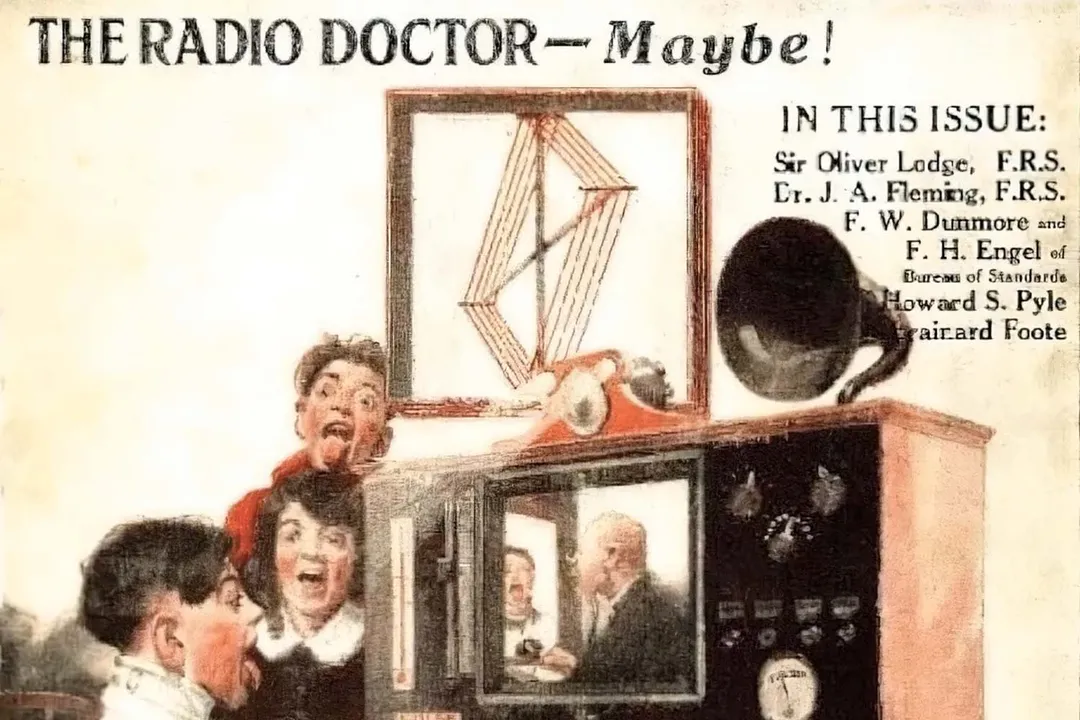
What did the 1925 Science and Invention magazine illustrate as "teledoctoring"?What endeavor significantly accelerated advancements in biotelemetry for transmitting physiological data wirelessly?What process converted a biological signal into a radio frequency signal for transmission during early space monitoring?What key physiological parameter did the 1967 NASA-funded program aim to transmit wirelessly from heart patients' homes?What is the fundamental pipeline established by early, rudimentary remote monitoring systems?What change allowed for more complex algorithms and stricter security protocols in remote diagnostics transmission?How does Remote Patient Monitoring (RPM) generally contrast with general telehealth?What were the two necessary technological components that had to mature simultaneously for remote diagnostics to become truly viable?What key shift defines the transition from mere *monitoring* to *diagnostics* in modern remote care realizations?Who is credited with the systematic application and systematization of remote diagnostic technology into a reproducible care model?