What problem did rapid assessment protocols aim to address in the context of crisis mapping?
Answer
Prioritizing which crowdsourced reports required immediate human verification
The software creates a high volume of reports, but the real bottleneck is the human capacity to verify them. Rapid assessment protocols were developed as operational checklists to manage this, helping responders determine which reported needs were critical and required physical investigation versus which could be treated as low-priority or background noise. This operational layer is essential for ensuring that crowdsourced data leads to effective, coordinated action.
#Videos
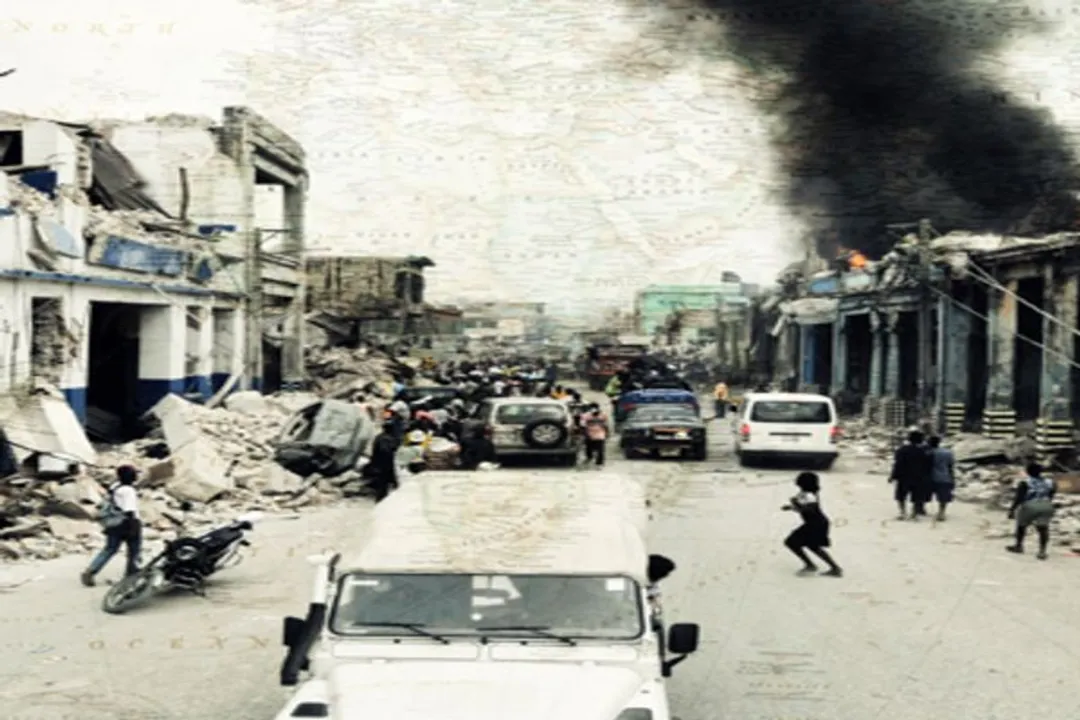
Patrick Meier: Crisis Mapping | Nat Geo Live - YouTube
Related Questions
What specific historical event in 2008 served as the catalyst for the development of the Ushahidi platform?What does the Swahili word Ushahidi signify in the context of the crisis mapping platform?Which group of technologists was instrumental in the creation of the Ushahidi platform?What is the primary functional core of a crisis mapping tool during a disruption?How is Patrick Meier primarily associated with the field of crisis mapping?Why was the decision to keep the Ushahidi platform as open-source infrastructure significant for its adoption?How did Guatemalan teams utilize the Ushahidi code base during Tropical Storm Agatha?What problem did rapid assessment protocols aim to address in the context of crisis mapping?What diverse data inputs can a crisis mapping tool aggregate to display on an interface?What advancement allowed crisis mapping tools to evolve from simple reporting mechanisms into analytical hubs?