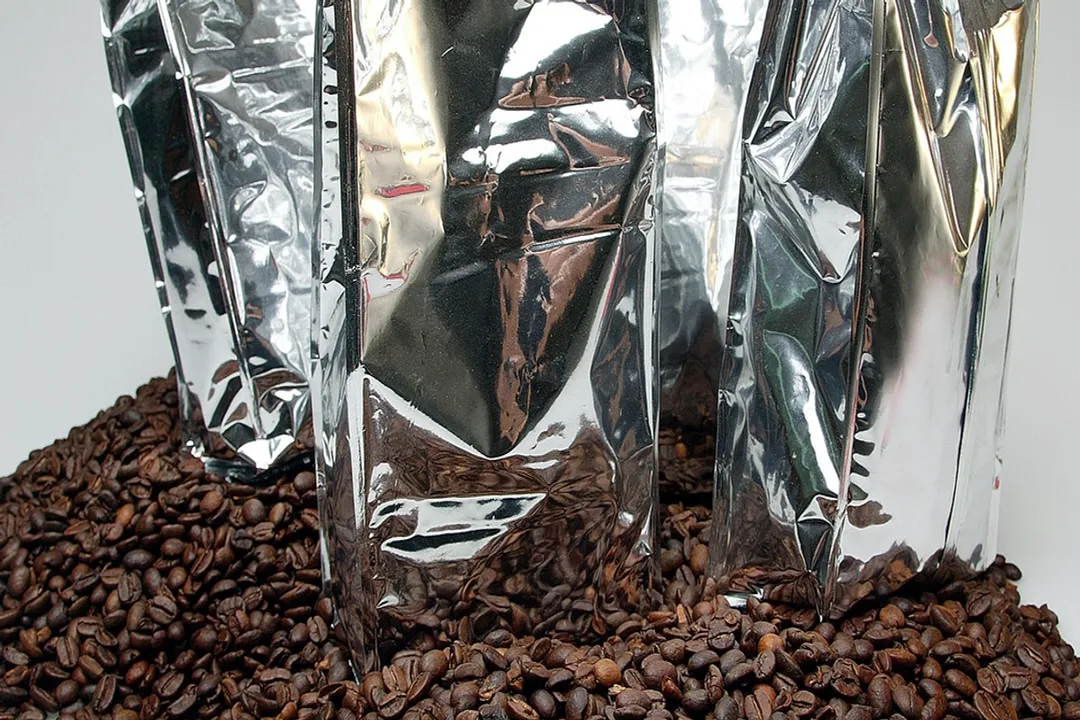
What does kinetic modeling treat shelf life as?
The time required for a critical quality attribute to drop to a pre-defined minimum acceptable level.
Kinetic modeling, which forms the scientific backbone for estimating product longevity, defines shelf life specifically as the duration necessary for a designated critical quality attribute (CQA) to decline until it reaches a specified minimum level considered acceptable. This definition frames the problem around measuring the speed of degradation relative to a threshold. For example, if the critical attribute is vitamin content, shelf life ends when that content falls below the established minimum required potency or concentration. This approach fundamentally centers on quantifying the rate at which undesirable chemical changes, such as degradation or off-flavor development, proceed according to measurable mathematical patterns like first-order or zero-order reactions.