What clinical practice has been enabled by connecting ultrasound systems to remote experts?
Answer
Teleradiology
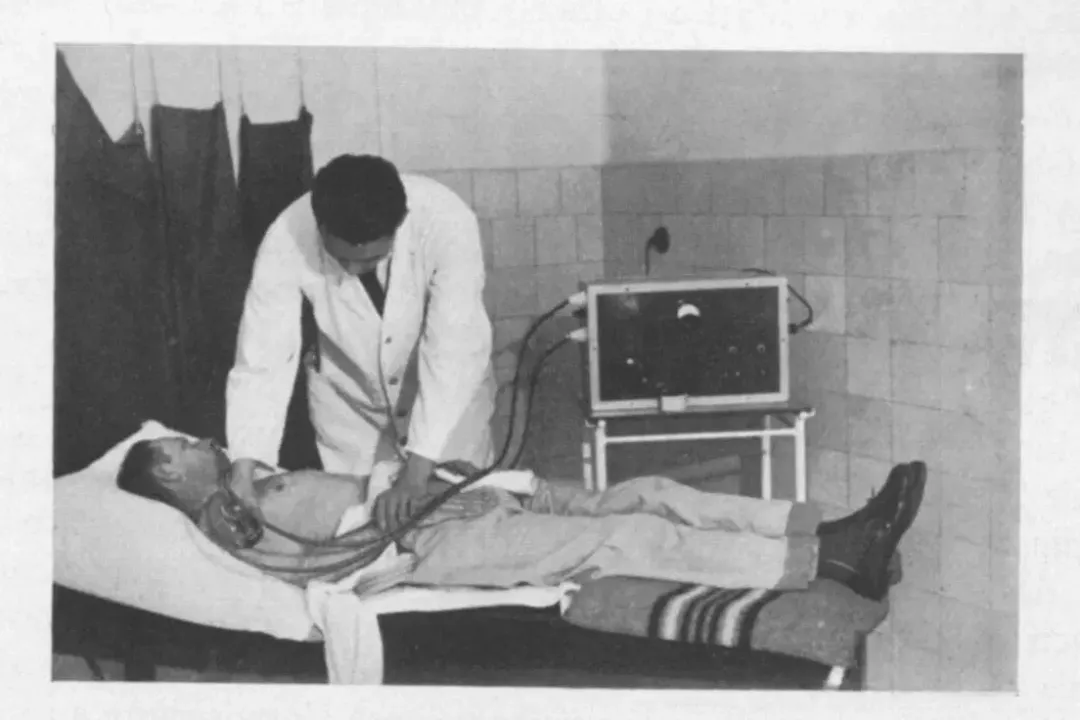
The modern ability to connect ultrasound machines, whether through hospital networks or the internet, extends clinical utility far beyond simple local storage solutions. One of the most significant impacts of this connectivity is the rise of teleradiology. Teleradiology involves the transmission of radiological images from the point of acquisition to a remote specialist for interpretation and reporting. For ultrasound, this means that high-level diagnostic expertise can be brought to remote or medically underserved geographic areas, allowing a technician or physician at the site of care to immediately send the study for review by an expert located miles away, drastically improving access to specialized diagnostic capabilities.
Related Questions
What device did Paul Langevin develop around 1917 for anti-submarine detection?What clinical use did Inge Edler and Carl Hellmuth Hertz first achieve in 1953?What display mode was primary for early devices like the one used by Edler and Hertz?Which imaging mode translates echo intensity into cross-sectional visual maps?What essential physiological dimension did Doppler ultrasound add to anatomical imaging?What did John Wild in the UK develop early units capable of measuring?What technological transition made sharing ultrasound images across networks practical?Which system became the enabling technology for sharing digitized DICOM images across hospital networks?What clinical practice has been enabled by connecting ultrasound systems to remote experts?Why is connectivity essential for the smaller, handheld ultrasound units today?