Who was the motivation for Alexander Graham Bell to make all of his inventions?

Alexander Graham Bell, the name inextricably linked with the telephone, often carries the popular image of an inventor driven solely by a sudden flash of genius concerning electrical vibrations. However, peeling back the layers of his life reveals that his monumental achievement was not a singular event but the culmination of deeply personal relationships and a lifelong professional dedication to the science of sound and speech, particularly concerning those who could not hear it. [1][4][6][7] His inventions were fundamentally motivated by people: his mother, his wife, and the community of the deaf.
# Melville’s Influence
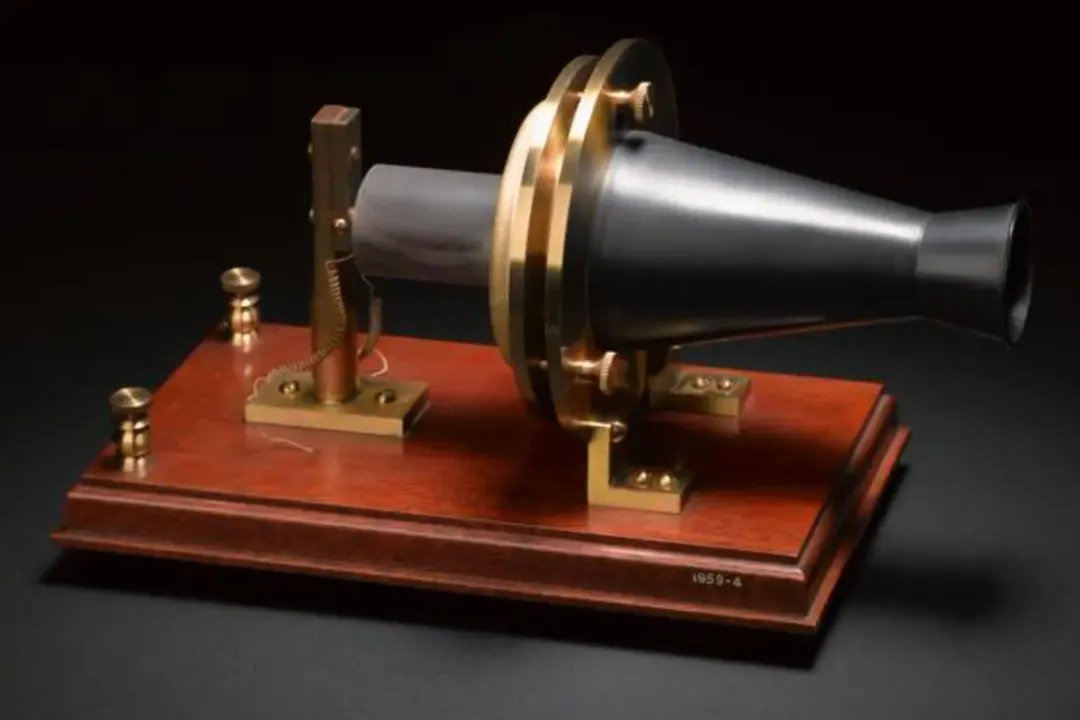
The groundwork for Bell's fascination with acoustics and speech was established early in his life by his father, Alexander Melville Bell. [1][4] Melville Bell was an expert in elocution and speech therapy who developed the system known as Visible Speech. [4][6][7] This system used phonetic symbols to represent the position of the mouth, tongue, and throat required to produce any sound, offering a visual language for speech. [6][7] Growing up immersed in this environment meant that Bell’s early education and professional focus were entirely centered on the mechanics of human vocalization and the challenges of transmitting sound. [4][7]
Bell initially worked closely with his father, teaching the deaf using Visible Speech methods and even lecturing on the subject. [1][4] This early career trajectory illustrates that his expertise was built not in electrical engineering laboratories, but in classrooms dedicated to overcoming communication barriers. [6] When he later experimented with telegraphy, he did so through the lens of a man trying to replicate or transmit the subtleties of the human voice, a concept far removed from simply sending coded dots and dashes. [5] It is easy to see the direct line from understanding how the human mouth creates a sound to wanting to capture that sound electrically and send it across a wire.
# Maternal Hearing
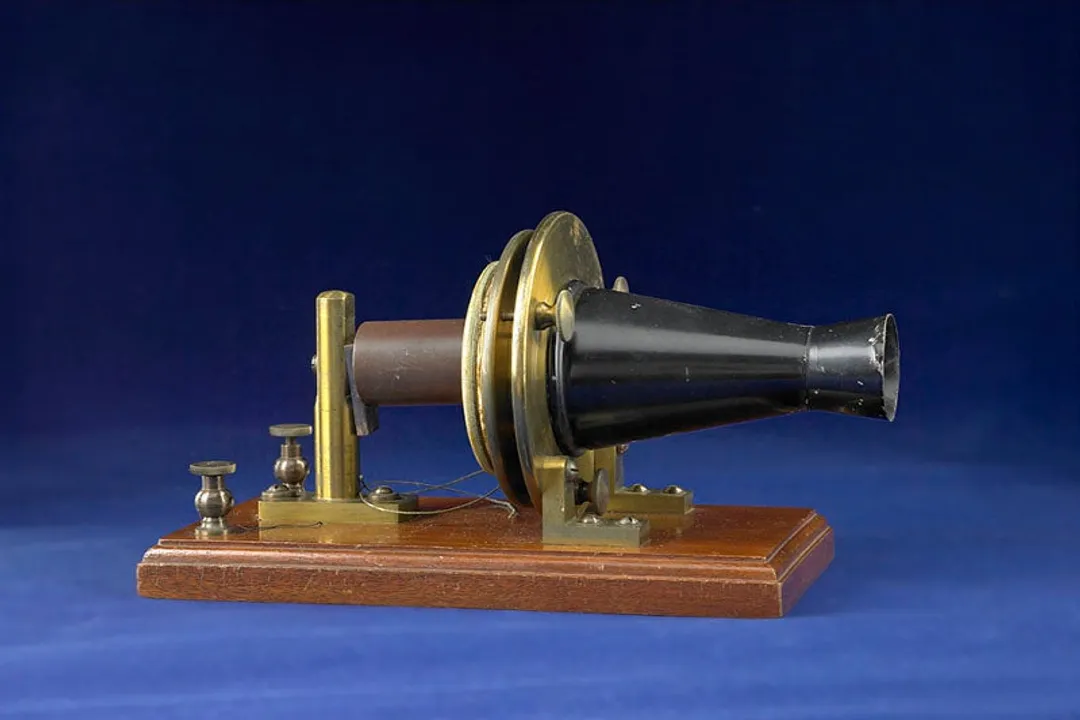
A profound personal connection to the difficulties of hearing impairment marked Bell’s childhood. His mother, Eliza Grace Symonds Bell, suffered from partial deafness later in life. [1][4][9] While this condition may have been challenging for her, it served as a constant, tangible reminder to her inventive son of the vital necessity of clear communication. [4]
It is fascinating to consider how this early exposure shaped his perspective on innovation. While many inventors sought to speed up processes—faster printing, faster travel—Bell’s primary goal, informed by his mother’s reality, seemed to be bridging a gap in quality and accessibility of communication, rather than mere efficiency. [7] His work was less about creating a faster business tool initially, and more about restoring a fundamental human connection that his mother experienced difficulty maintaining. This personal imperative fueled his dedication to understanding the physics of sound itself, an expertise he needed to develop before he could dream of transmitting it electrically. [9]

# Mabel Hubbard
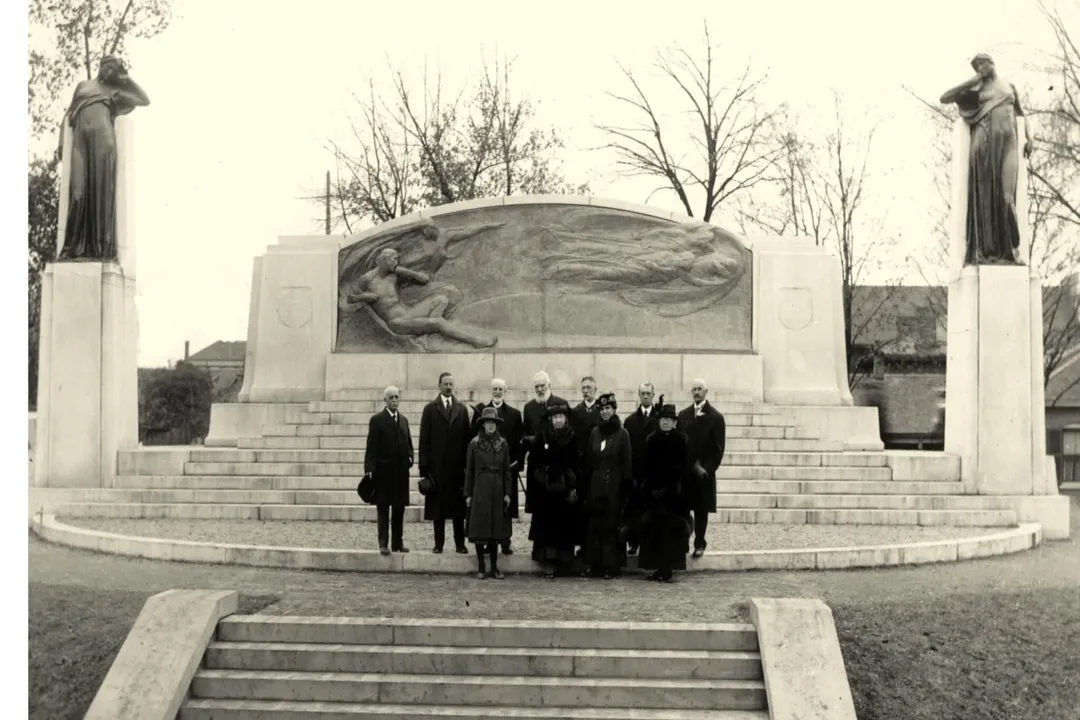
If his father provided the technical framework and his mother the personal sympathy, then his wife, Mabel Hubbard Bell, provided the enduring support and the immediate financial backing that launched his most famous invention. [1][4][9] Mabel Hubbard had been deaf since childhood due to scarlet fever. [4][9]
Bell met Mabel while teaching at the Clarke School for Deaf Mutes in Northampton, Massachusetts, where she was a student. [4] Later, her father, Gardiner Greene Hubbard, a prominent businessman and philanthropist, became an early and critical patron of Bell’s work. [4][6] Hubbard’s initial interest lay in supporting Bell's work with the deaf, but as Bell transitioned his electrical experiments toward the "harmonic telegraph"—a device meant to send multiple telegraph messages over a single wire—Hubbard began to see the immense commercial potential in the technology that Bell believed could transmit voice. [6][5]
The relationship between Bell and Mabel Hubbard was deeply intertwined with his pursuit of sound manipulation. The desire to communicate with Mabel, and by extension, the broader deaf community, was a constant driver. [9] When Bell successfully transmitted speech, it wasn't just a scientific breakthrough; it was a realization of a deeply personal goal to make the human voice universally present, a need sharpened by his devotion to Mabel. [4] Furthermore, the success of the telephone invention, and the subsequent founding of the Bell Telephone Company in 1877 with Hubbard as president, provided Bell with the financial security and platform to pursue a vast array of other scientific interests throughout his life. [6]
# Harmonic Pursuit
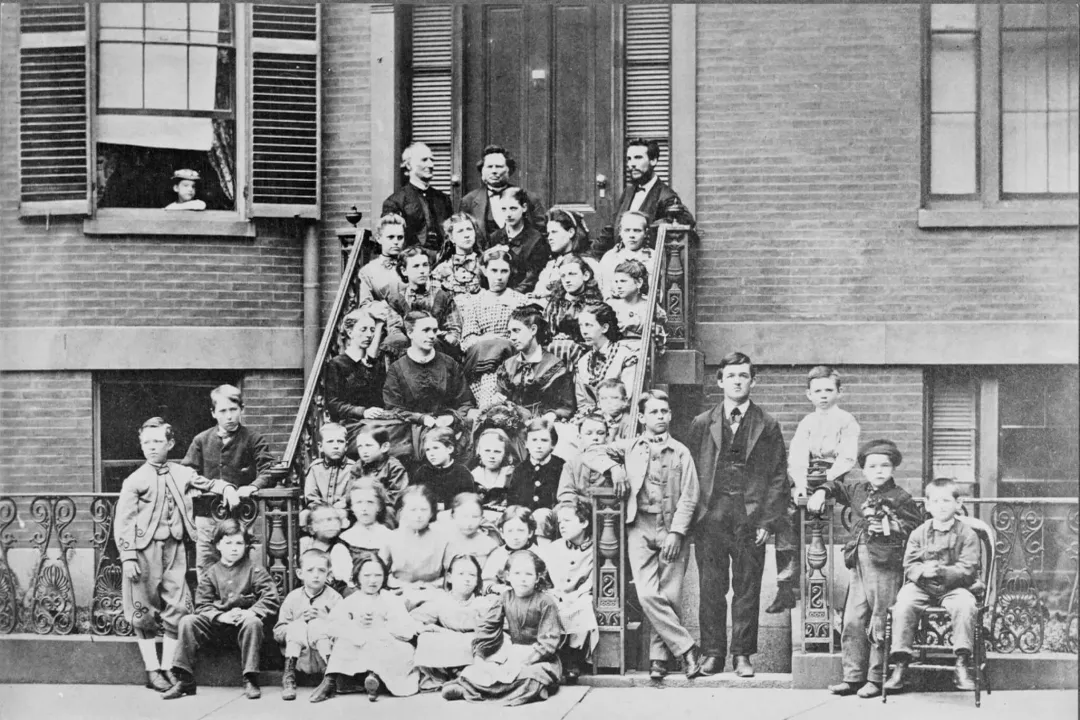
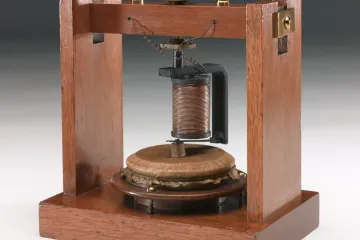
The actual development of the telephone stemmed from Bell’s experiments with the harmonic telegraph. [3][5] This device aimed to modulate different musical tones carried over telegraph wires simultaneously, allowing for an increase in the speed and capacity of electrical communication. [5] Bell and his assistant, Thomas Watson, were working on this multi-tone telegraph concept when the critical breakthrough occurred in 1876. [5][3]
While trying to perfect the mechanism for transmitting musical notes, Bell sought a method to create continuous, undulating currents—the very type needed to carry the complex waveforms of the human voice, unlike the simple make-and-break signals of traditional Morse code. [3] This pursuit of continuous electrical variation, intended to replicate the continuous nature of speech vibrations, is where the famous moment occurred. [5] The need to improve the speed of the telegraph inadvertently led him to the mechanism for the telephone. [6]
It’s important to recognize the synergy here. If Bell had been purely a telegrapher, he might have been satisfied with improving coded transmission speed. Because he was first and foremost a teacher of sound, he was dissatisfied with anything less than the full fidelity of the human voice. His initial motivation was acoustic mastery; the electrical application was the tool that arose from that mastery. This shift from pedagogy to telephony, though seemingly a departure, was actually an escalation of his core mission: making vocal communication unbound by distance. [3][5] We can summarize the evolution of his focus in his primary communication endeavors like this:
| Phase | Core Discipline | Primary Goal | Direct Personal Driver |
|---|---|---|---|
| Early Career | Elocution/Pedagogy | Teaching the Deaf to Speak | Mother’s Hearing Loss |
| Mid-Career Experiments | Acoustics/Telegraphy | Transmitting Tones/Speech | Desire for Connection with Wife |
| Mature Invention | Electrical Engineering | The Telephone | Commercial viability & universal voice |
# Other Inventions
Bell’s motivation did not cease with the telephone’s success. In fact, the financial freedom afforded by his corporate success allowed him to return to his earliest passions, often in pursuit of communication improvements. [1] He continued to work on devices related to sound. For instance, he invented the photophone, which transmitted sound on a beam of light, essentially an optical telephone—a clear extension of his desire to move sound transmission away from physical wires. [1]
He also significantly contributed to the development of the graphophone, an improvement on the phonograph, seeking better methods for recording and replaying the spoken word. [1] Even his work in aeronautics and hydrofoils can be loosely connected to his persistent interest in physics and motion, a fascination rooted in analyzing the physical mechanics of sound and speech production. [1] His entire scientific life can be viewed as a continuous quest to capture, transmit, or enhance the human voice and its surrounding sounds, driven by the personal connection that voice represents. [9]
Bell's motivations were never purely mercenary; they were deeply personal and professional, anchored in his family history and his commitment to the deaf community. The invention that made him famous was merely the most successful application of a lifelong pursuit to conquer the limitations of the human ear and the constraints of distance on spoken language. [1][4][7]
Related Questions
#Citations
Alexander Graham Bell - Wikipedia
The Story Behind the Telephone | The Franklin Institute
The Story Behind the World's First Telephone
Ahoy! Alexander Graham Bell and the first telephone call
Alexander Graham Bell Biography, Facts, Inventions, & Honors
Alexander Graham Bell and Bell Telephone Co. -- 1873-1878
Graham Bell Motivation - 741 Words - Bartleby.com
Alexander Graham Bell: The Inventor Who Transformed ...
Alexander Graham Bell - Linda Hall Library