What did Thomas Edison first make his impact on culture and society?
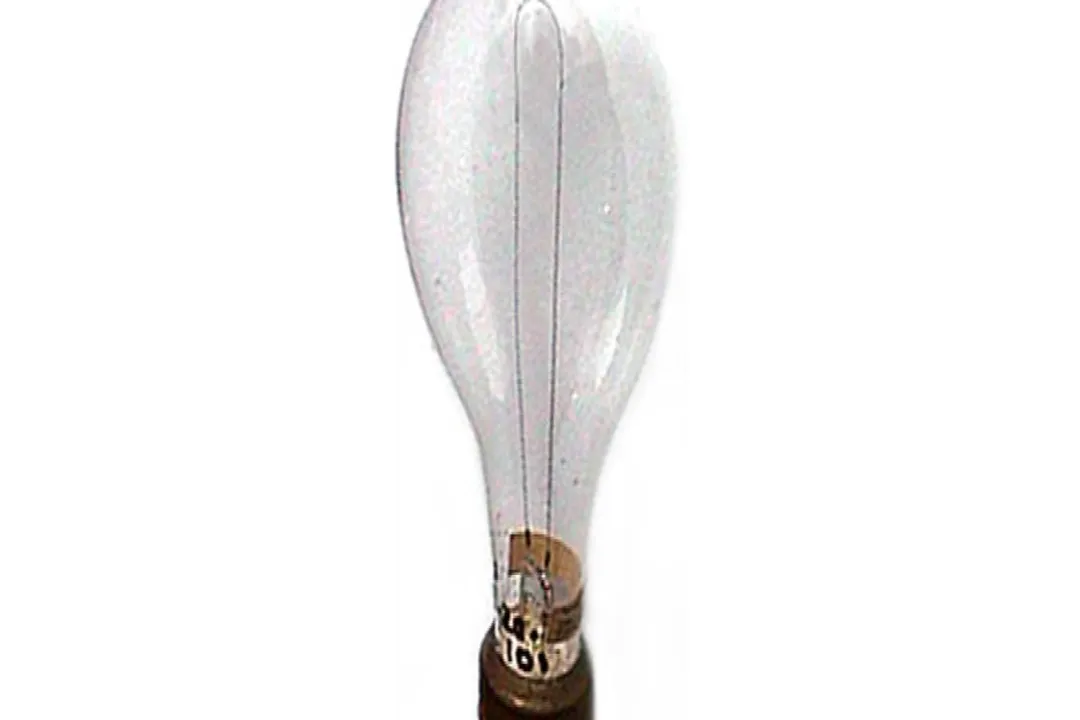
Thomas Alva Edison’s entrance onto the world stage was not a single grand announcement but a series of increasingly transformative developments that rapidly recast American and then global society. Before he became known as "The Wizard of Menlo Park", [1] his early successes were focused on improving existing communication technology, such as the stock ticker. [3][4] However, his truly defining initial impact came from two areas that touched nearly every aspect of daily life: the capture and playback of sound, and the creation of a practical, commercially viable system for electric light. [1][4][5] These innovations were underpinned by a completely new approach to invention itself.
# Research Lab
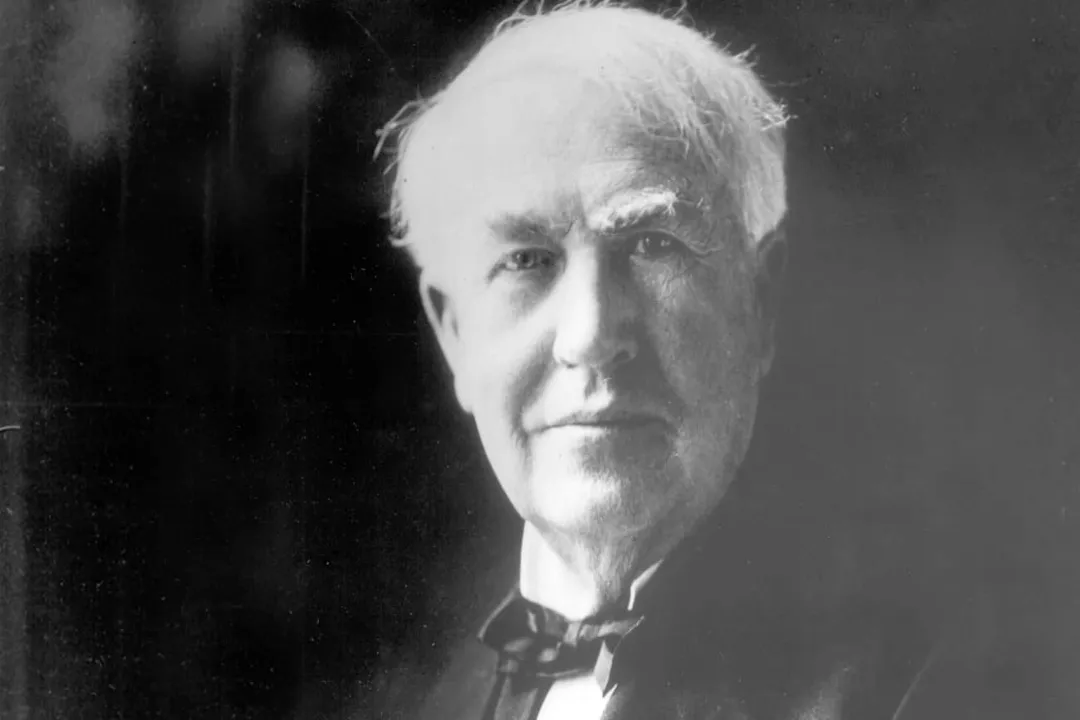
Perhaps the most enduring, yet least visible, initial impact Edison made was on the process of innovation. He established the first industrial research laboratory in Menlo Park, New Jersey. [3][9] This was a radical departure from the traditional model of invention, which often relied on the solitary genius working in a private workshop. [7] Edison transformed invention into an industrial enterprise, a place where a team of skilled individuals worked systematically toward defined commercial goals. [3][9] This shift effectively professionalized the act of invention, moving it from an erratic pursuit of individual brilliance to a repeatable, organized business function. [7]
The laboratory wasn't just a collection of tools; it was a manufacturing plant for ideas. [9] Edison's genius often lay not in creating something entirely new from scratch, but in refining existing concepts until they were robust, long-lasting, and, most critically, marketable. [7] For instance, others had created incandescent lights before him, but Edison’s team relentlessly pursued the perfect filament and the necessary supporting infrastructure to make it commercially dependable. [8] The existence of this structured environment meant that once a problem—like making a light last longer than a few minutes—was identified, dedicated resources were immediately mobilized to solve it. [3] This model of organized, goal-oriented research became the blueprint for corporate research and development departments that would drive technological advancement throughout the twentieth century. [7][9] The culture changed from one of isolated discovery to one of applied discovery managed like any other business process.
# Sound Captured
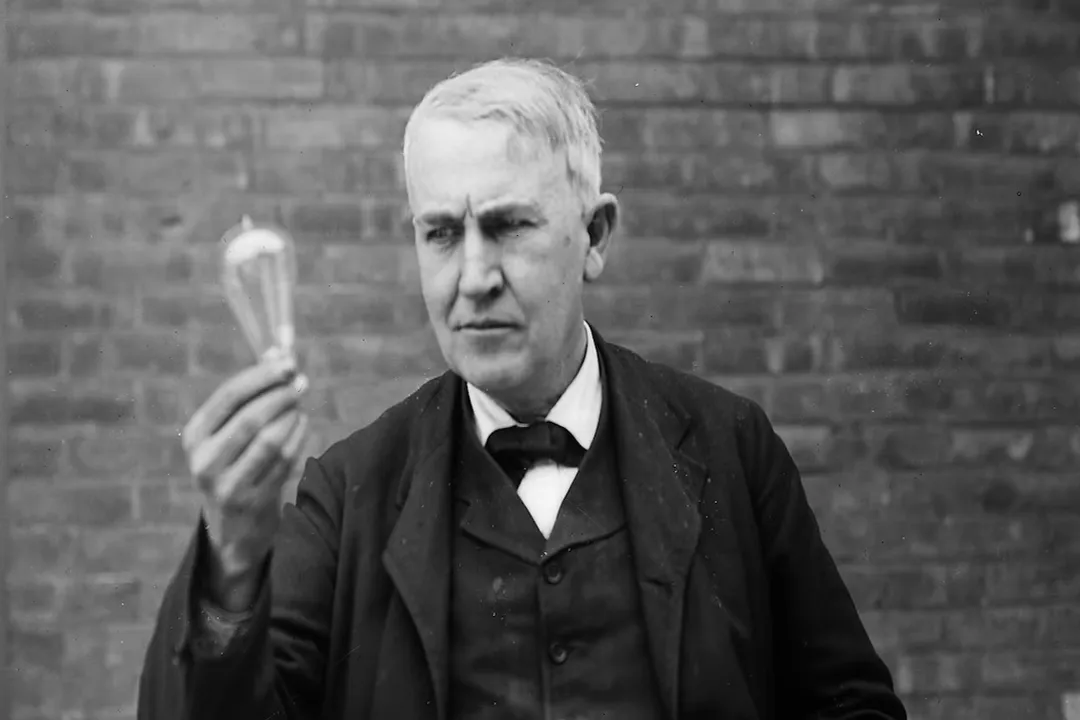
The introduction of the phonograph in 1877 marked a profound moment where culture intersected with technology in a completely new dimension: the ability to record and replay the human voice and music. [1][5] When Edison demonstrated this device, which worked by indenting a vibrating stylus onto a tinfoil-wrapped cylinder, the public reaction was one of stunned disbelief. [1] Before this, sound was ephemeral; once spoken or played, it vanished forever. The phonograph offered permanence to the transient nature of audio.
This invention immediately opened avenues for entertainment, communication, and historical preservation that simply did not exist before. [4] Imagine the cultural shock: a machine that could repeat a person's exact words or musical performance back to them hours or days later. It introduced the concept of recorded media to the general public, establishing a new form of personal and mass entertainment. [1] While the very first phonographs were crude—the sound quality was rudimentary—they demonstrated the core principle that sound waves could be physically captured and reproduced. [2] This singular achievement demonstrated Edison’s capacity to create entirely new consumer markets, setting the stage for the massive recording industry to come.
# Illuminating Cities
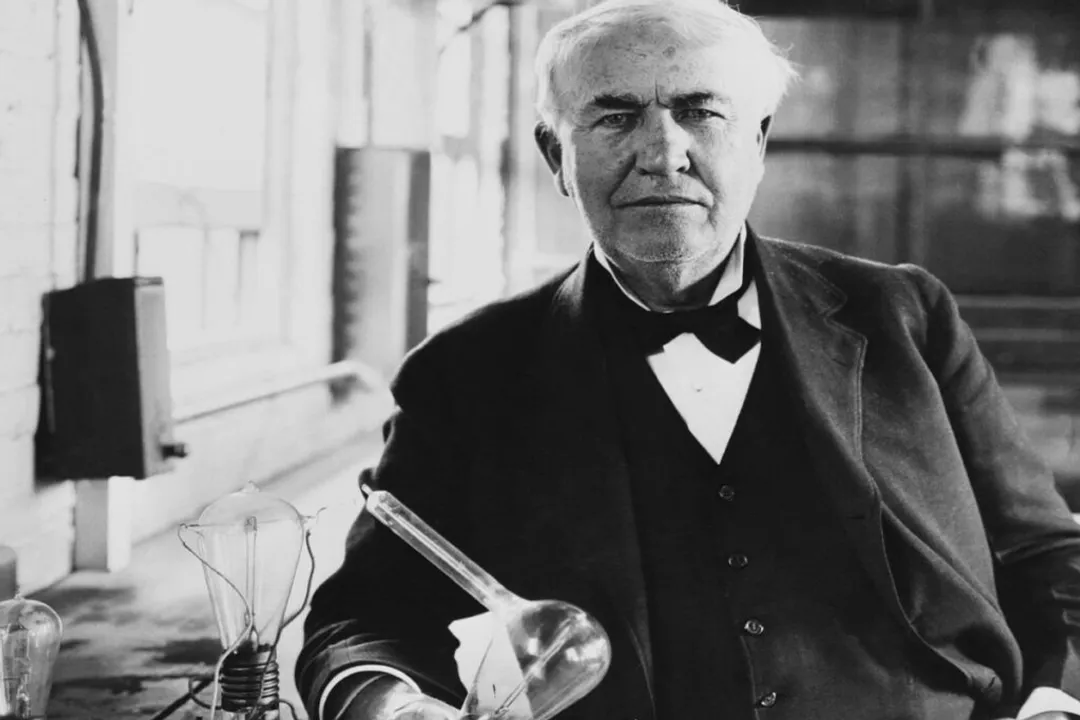
While the phonograph changed leisure and communication, the practical electric light bulb, and more importantly, the electrical system that supported it, fundamentally reshaped the physical landscape and daily rhythms of society. [1][4] Edison’s pursuit was not merely to create a bulb that glowed, but to create a complete, functional, and safe electric utility that could replace gas lighting in homes and streets. [6][8]
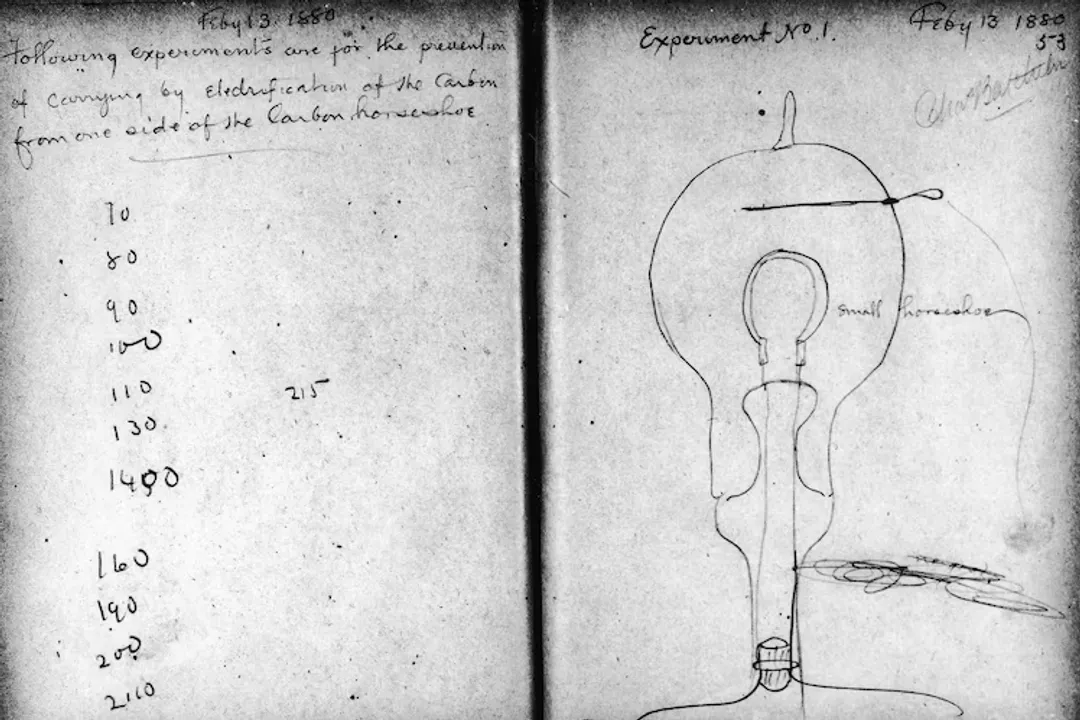
The challenge he and his team overcame in the early 1880s involved balancing the vacuum inside the bulb, finding a filament that could burn brightly for an extended period—eventually settling on carbonized bamboo filaments—and designing a way to distribute the electricity effectively. [8] His success wasn't just the bulb; it was the entire infrastructure: the centralized power stations, the wiring standards, the sockets, and the meters necessary to bring continuous, reliable light into urban environments. [4][6]
This transition had an immediate and deep societal effect. The ability to easily and affordably illuminate interiors meant that working hours were no longer strictly tethered to daylight. Businesses could operate longer, and domestic life extended into the evening, changing social patterns overnight. [1] Furthermore, moving away from gas lighting—which required constant maintenance, produced heat, and carried fire hazards—represented a major leap in public safety and environmental quality within cities. [6] When considering the cultural shift, it is useful to compare the localized, labor-intensive nature of previous lighting methods with the centralized, automated delivery Edison pioneered. Gaslight required a lamplighter on every block and carried the inherent risk of open flame; electric light was delivered on demand via wires, creating an expectation of instant, controlled illumination that became the bedrock of modern urban existence. [8] The sheer scale of this required engineering, managed out of Menlo Park, stands as one of his most colossal initial impacts on infrastructure. [7]
# Early Communication Wins
Before the public saw the light bulb or heard the first recorded song played back in their homes, Edison had already made significant waves in the specialized field of communication. His early work focused on improving the speed and efficiency of the existing telegraph system. [3] After securing patents for an improved stock ticker, which relayed prices across the country almost instantly, he made enough money to fund his ambitious experiments at Menlo Park. [3][4]
The stock ticker was an early example of his philosophy: take an existing technology that is profitable but flawed and redesign it to be faster and more reliable. [3] This allowed him to generate the capital necessary to tackle the much larger, riskier projects like electric light. [4] While the phonograph and the light bulb changed culture, the stock ticker changed commerce—it accelerated the pace of financial markets by providing immediate, centralized information, making the flow of capital faster and more interconnected long before the general public felt the benefits of his later consumer goods.

# Synthesis of Impact
Edison’s first major cultural and societal footprint was multifaceted. It was a tripartite transformation: how we invent (the industrial lab), how we entertain (the phonograph), and how we structure our days and cities (the electric system). [1][9] While many inventors tinkered with single devices, Edison’s unique contribution was realizing that individual inventions were only as good as the system built around them. [4][7] The light bulb alone was a novelty; the network of power generation and distribution that could support thousands of bulbs in a city was revolutionary infrastructure. [6]
In essence, Edison’s initial wave of success didn't just give people new gadgets; it gave them a template for the modern technological age. He proved that persistent, systematic engineering, backed by industrial organization, could solve enormous societal problems and create entirely new economic realities based on instant access to light and sound. [1][7] The transformation from the solitary tinkerer to the professional inventor managing an enterprise was, in itself, one of the most significant and lasting contributions he made to the structure of modern society. [9]
Related Questions
#Citations
Thomas Edison - Wikipedia
When did Thomas Edison first make his impact on culture ... - Brainly
Thomas Edison and the Process of Invention | New Jersey Digital ...
Thomas Edison Legacy - Confinity
Thomas Edison Inventions
Edison's Lightbulb | The Franklin Institute
Inventor and visionary: Thomas Edison's legacy - Royal Society
Thomas Edison didn't invent the light bulb—but here's what he did do
Thomas Edison: Inventor of the Light Bulb & Innovation Pioneer