What makes Kodak film cameras special?

The enduring appeal of Kodak film cameras rests on a fascinating blend of historical significance, tactile engagement, and an aesthetic quality that digital photography, despite its immense technical superiority, often struggles to replicate. It’s less about simply taking a picture and more about participating in a tangible process, one rooted in over a century of photographic innovation. The very name "Kodak" became synonymous with photography itself, largely because of its revolutionary approach to making the medium accessible to everyone, not just professionals.
# Historical Access
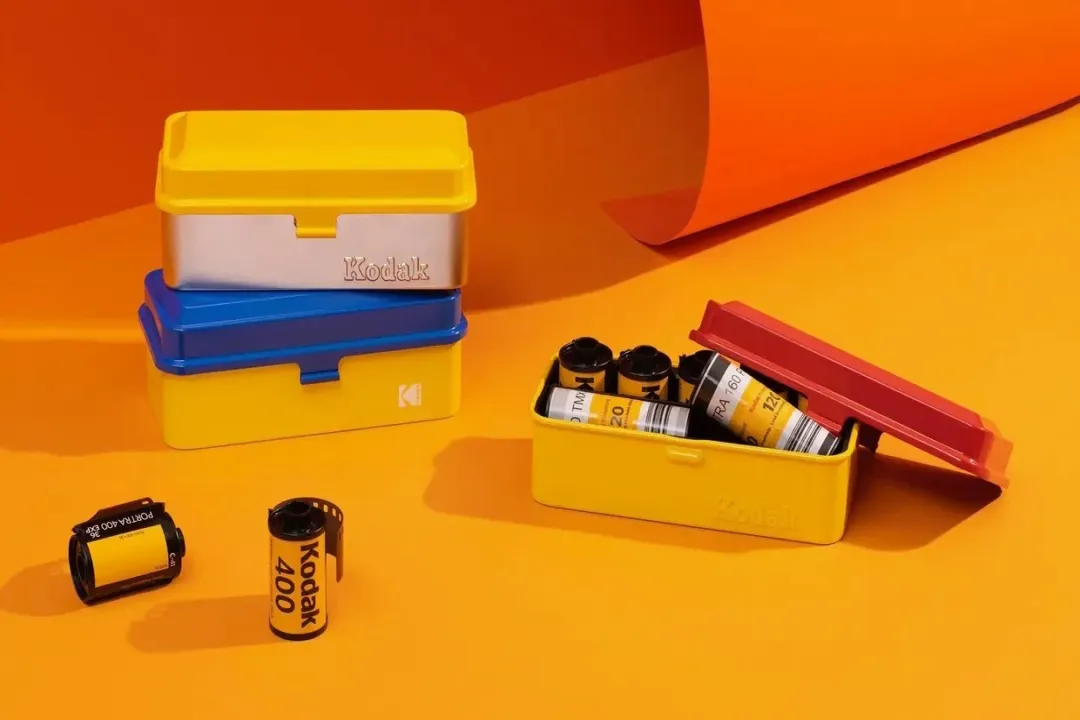
Kodak’s initial success was built on democratizing photography. George Eastman understood that the barrier to entry wasn't just the camera; it was the complexity of developing film. His philosophy, famously embodied by the early slogan, "You press the button, we do the rest," fundamentally changed who could document their lives. This established a legacy of user-friendliness, even if the cameras being discussed today are often more mechanically complex than the original Brownie models. Understanding this history shows that Kodak’s presence in the market is defined by a deep-seated authority in the amateur space.
The brand’s long history means that a vast ecosystem of gear exists, from durable vintage SLRs to point-and-shoots, many of which still function quite well today. When people look at Kodak cameras, they are often looking at a piece of industrial design history that was built to last decades, a stark contrast to the planned obsolescence common in other electronics.
# Film Aesthetics
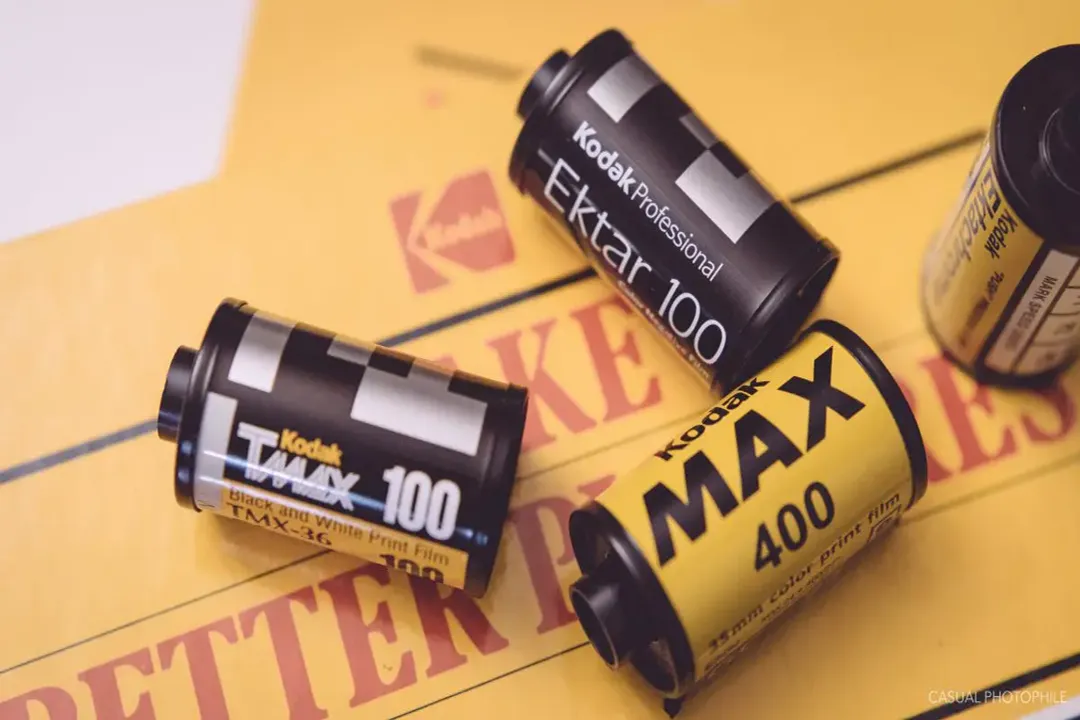
The primary differentiator for many enthusiasts lies in the resulting image. While digital sensors capture light with supreme accuracy, film renders it with a distinct characteristic that many find more pleasing or evocative. This appeal often centers on the physical properties of the emulsion. Film grain, the visible texture created by silver halide crystals, behaves differently from digital noise. Grain is organic, varying in size and distribution based on the film stock, while digital noise tends to be more uniform and mathematically structured.
The specific chemistry used by Kodak across its various film stocks imparts unique color science. For example, different negative films handle skin tones, shadow detail, and highlight roll-off in ways that are immediately recognizable to an experienced eye. Some stocks are known for their punchy saturation, while others favor a more muted, creamy tonal range. This predictability, paradoxically, is what makes shooting film exciting; the outcome is controlled randomness. When you load a roll of Kodak Portra, you are trusting a specific chemical recipe developed over decades to interpret the scene.
It is worth noting that the pursuit of that specific "film look" in digital photography often involves complex processing and emulation, yet many argue that the genuine article—the physical artifact of the exposed and developed negative—possesses a depth that digital simulations merely approximate. The look of a true Kodak print, made from a processed negative, is often characterized by subtle halftones and an unmistakable organic warmth.
# Physical Connection

The special nature of Kodak film cameras is also deeply tied to the physical interaction required to operate them. Shooting film enforces a discipline that digital shooting rarely demands. With a limited number of exposures—say, 24 or 36 frames per roll—the photographer must slow down and consider each shot more carefully. This enforced mindfulness is a core part of the experience.
Contrast this with a modern digital camera where discarding a poorly exposed photo takes zero cost or time. On film, every mistake costs money, time, and development potential. This reality encourages a different relationship with the camera itself—it becomes a thoughtful tool rather than a mere capture device. The mechanical act of winding the film advance lever, hearing the shutter cock, and manually setting aperture and shutter speed connects the photographer directly to the mechanics of image-making.
Thinking about the workflow, there is a necessary pause between capture and review. This delay, often days or weeks, creates anticipation and allows the photographer to process the images mentally before seeing them physically. If we consider the "cost" of a photograph, digital processing is nearly free, whereas film incurs tangible material costs for the film itself and for lab development. This economic reality creates a self-imposed quality filter: you simply shoot better when you know you have to pay for the result. This forced deliberate pace is an element of the camera’s "specialness" that digital fundamentally altered, and film keeps alive.
# Manufacturing Expertise
A key factor in the current mystique surrounding Kodak is that, unlike many other legacy brands that licensed their names or stopped analog production entirely, Kodak still makes film. This is not merely re-boxing old stock; it involves complex, modern chemical engineering to maintain quality.
Kodak actively works to keep its film lines viable, demonstrating expertise in a niche that is technically challenging to sustain. While they have stopped manufacturing certain camera bodies, their commitment to the emulsion itself is a major reason the ecosystem survives. Film manufacturing requires incredibly precise coating processes, layering multiple chemical coatings onto a base material to capture color information accurately. Kodak’s ability to maintain the consistency of stocks like Ektar or Portra over decades is a testament to their specialized knowledge.
One aspect often overlooked in discussions about film resurgence is the supplier chain itself. While Kodak produces the raw film material, the cameras themselves—the mechanical devices needed to expose that film—are often sourced from other companies, sometimes refurbished vintage models, or new cameras made by third parties that simply use Kodak film. Kodak’s ongoing role is as the provider of the magic medium.
To put this in perspective regarding modern challenges, imagine a high-end car manufacturer. They might still produce the engine block perfectly, but if the specialized steel mills that supply their unique alloys shut down, the engine production stops, regardless of their blueprints. [1] Kodak is actively ensuring those unique alloy equivalents—the chemical layers on the film base—are continually produced, which is a massive technical feat in a digital-first world.

# Current Offerings
For those looking to engage with Kodak film cameras, the landscape involves both looking back and looking forward. The company continues to provide various film types, which serve different creative needs.
When selecting a film, a photographer must decide based on several factors:
- Film Speed (ISO): How sensitive the film is to light, affecting grain size and low-light capability.
- Color Palette: Whether the user prefers warm, cool, neutral, or specific color shifts.
- Grain Structure: The desired texture of the resulting image.
Kodak’s current catalog includes well-known lines like Kodak Gold for general use, Kodak Ektar for fine detail and vibrant color, and Kodak Portra favored for portraiture due to its smooth skin tones. The fact that these consumer-grade films, along with professional stocks, are still being manufactured and distributed speaks volumes about the brand's continued relevance in the consumer space. Even their digital cameras sometimes aim to replicate the film experience, showing the brand’s influence spans both mediums.
# Embracing the Analog Toolset
The appeal of Kodak film cameras often centers on the analog toolset as a whole. While digital cameras offer speed and immediate feedback, film cameras offer a different set of creative constraints and rewards.
Consider the difference in handling light metering. In a modern digital workflow, you can bracket shots easily, review the histogram, and instantly adjust. With a mechanical Kodak SLR, perhaps a K1000 or an Ektramat, the user must rely on an external meter or sunny-16 rules, building an intuitive understanding of light physics that digital aids often obscure.
This mechanical competence leads to another layer of appreciation. When a vintage Kodak camera, perhaps one designed in the 1970s, still exposes a modern roll of film perfectly, it testifies to exceptional mechanical engineering. The cameras are special not just because they use film, but because the vehicles designed to hold and expose that film were often built with materials and tolerances intended for a longer lifespan than typical consumer electronics today. If you look at the resurgence in the used market, the fact that these mechanical marvels can still be brought back to life and put to work proves their intrinsic value beyond their current market price.
For someone looking to enter this world, the actionable tip is to first decide on the type of film aesthetic you want to chase, then find a suitable mechanical camera that complements it, rather than the reverse. For example, if vibrant colors are the goal, seek out a camera known for reliable, sharp optics to best render the detail of a stock like Ektar, rather than choosing a worn, entry-level body that might introduce focus errors. [2]

# The Future of Film Chemistry
The commitment by Kodak to maintaining film production also involves an evolving relationship with science. They are not static; they continue to refine the processes to meet modern regulatory and quality standards. This means that while the spirit of the film remains the same, the underlying chemistry is often made "smarter" through modern analytical techniques. They are adapting their manufacturing platforms, sometimes using repurposed equipment or modernized chemical baths, to ensure that the layers of silver halide crystals remain stable and predictable despite shifts in raw material sourcing over the years.
This dedication is crucial because the chemistry is incredibly sensitive. The way the silver crystals are sensitized to different wavelengths of light, and how they react during development, is a delicate balancing act. Kodak’s sustained investment here is what differentiates their film from the smaller, experimental batches produced by other analog entities. It solidifies their position as the primary authority in traditional emulsion technology.
In essence, what makes Kodak film cameras special is the complete package: the weight of history they carry, the tactile satisfaction of manual operation, the distinct and beautiful chemical rendering of light, and the fact that the core consumable—the film itself—is still being actively manufactured by the original masters of the craft, ensuring the analog experience remains a living, rather than purely historical, pursuit.
Related Questions
#Citations
Kodak - Understanding the Product Line - About photography blog
What's up with Kodak making these amazing (on paper) cameras at ...
Film Cameras | Kodak
The Timeless Charm of Kodak Film: Why Shooting on Film Prevails ...
Kodak and the Rise of Amateur Photography
The Rise and Fall (and Rise) of Kodak Film | Analogue Wonderland
Kodak - Wikipedia
What is Kodak doing with their old film cameras? - Quora
A Quick Guide to Kodak Film - Casual Photophile
How does Kodak make film? Smarter Every Day!