Who invented the accelerometer?
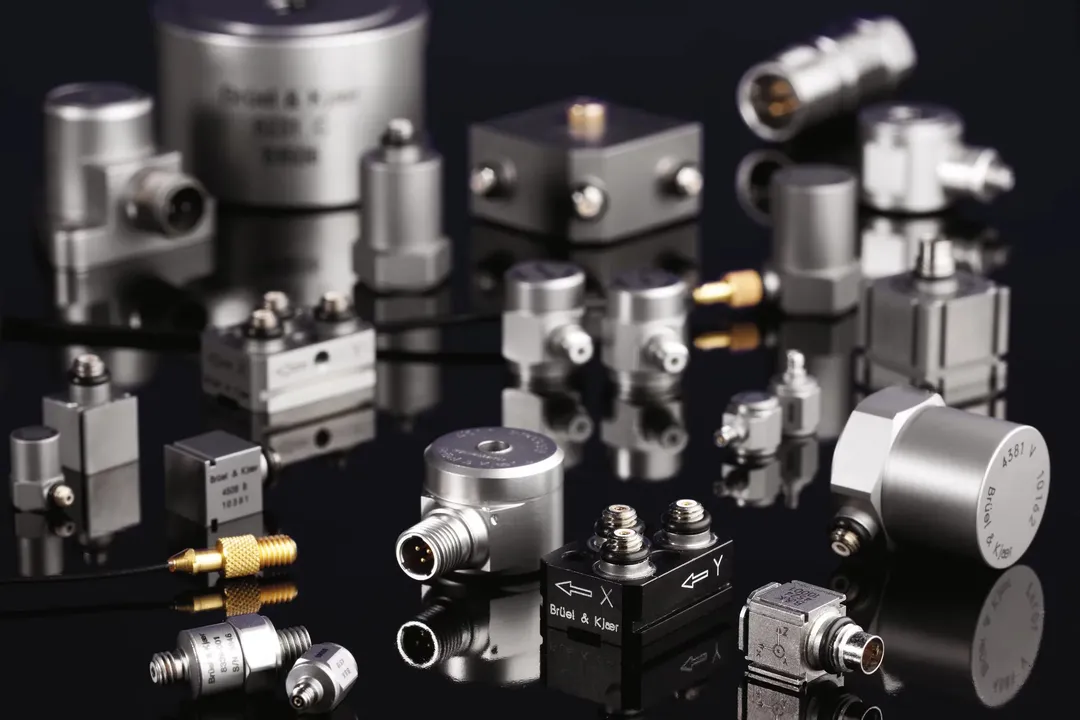
The history of the device we now call the accelerometer is not a single, neat narrative pointing to one solitary genius in a specific year. Instead, it is a fascinating story of evolving physics principles, starting from simple observations of inertia and culminating in sophisticated micro-electronics that fit inside a smartphone. [7][9] To ask who invented it requires us to first decide what kind of accelerometer we mean: the conceptual framework of sensing acceleration, or the reliable, robust electronic transducer that engineers rely on today. [9] The fundamental idea—that mass resists changes in motion—has been understood for centuries, underpinning early seismometers and pendulums designed to record vibrations or shocks. [6][7]
# Inertial Roots
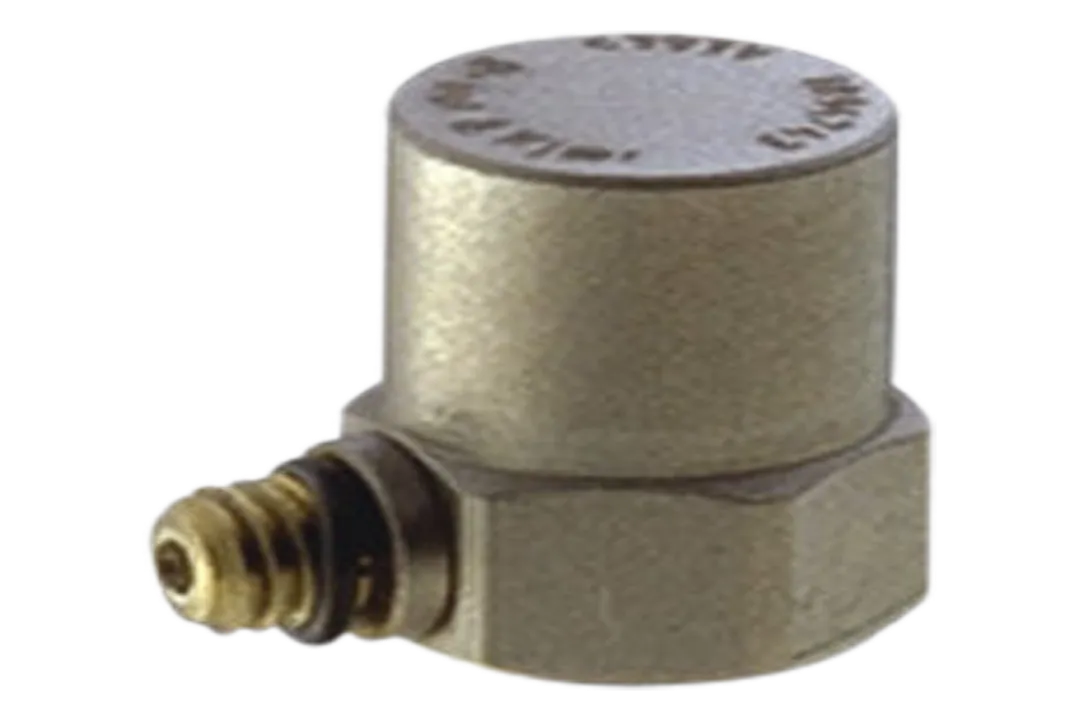
Long before electricity was harnessed for measurement, the principle of inertia was the core concept. An object at rest tends to stay at rest, and an object in motion tends to stay in motion unless acted upon by an external force. Measuring acceleration essentially means measuring this inertial reaction. [9] Early instruments, such as mechanical seismographs, acted as rudimentary accelerometers, relying on a suspended mass whose displacement relative to the instrument body indicated the ground motion. [6] While these devices measured velocity changes or displacement over time, they captured the effect of acceleration, providing a historical foundation for later inventions. [7]
These early mechanical recorders, sometimes used in transit or for impact testing, often relied on stylus-on-soot or inked-drum methods to create a physical record of movement. [7] They were bulky, sensitive to orientation, and required post-processing to derive acceleration values, but they established the need for a device to quantify movement changes accurately. [9]
# Electrical Sensing
The major technological shift occurred when scientists moved away from purely mechanical linkages to electrical transduction—converting physical motion into a measurable electrical signal. [4] This evolution gained significant momentum in the mid-20th century, particularly driven by the demands of the burgeoning aerospace industry, which needed reliable ways to monitor the violent stresses of rocket launches and flight maneuvers. [4][5]
The key scientific breakthrough that enabled the modern device was the discovery and application of the piezoelectric effect. [4] Certain crystalline materials, like quartz, generate an electrical charge when subjected to mechanical stress or strain. [4][6] By carefully mounting a seismic mass onto such a crystal, any acceleration applied to the sensor housing creates a measurable charge proportional to that acceleration. [4] This mechanism allowed for a much smaller, faster-responding sensor compared to the older mechanical systems. [4][6]
# Kistler Innovation
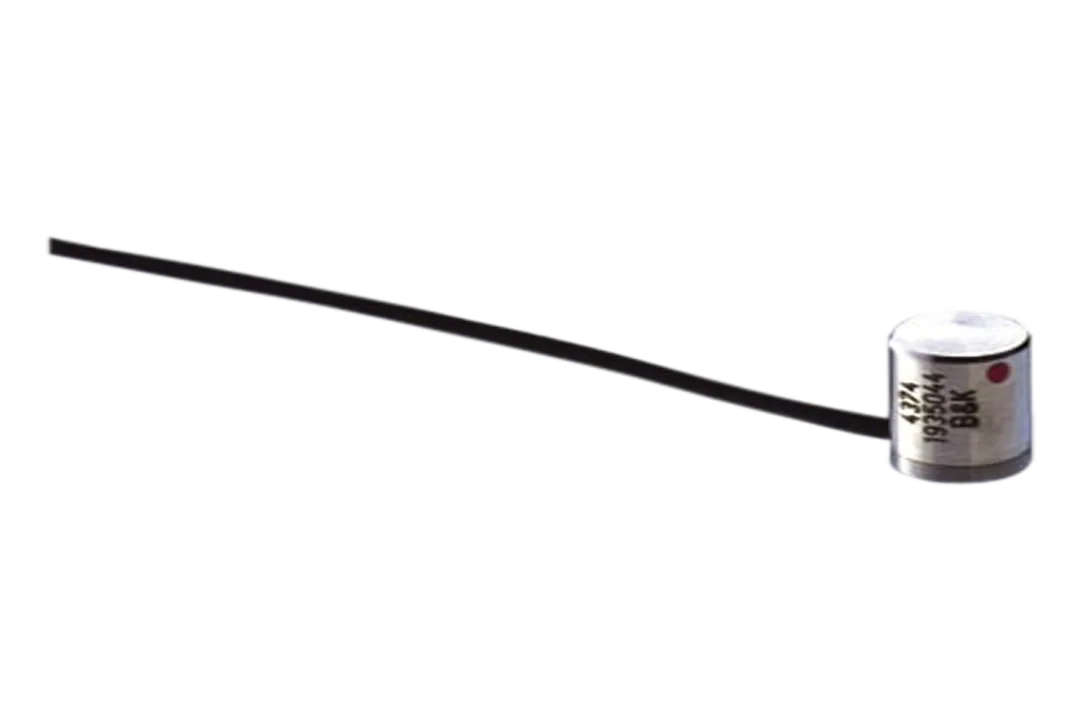
If one name is most closely associated with perfecting the modern electronic accelerometer, it is Walter P. Kistler. [5] Kistler, working in the 1950s and 1960s, refined the design and manufacturing processes for piezoelectric sensors, making them practical for widespread engineering use. [5][4] He is frequently credited with developing the seismic element and packaging it into the robust, reliable form factor that became industry standard. [5]
A crucial aspect of Kistler's work, often cited in histories of instrumentation, was the development of what became known as the IEPE (Integrated Electronics Piezo-Electric) or ICP (Integrated Circuit Piezoelectric) sensor. [4] Earlier piezoelectric sensors required high-impedance cables and separate charge amplifiers, making them susceptible to noise and environmental interference. [4] Kistler’s innovation involved integrating the necessary signal conditioning electronics inside the sensor housing itself. [4] This integration dramatically improved signal quality, allowing these accelerometers to be used reliably in harsh environments, such as monitoring engine vibrations or, critically, in automotive crash testing where instantaneous, high-fidelity data acquisition was non-negotiable. [4][5]
# Sensor Evolution
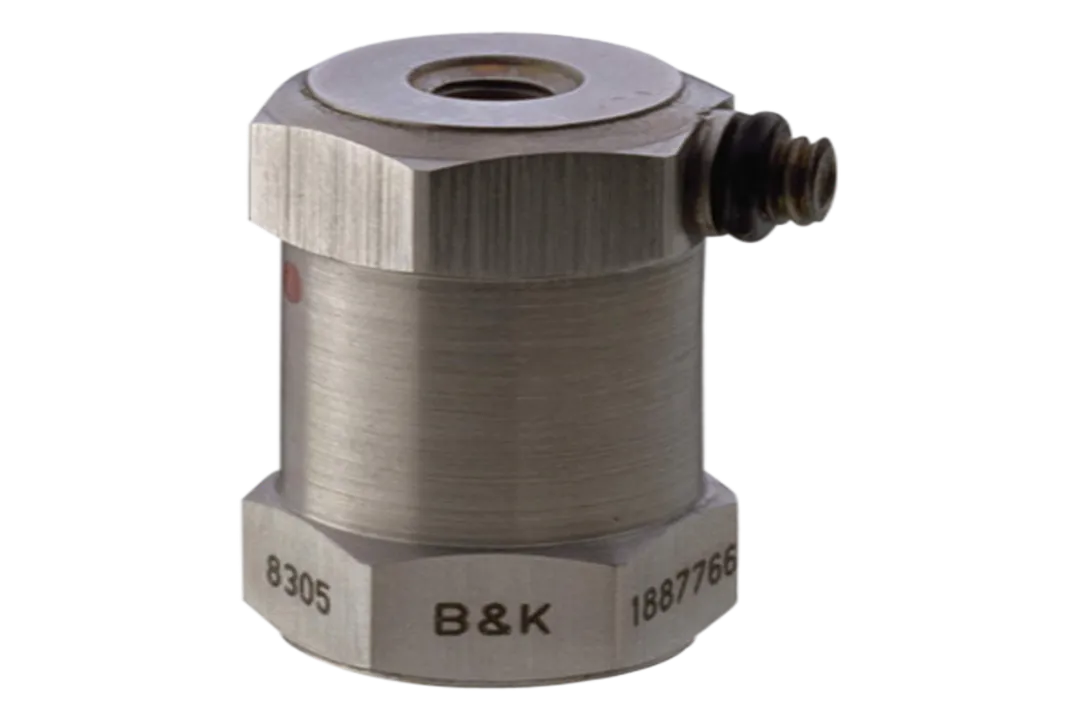
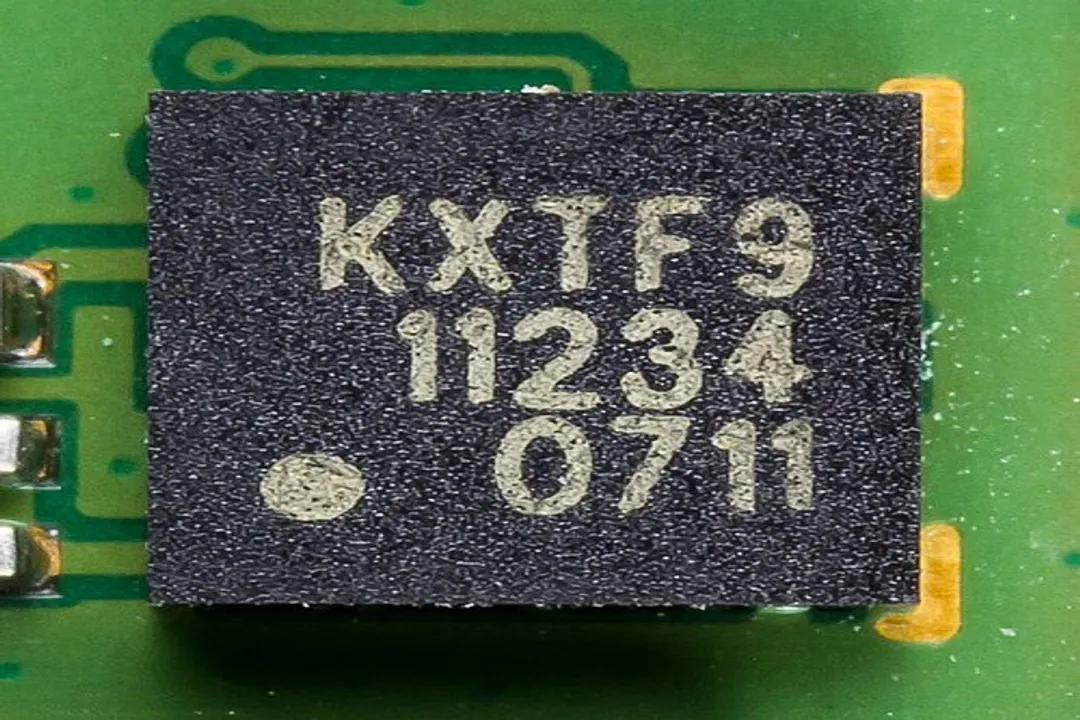
The development path following Kistler’s foundational work involved continual miniaturization and integration. Early piezoelectric sensors were relatively large, using crystals like quartz or tourmaline and requiring external charge amplifiers. [4][6] Contrast this with today's technology, where millions of accelerometers are manufactured using MEMS (Micro-Electro-Mechanical Systems) technology. [2]
MEMS devices, etched onto silicon wafers, function on similar inertial principles but achieve staggering size reduction and lower power consumption. [2] While MEMS sensors are the basis for detecting tilt, step counts, and orientation in consumer electronics, the high-g, high-frequency requirements of industrial testing (like modal analysis or structural dynamics) often still rely on the descendant of Kistler’s original piezoelectric quartz sensor technology. [6]
To appreciate the difference in application, consider the typical specifications: a consumer MEMS sensor might measure up to a few hundred 's and respond well up to a few kilohertz, whereas a specialized quartz IEPE sensor can measure tens of thousands of 's with responses extending well into the ultrasonic range. [6]
| Sensor Type | Primary Transduction | Typical Application | Key Advantage |
|---|---|---|---|
| Mechanical Recorder | Mass displacement | Historical shock recording | Conceptual proof |
| Piezoelectric (IEPE/ICP) | Quartz crystal charge | Aerospace, Crash Test | High frequency, ruggedness |
| MEMS | Piezoresistive/Capacitive | Consumer electronics, Tilt sensing | Size, low power, cost |
It is useful to make a distinction between the invention of the principle and the invention of the usable device. While early researchers identified the relationship between stress and charge in crystals, it took engineers like Kistler to package that sensitive crystal with the necessary electronics to create a practical, repeatable tool for industry. [4][5] The latter—the IEPE design—is arguably the true invention that unlocked the device's massive potential in engineering analysis. [4]
# Data Interpretation
Understanding the invention also requires recognizing how the measurement itself changed the nature of engineering analysis. When engineers moved to electrical sensors, they gained the ability to record data digitally and analyze it mathematically in ways that were impossible with inked drums. [9]
For anyone working with acceleration data, either from a high-end test setup or from a simple motion sensor in a portable device, one inherent property of the measurement must always be kept in mind: the zero point is not zero acceleration. [1][2] An accelerometer that is perfectly still, sitting on a desk, is measuring the constant downward pull of Earth's gravity, which registers as (or ) along the axis aligned with gravity. [1] This means that any reading you see is the net acceleration; the actual dynamic movement added onto the static gravitational field. Distinguishing between this static bias and the dynamic event being measured requires setting a proper reference or subtracting the expected offset from the raw signal before performing further analysis on the vibration or shock component. [2] This is a fundamental aspect of using any inertial sensor that goes beyond just knowing who designed the casing. [1]
# Contextualizing Measurement
The widespread success of the accelerometer stems from its ability to translate linear motion—something happening across an entire system—into a localized, quantifiable electrical signal. For instance, in running analysis, researchers use these sensors, often embedded in shoes or worn on the body, to precisely quantify parameters like ground contact time or vertical oscillation. [3] A specific finding in sports science research shows how highly sensitive accelerometers can detect subtle asymmetries in a runner's gait that are invisible to the naked eye or slower timing gates. [3] This capability—translating subtle physical reality into objective data—is the real legacy of the inventors who moved us past pure mechanics. [7]
The evolution is far from over. Today's research continues to explore new materials and transduction methods, trying to achieve even greater sensitivity at lower power budgets. However, the foundations laid by early inertial observers and cemented by the electrical engineering ingenuity of mid-century pioneers like Walter P. Kistler remain the benchmarks against which all modern motion sensors are compared. [4][5]
Related Questions
#Citations
The History of the Accelerometer
Sport Innovation/Accelerometers in Running/Introduction
Research Accelerometer | World of Invention
History of The Piezoelectric Accelerometer | Brüel & Kjær
Walter P. Kistler
History of The Piezoelectric Accelerometer | Brüel & Kjær
The History of the Accelerometer
Accelerometer
The history of the accelerometer 1920s-1996
Digital Accelerometers and Magnetometers