Who made the first car engine?
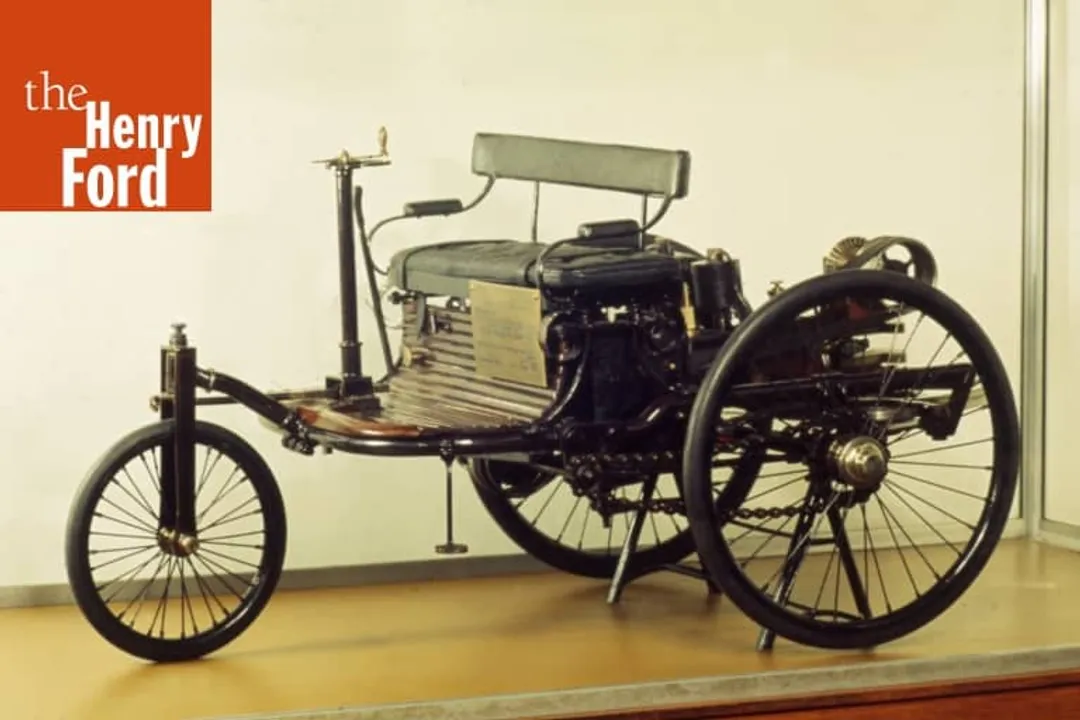
Tracing the lineage of the first true car engine requires separating the history of the internal combustion engine from the history of the automobile itself. Many brilliant minds contributed to the stationary engine that preceded vehicular use, but when asking who created the engine for the car, the consensus points firmly toward Karl Benz and his revolutionary 1886 creation. [2][6] His work was not merely an adaptation; it was a complete, integrated design for personal motorized transport. [1]
# Engine Precursors
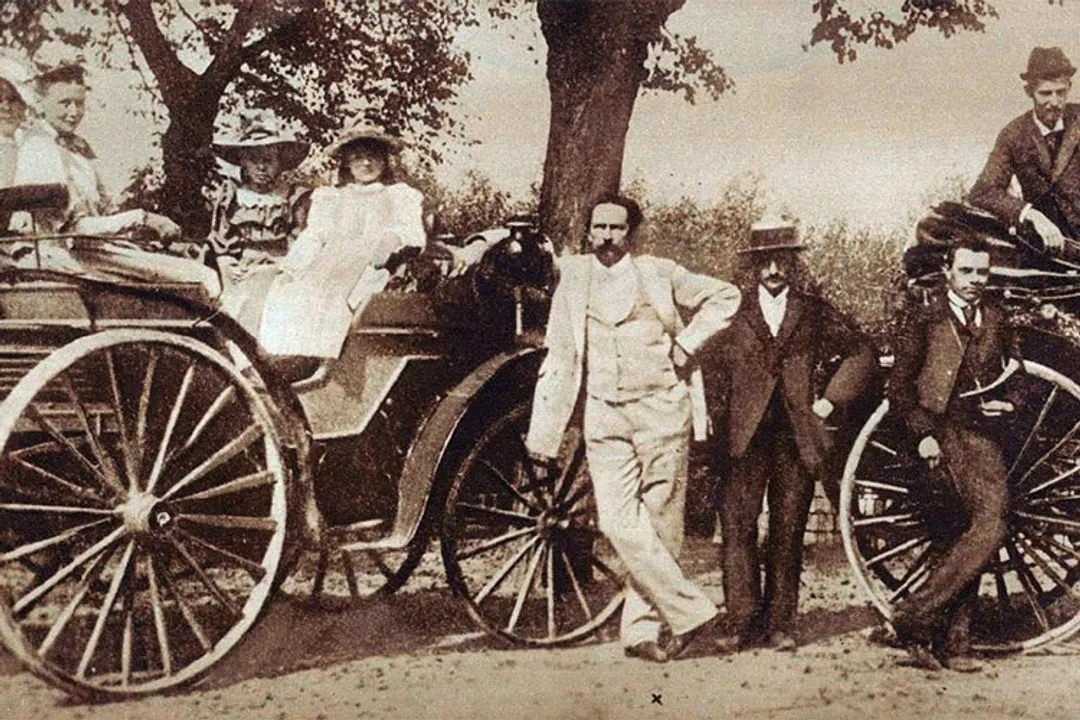
The groundwork for Benz’s success was laid by decades of experimentation with converting gaseous fuels into mechanical motion. Long before the first automobile, inventors were perfecting the internal combustion engine (ICE) concept. [5] A significant milestone arrived in 1876 when Nicolaus Otto patented his practical four-stroke engine, which improved upon earlier designs by introducing a system where the piston made four strokes for every power cycle: intake, compression, power, and exhaust. [5][10] This "Otto cycle" engine became the blueprint for most subsequent piston engines. [5]
However, the early ICEs were heavy, complex, and designed primarily to power machinery in stationary settings, such as factories or workshops. [5] The challenge for automotive pioneers was scaling down, lightening, and adapting this stationary power source for self-propelled motion. [1] Before Benz, figures like Étienne Lenoir had created gas engines, but they were less efficient and often operated on a two-stroke principle or used external ignition methods. [5] While these advancements established the principle of internal combustion, they did not yet produce the first car engine because they weren't designed as the primary mover of a dedicated vehicle. [10]
# Early Motorized Attempts
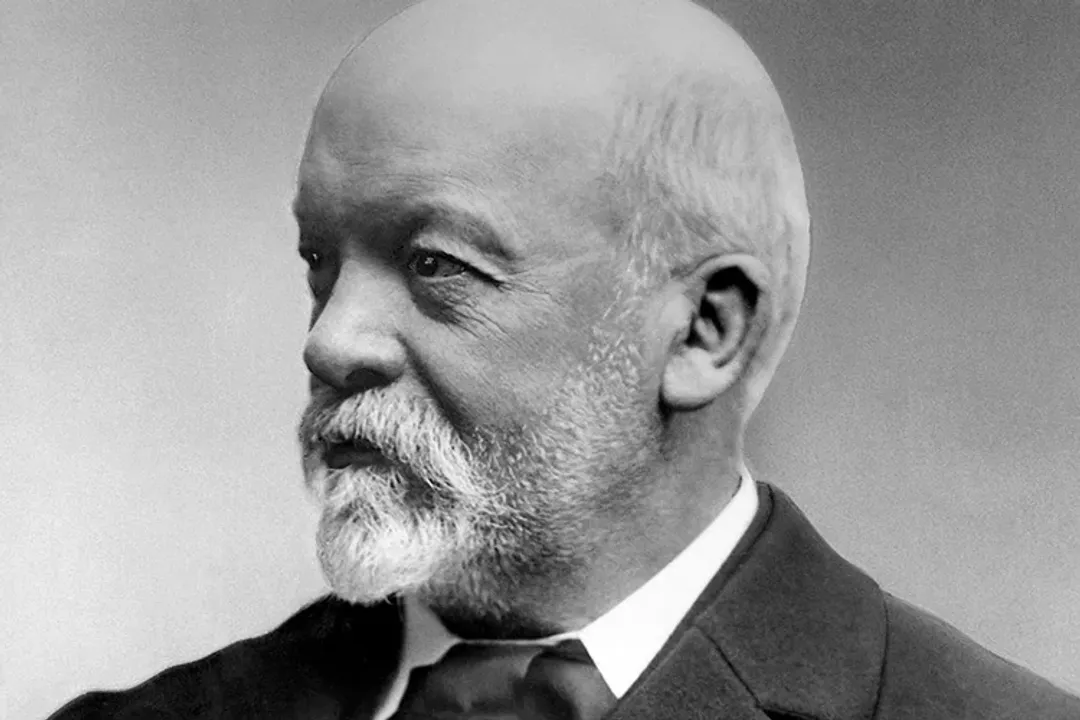
The historical record occasionally brings up other names when discussing early motorized vehicles, often leading to confusion about who truly pioneered the car engine. One frequently cited name is Siegfried Marcus of Vienna, who reportedly built a crude four-wheeled vehicle powered by an engine as early as 1870. [3] However, historical accounts suggest that Marcus’s machine was an electric-powered vehicle, or perhaps a later version used a rudimentary internal combustion engine for brief operation, often noted as being built around an existing carriage frame. [3] This distinction is important: Marcus’s work, while historically significant in mobility, does not secure the title for the first purpose-built automotive engine or the first successful, cohesive automobile powered by an ICE. [2]
The critical difference separating Benz from these earlier attempts often lies in the integration of the power unit. While others may have attached an engine—or even built an engine—to an existing horse-drawn carriage chassis, Karl Benz conceived of the entire system from the ground up specifically for mechanical propulsion. [1][2]
# Benz's Automotive Engine
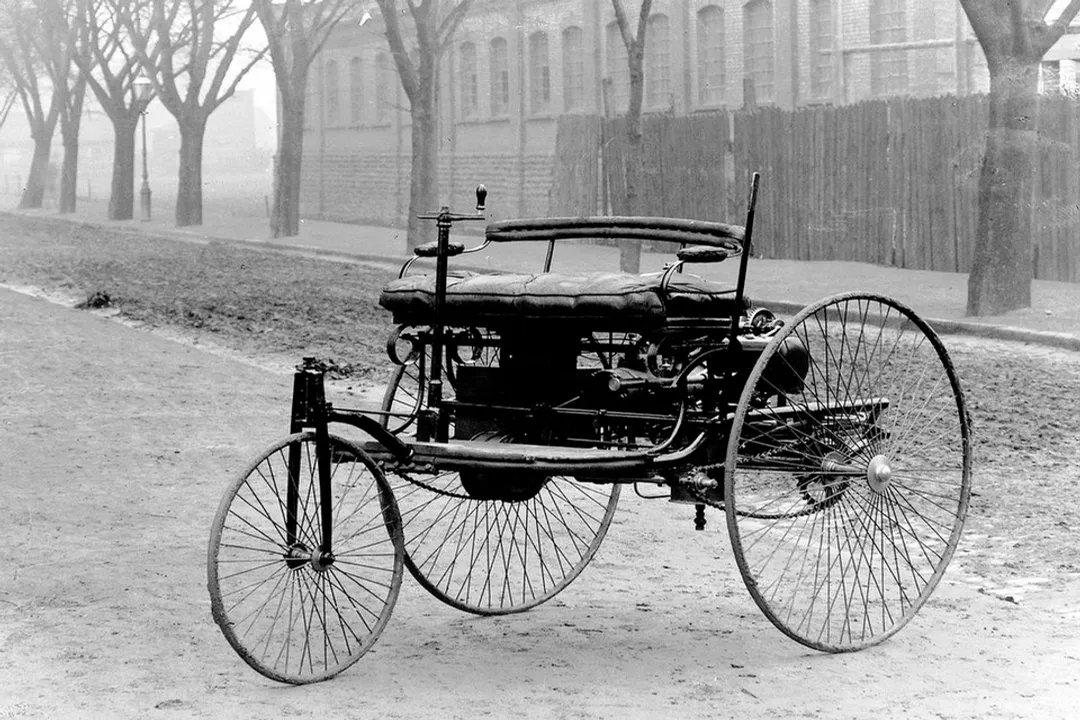
Karl Benz began developing his own two-stroke engine in 1879, but by the early 1880s, he recognized the potential of the four-stroke design pioneered by Otto. [1] Benz didn't just use an existing Otto engine; he significantly modified and improved upon the design to create his own light, high-speed engine specifically for his vehicle project. [1] This focus on creating a dedicated powertrain marks his claim to the first car engine.
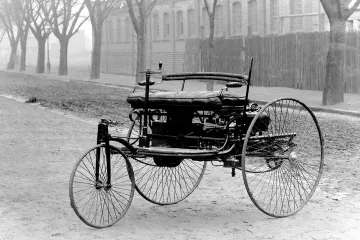
The engine built for the Benz Patent-Motorwagen, which received its official patent (DRP 37435) on January 29, 1886, was a marvel of compact engineering for its time. [1][2] It was a single-cylinder, four-stroke engine that ran on petroleum ether. [2] Unlike the massive stationary engines, Benz mounted his engine horizontally at the rear of the three-wheeled chassis. [1][2] The engine was water-cooled, achieving a respectable (for the era) output of about 0.75 horsepower at roughly 950 revolutions per minute. [2]
The engineering genius here wasn't just the power output but the packaging and reliability in a mobile context. Considering the state of materials science and manufacturing in the mid-1880s, developing a single-cylinder unit that could reliably turn wheels rather than just turn a lathe represents a massive leap in applied mechanical engineering. The horizontal orientation, while unusual today, distributed the weight effectively on the lightweight frame. [1]
| Feature | Benz Patent-Motorwagen Engine (1886) | Contemporary Stationary Otto Engine (Approx.) |
|---|---|---|
| Configuration | Single-Cylinder, Four-Stroke | Often large, multi-cylinder or heavy single-cylinder |
| Cooling | Water-Cooled | Varied, often less integrated |
| Primary Application | Self-Propelled Vehicle | Factory or workshop machinery |
| Power Output | ~0.75 hp | Significantly higher (measured in multiple horsepower) |
| Mounting | Horizontal, Rear-Mounted on Frame | Fixed foundation |
The decision to go with a single cylinder, rather than trying to mimic the multi-cylinder configurations later used in high-powered machinery, speaks volumes about the constraints Benz was working under—namely weight and simplicity for a vehicle intended for personal use, not heavy hauling. [1]
# Patent Significance
It is perhaps an interesting observation that while Benz refined the ICE, the lasting global recognition stems primarily from the vehicle patent itself rather than a separate patent for the engine modification. [2][6] This suggests that the broader public and historical institutions recognized the invention as the system—the first true automobile—rather than just an incremental improvement on the engine. When assessing who made the first car engine, we must look at intent: Benz designed his engine to power a car from the outset. [1] This contrasts sharply with earlier work where engines might have been adapted, or the vehicle itself was experimental and lacked the structural cohesion that characterized the Patent-Motorwagen. [3] The legal registration of the vehicle proved the completeness of the concept, anchoring his place in history.
# Public Acceptance and Legacy
A purpose-built engine sitting in a workshop, even if perfectly designed, doesn't change the world. The true test of the car engine came with its public demonstration. While Karl Benz built the machine, it was his wife, Bertha Benz, who provided the necessary experience and validation. [8] In 1888, without telling her husband, she took the improved Patent-Motorwagen on the world's first long-distance road trip, traveling about 66 miles (106 km) from Mannheim to Pforzheim and back. [1][8]
This grueling trip served as an immediate, real-world durability test for the engine and its associated systems (ignition, transmission, cooling). Bertha had to make field repairs, demonstrating both the engine's inherent weaknesses (like needing to use cleaning fluid to clear a clogged fuel line) and its underlying mechanical viability. [8] The fact that the engine—the heart of the invention—survived this ordeal and proved it could handle the rigors of actual travel cemented its status as the first practical automotive power source, paving the way for future gasoline-powered vehicles. [1][8] The public saw a functioning, self-propelled vehicle, powered by an engine that Benz had engineered specifically to meet the demands of the road, even if those demands were initially misunderstood by the inventor himself.
#Videos
The FIRST IN 1886 | BEFORE MERCEDES, THERE WAS BENZ
Related Questions
#Citations
Benz Patent Motor Car: The first automobile (1885–1886)
Benz Patent-Motorwagen - Wikipedia
Working Model of First Automobile Built by Karl Benz, Presented to ...
The FIRST IN 1886 | BEFORE MERCEDES, THERE WAS BENZ
Who invented the automobile? - The Library of Congress
Why is Carl Benz commonly believed to have invented the car?
10 Facts About Karl Benz, Creator of the First Automobile | History Hit
Invention of the First Gas-Powered Automobile on January 29, 1886
The First Automobile? - The Engines of Our Ingenuity