What year did cars start coming out with backup cameras?
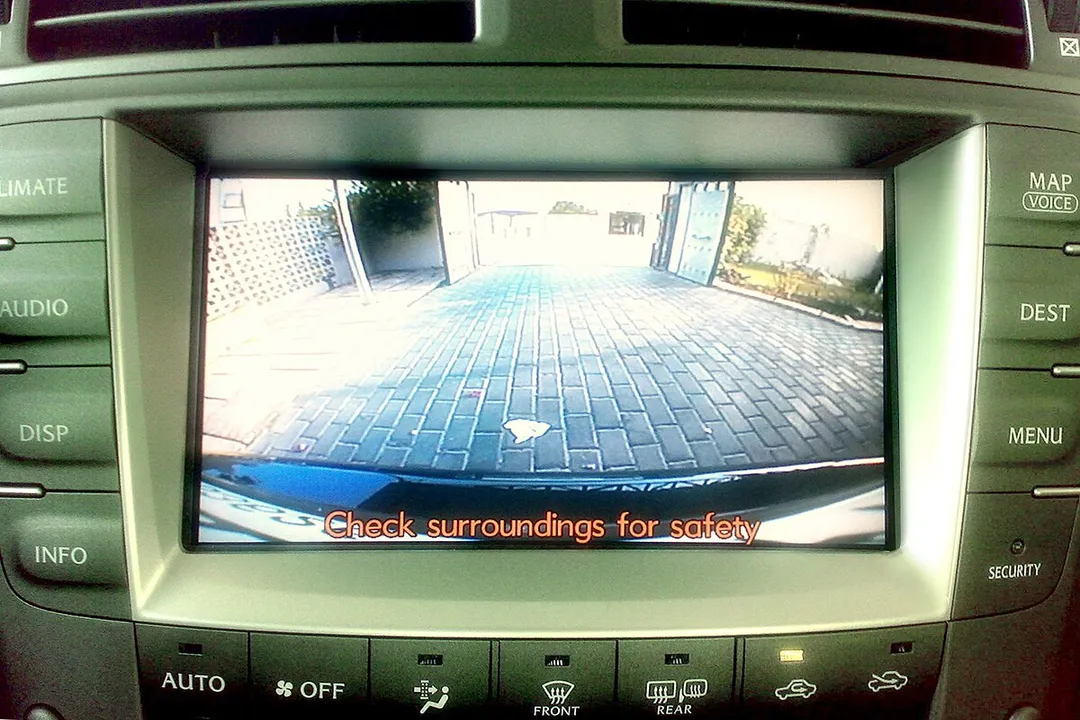
The earliest appearance of a device resembling a modern backup camera didn't happen in the last couple of decades when screens became common in dashboards; it stretches back much further, right into the golden age of American automotive design. The very first glimpse of this technology on a vehicle was in the 1956 Buick Centurion concept car. [1][6] This futuristic vision included a system that displayed the rear view on a screen mounted inside the car, showing that the idea of reversing assistance via video is nearly seventy years old. [1][6] It was an astonishing piece of foresight for the mid-1950s, even if the necessary electronic components were bulky and prohibitively expensive for mass production at the time. [2]
# Concept First Appearance
It is important to distinguish between a concept vehicle—a showcase of what could be—and a vehicle you could actually buy. While the 1956 Buick Centurion provided the proof of concept, [1][6] it remained just that: a concept. The technology required for reliable, affordable real-time video feedback was decades away from consumer viability. [2] The camera itself, if present, would have required extremely specialized and costly hardware to feed a usable image to the driver, meaning it stayed firmly on the drawing board for practical purposes. [1]
# Production Entry
The true start of the backup camera in the consumer market occurred much later, marking a slow crawl from the drawing board to the dealership floor. The first production vehicle offered with a rearview camera system was the 1991 Nissan Primera. [2] This was a significant milestone, placing advanced reversing technology into a vehicle that customers could actually purchase, though initially, it was likely an expensive option limited to specific trims or markets. [2] Even as the 1990s progressed, these cameras were rare finds, usually reserved for high-end luxury vehicles or specialized models, far from being commonplace. [7]

# Mainstream Rise
For many drivers, the true introduction to reversing aids came not through cameras but through audible warnings. Rear proximity sensors, which beep when you get close to an obstacle, began appearing more frequently in vehicles during the late 1990s and early 2000s. [3] These sensors offered a cheaper, simpler method of achieving some level of rear-area awareness without the need for a display screen. [3] It’s fascinating to observe this technology divergence; while some manufacturers prioritized beeps and distance alerts, others pushed forward with visual aids, leading to an uneven adoption curve across different car brands and models in the early 2000s. [7] If you look at owner forums from around the mid-2000s, you often see debates over whether the new parking sensors were better or worse than the newly appearing camera systems on premium models. [7]
The tipping point for cameras accelerating into the mainstream generally settled around the early to mid-2010s. By this point, two technological factors had aligned: LCD screens were inexpensive enough to be standard equipment, and the cameras themselves were miniaturized and weatherized sufficiently for reliable automotive use. [2] Around this time, many mainstream manufacturers began installing them either standard or as an option on mid-range trims, not just top-tier luxury vehicles. [3]
# Regulatory Standard
While consumer demand and manufacturer innovation drove adoption, the final step to universal availability was driven by regulation. The crucial date for anyone buying a new car in the United States is May 1, 2018. [9] On this date, a federal mandate required that all new vehicles sold in the U.S. be equipped with rear visibility technology, effectively making backup cameras standard equipment across the entire market. [1][9] This mandate ensured that nearly every new car, truck, or van sold after that point would have a camera system integrated, usually featuring a wide-angle lens mounted near the trunk or license plate frame, displaying the image on the center stack screen. [1]
This regulatory deadline is a clean divider in automotive history. Before 2018, seeing a camera depended on the specific make, model, and trim level you purchased; after 2018, it became a baseline expectation, much like seatbelts or airbags. [9]
# Camera Technology Evolution
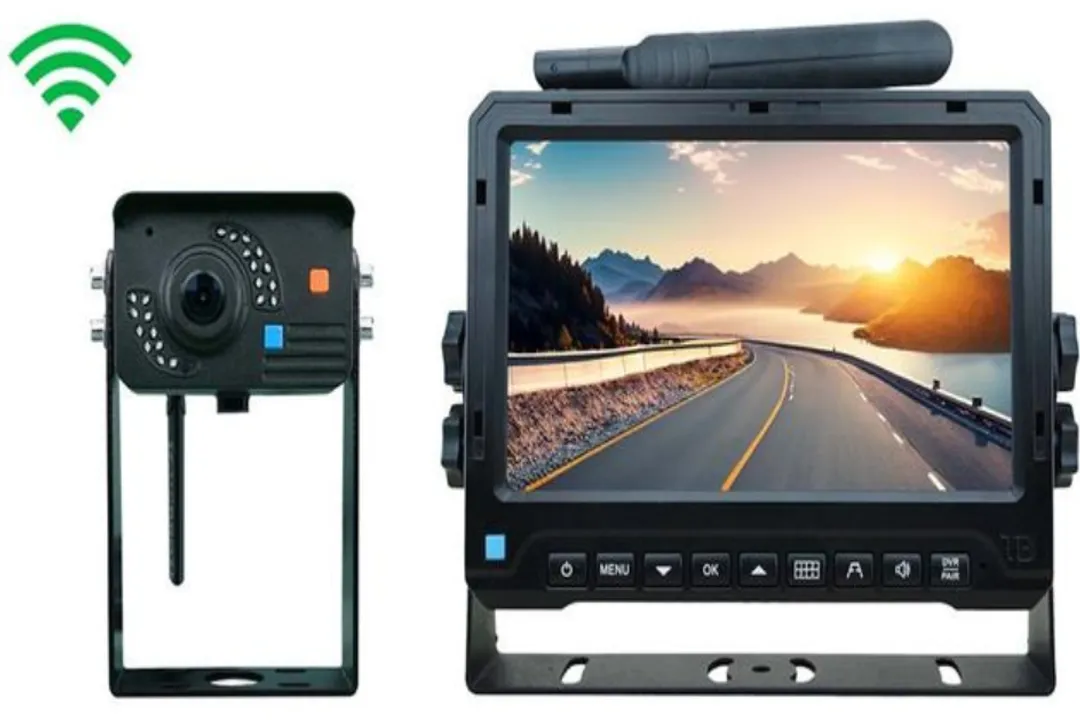
The technology used in these systems varies, and understanding the evolution helps explain the initial slow rollout. The early systems, even the ones in the 2000s, often had lower resolution and slower refresh rates than what we expect today. [2] A modern system might display gridlines that move dynamically based on the steering wheel angle—a feature virtually absent in early iterations. [1]
If you are looking at an older vehicle that does have a factory camera, or perhaps looking to retrofit an older car, be aware of the differences between the original equipment manufacturer (OEM) setups and modern aftermarket kits. OEM systems are perfectly integrated but often lack modern features like superior night vision or ultra-wide angles, whereas a well-chosen aftermarket system might actually offer a clearer picture today than a factory unit from 2012. [4]
| Milestone | Year | Significance | Supporting Data |
|---|---|---|---|
| Concept Debut | 1956 | First demonstration of the concept on a car | Buick Centurion [1][6] |
| Production Launch | 1991 | First time available for consumer purchase | Nissan Primera [2] |
| Mass Adoption Begins | ~2010s | Screens become affordable; wider option availability | General market trend [3] |
| US Mandate | May 1, 2018 | Required on all new vehicles sold | Federal Rule [1][9] |
This progression—from a 1956 concept to a 1991 production model, followed by a decades-long climb to a 2018 federal requirement—shows a clear pattern: safety technology often moves slowly when screen and sensor costs are high, only accelerating when the cost drops low enough to integrate widely or when government intervention forces the change. [2][9] It took a full 55 years from the Buick's concept debut to the day a backup camera became a guaranteed feature on every new car rolling off the assembly line in the US. [1][6]
Related Questions
#Citations
Backup camera - Wikipedia
What is the Oldest Car with a Backup Camera?
What years do assisted cruise control and rear camera become ...
When Did Backup Cameras Become Standard in Cars?
What Was The First Car With a Backup Camera? - YouTube
Did you know that backup cameras on cars came about as early as ...
What Models and year first had backup cameras?
Evolution of Car Backup Cameras Through the Years - TikTok
When Did Backup Cameras Become Standard in Cars? - AUTO-VOX