What was used before ballpoint pens?

The modern office desk, the student’s backpack, or the glove compartment of a car all share one common, unassuming tool: the ballpoint pen. Its reliability and ease of use have made it ubiquitous, yet this simple device represents the culmination of centuries of trial and error in making a portable, consistent writing instrument. Before the ballpoint could take over, scribes, clerks, and everyday writers relied on a diverse and often temperamental arsenal of predecessors, each with its own set of rituals and limitations.
# Quill Pens
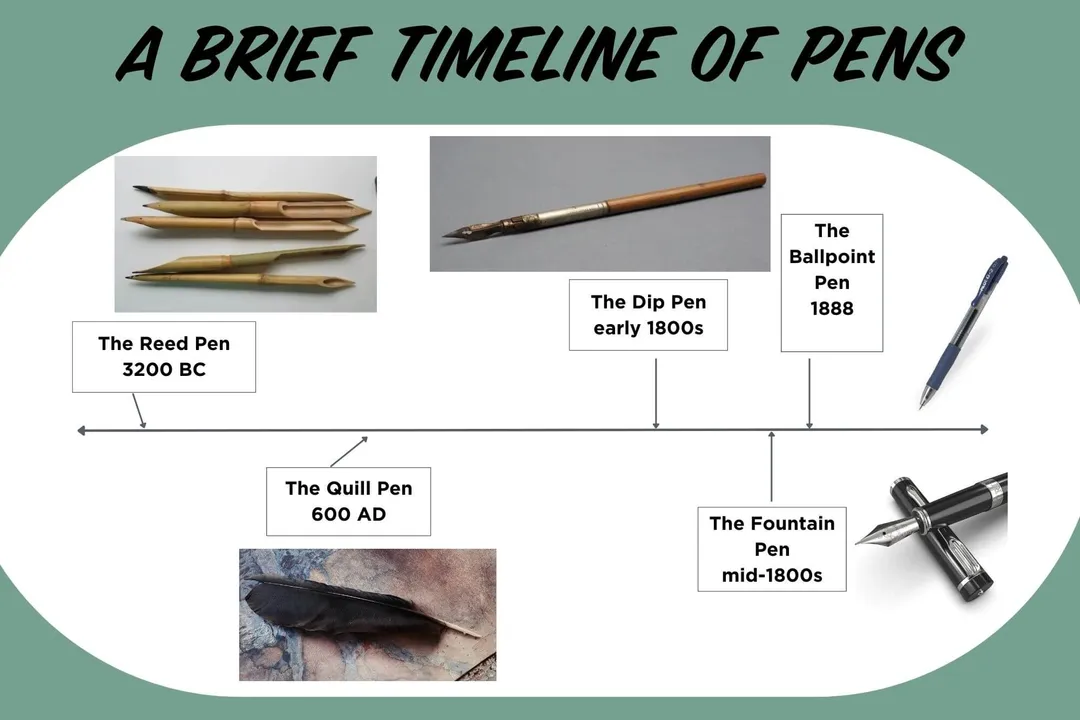
For a millennium, the quill pen stood as the dominant instrument for Western writing, especially in official documents and long-form manuscripts. [4][6] These pens were crafted from the primary flight feathers of large birds, most notably geese, swans, or turkeys. [4] The process of turning a feather into a writing tool was an art form in itself, involving careful curing and cutting the tip into a sharp nib. [6]
The experience of writing with a quill was far from instantaneous. The author had to continually pause to maintain the sharp point, usually by using a penknife to cut and reshape it. [6] Moreover, the ink flow, being liquid and free-flowing, was not always reliable. If the cut was poor or the ink too thin, the pen would skip, demanding frequent re-dipping into an inkwell. [1] For those keeping detailed records or journals, this constant need for interruption meant that the act of writing itself was a highly ritualized, deliberate, and somewhat slow process, tethered permanently to the ink pot. [3]
# Metal Nibs
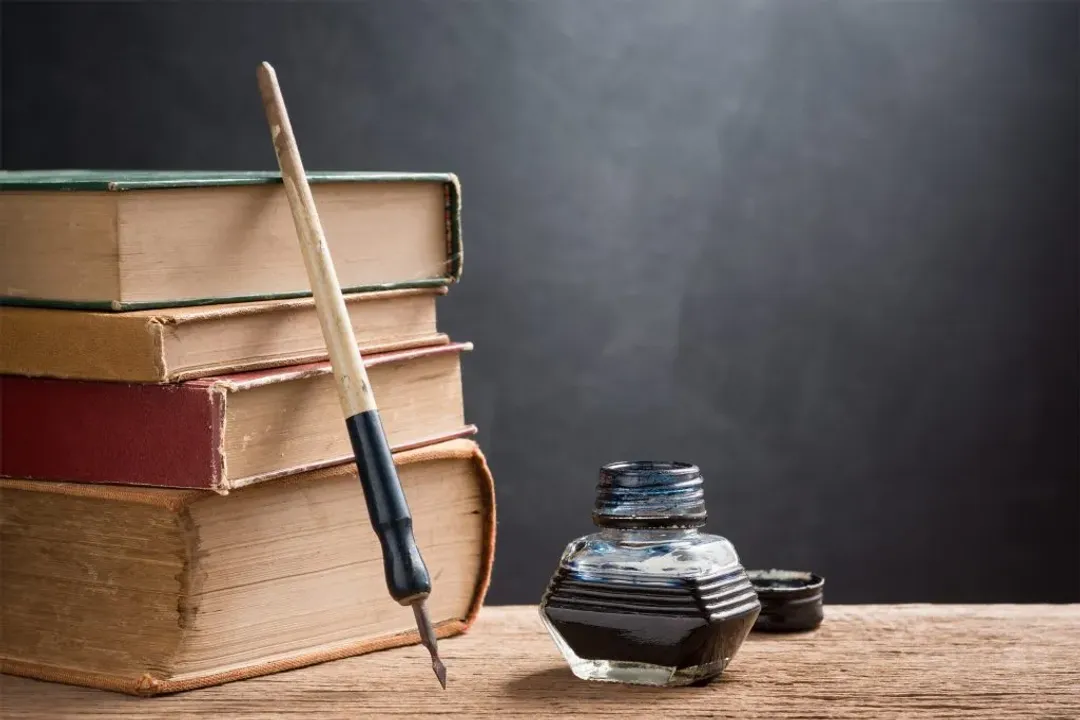
The reliability issues inherent in natural feathers eventually drove innovation toward more durable materials. By the early nineteenth century, metal-nib pens began to gain traction. [6] These early metal versions were essentially factory-stamped replacements for the natural quill tip, usually made from steel, and were eventually attached to holders. [1]
While a metal nib was far less likely to snap or require daily sharpening, it solved only part of the problem. It still functioned as a dip pen, meaning the user had to manually immerse the tip into an external pot of ink to draw enough fluid up through a small slit in the metal for a few words of writing before the next dip. [1][6] This method was cleaner than a worn-out quill, but it was still fundamentally cumbersome for personal, portable use, making clandestine note-taking or rapid record-keeping difficult.
# Reservoir Pens
The next significant leap forward came with the invention of the fountain pen, which aimed to solve the constant dipping problem by incorporating an internal ink reservoir. [1][6] Early concepts for self-inking pens date back to the tenth century, but practical, commercially successful versions began to appear in the mid-1800s. [4][6] The key development was creating a system where gravity and capillary action could feed ink consistently from a chamber down to the nib. [1]
Fountain pens dramatically improved the speed and convenience of writing compared to dip pens, allowing people to write continuously for longer stretches. [3] However, they introduced a new set of frustrations that kept engineers busy for decades. The thin, water-based ink that flowed so well was prone to leaking, especially with changes in altitude or temperature. [4] Clogging was also a persistent issue, where dried ink would block the delicate feed mechanism, rendering the pen useless until it could be painstakingly disassembled and cleaned. [4][6] For a person writing in a diary, for example, the possibility of an ink stain bleeding through thin paper or a pen exploding in a waistcoat pocket was a genuine occupational hazard. [3]
This constant battle between ink consistency and delivery meant that even the best fountain pen was temperamental. An early insight into writing technology reveals that before the ballpoint, the maintenance ritual was inseparable from the act of writing itself; one had to be proficient in caring for the tool just as much as in forming letters, a skill largely lost on today's users who expect immediate function.
# The Ink Dilemma
The fundamental challenge across all these pre-ballpoint technologies—quill, dip pen, and fountain pen—was the nature of the ink itself. Ink needed to be thin enough to flow rapidly through a fine point or capillary system, yet viscous enough to hold its shape until it met the paper. [6] This created a persistent trade-off: thick ink wouldn't flow; thin ink would smudge, bleed, or leak uncontrollably. [4]
It is fascinating to consider the material science gap that needed bridging. The older inks were largely water-soluble or dye-based, designed to soak into porous writing surfaces like parchment or high-quality paper. [1] This necessary absorbency contributed to slow drying times. The sheer diversity of pre-ballpoint tools—from reed pens used by Egyptians to modern metal nibs—demonstrates that for centuries, the delivery method (the tip) was constantly being adapted to the limitations of liquid ink, rather than the ink being tailored to a new delivery system. [1]
# Bíró's Solution
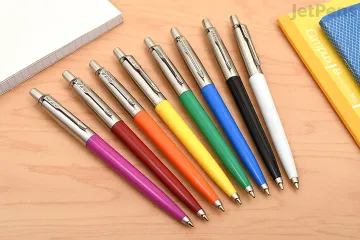
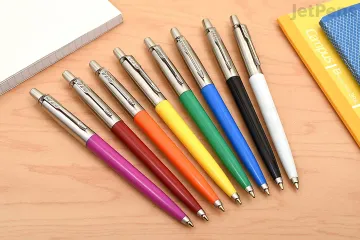
The breakthrough that retired the messy, demanding predecessors came from Hungarian journalist László Bíró in the late 1930s. [2] Frustrated by the smudging fountain pen ink that ruined newspaper print and the time wasted cleaning and re-inking, Bíró observed the ink used in printing presses: it dried almost instantly and resisted smearing. [2][7]
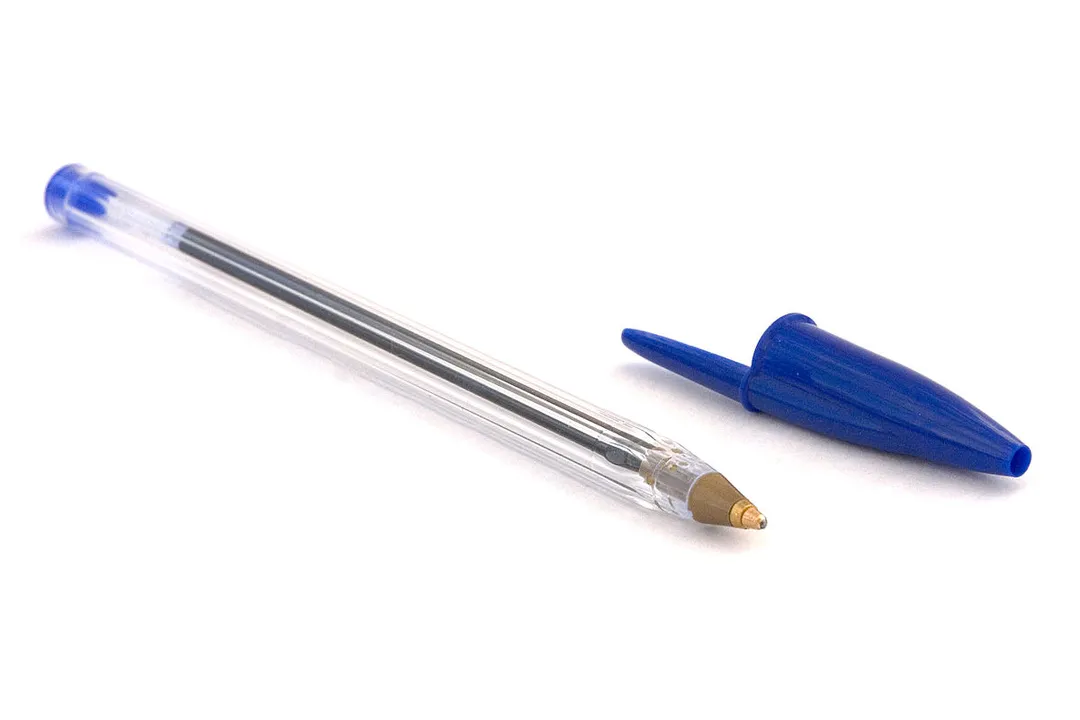
Bíró realized this thick, paste-like ink would never flow through a conventional nib. His genius lay in changing both the ink and the delivery system simultaneously. [7] He designed a tiny, precisely machined metal ball, held loosely in a socket at the tip of the pen. [2] As the user moved the pen, the ball rolled against the paper, picking up the thick, viscous ink from the internal reservoir and rolling it onto the page. [2][7]
This mechanism was transformative. The thick ink clung to the ball rather than dripping out, and the contact with the air and the paper surface caused it to dry almost immediately, eliminating the need for blotting paper. [2] The ball acted as a seal when the pen was not in use, preventing drying and leaking, a massive improvement over the fountain pen's feed system. [7]
Bíró patented his invention, and while early production was interrupted by World War II, his concept—the ballpoint pen—eventually made its way to mass markets, offering unparalleled portability and reliability. [2]
# Legacy of Precursors
Though the ballpoint pen won the race for everyday utility, the preceding tools established the very foundation of modern writing culture. The rise of the fountain pen in the late 19th and early 20th centuries cemented the idea of a personal, portable writing instrument that did not require an external ink source—a concept that the ballpoint refined, rather than replaced. [6]
We can see the ghost of the quill in every modern pen’s shape, which still attempts to mimic the ergonomic grip required for a pointed instrument. Even the term "nib," while technically inaccurate for a modern pen, persists in some technical jargon, a nod to the feather's long reign. [6]
When considering diary keeping, for instance, the choice of instrument was once a statement about the writer's resources and commitment. A wealthy individual might afford a high-quality, regularly serviced fountain pen, while someone needing to jot down quick notes might carry a small, reliable dip pen and a travel ink bottle. [3] The transition wasn't just about convenience; it was a democratization of quick, reliable inscription.
It is interesting to note that the very success of the ballpoint masked a crucial engineering shift: the focus moved entirely from managing fluid dynamics (how thin ink flows) to managing surface contact and viscosity (how thick ink rolls). This fundamental shift in material application meant that for the first time, an inexpensive, mass-produced writing tool could be produced with predictable, near-perfect function right out of the package.
The evolution from sharpened feather to rolling ball showcases humanity's persistent drive to make communication immediate and effortless. The quill demanded patience, the fountain pen demanded maintenance, but the ballpoint, built on Bíró's vision, simply demanded to be used. [2][7]
Related Questions
#Citations
The History of Pens - Executive Pens Direct
Ballpoint pen - Wikipedia
How did people write in their Diaries/journals before ballpoint pens ...
The Evolution of Writing: Unveiling the Ballpoint Pen's Journey
How the Ballpoint Pen Changed the Way We Write - JetPens
The Greatest Pen Inventions of All Time - Blog - Pen Heaven
The Evolution of Modern Ballpoint Pen: A Patent History
Invention of Ball Pens - Reddit
The History of Pens - Busy Beaver Button Co.