Which is better, an ink pen or a ball pen?
The decision between an ink pen and a ballpoint pen often boils down to more than just simple preference; it is a choice influenced by the desired writing feel, the permanence of the mark, and the context in which the writing occurs. While the ballpoint pen has long reigned as the undisputed champion of practicality, other ink delivery systems offer experiences that many find superior for specific tasks. [1] Understanding the fundamental differences in ink chemistry and delivery mechanisms is the first step toward deciding which instrument suits your hand and purpose best.
# Ink Chemistry
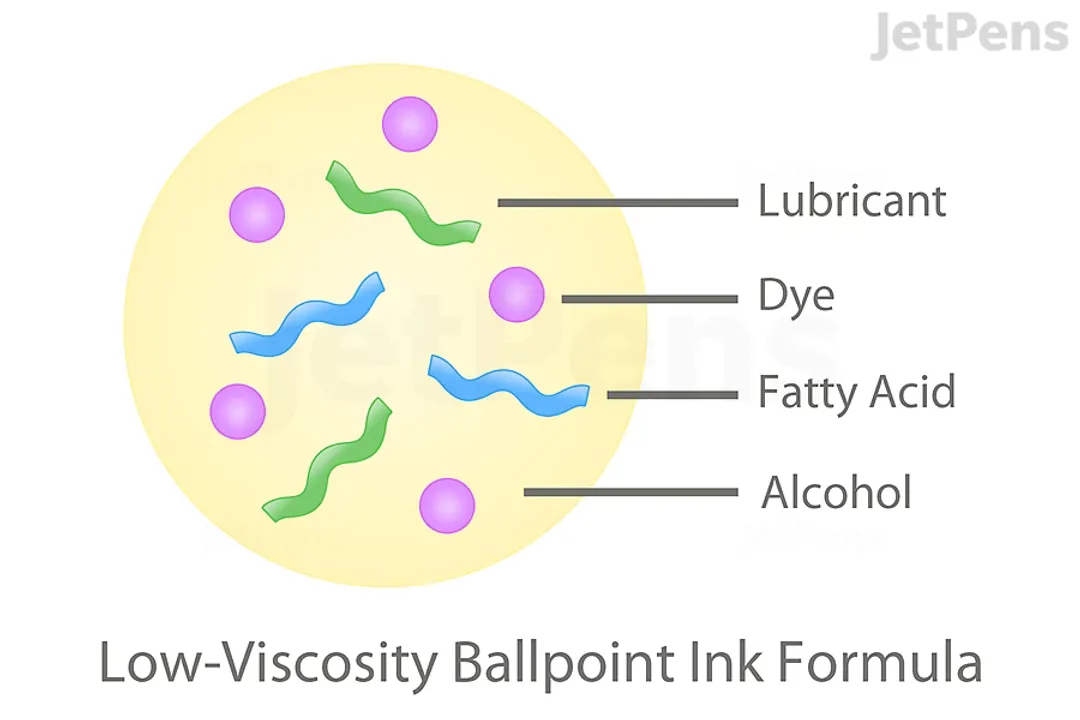
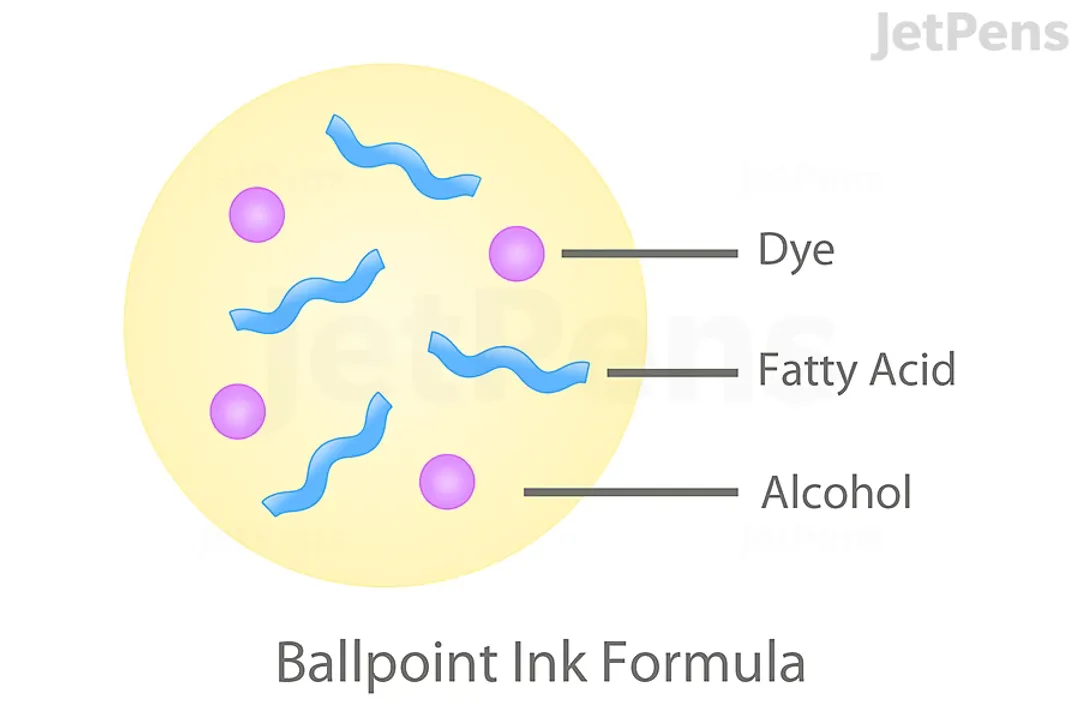
The core distinction between these writing instruments lies in the composition of their ink and how that ink reaches the paper. Ballpoint pens operate using a thick, oil-based ink. [8] This viscosity is what gives the ballpoint its characteristic resistance on paper, often requiring more downward pressure from the writer to dispense the ink smoothly. [9] Because the ink is oil-based, it tends to dry very quickly upon contact with most paper surfaces, which significantly reduces the risk of smudging after writing. [1] This inherent reliability and fast drying time cemented the ballpoint's reputation as the go-to instrument for everyday use, from filling out forms to jotting quick notes. [1]
In contrast, what many people categorize broadly as an "ink pen"—including rollerball pens, gel pens, and fountain pens—typically relies on formulations that are more liquid, often being water-based. [3][8]
# Rollerball Flow
Rollerball pens bridge the gap between the control of a ballpoint and the liquid feel of a fountain pen. They use a ballpoint mechanism but are filled with a liquid, dye-based ink. [3][8] This liquid ink flows much more easily than the thick paste of a standard ballpoint, resulting in a much smoother writing experience that requires significantly less pressure. [3][6] The result is often a bolder, darker line that feels less fatiguing over long writing sessions. [3] However, this very wetness introduces a trade-off: rollerball ink takes longer to dry than oil-based ballpoint ink, making them inherently more prone to smearing, especially for left-handed writers or those moving their hand quickly across the page. [6]
# Gel Pen Properties
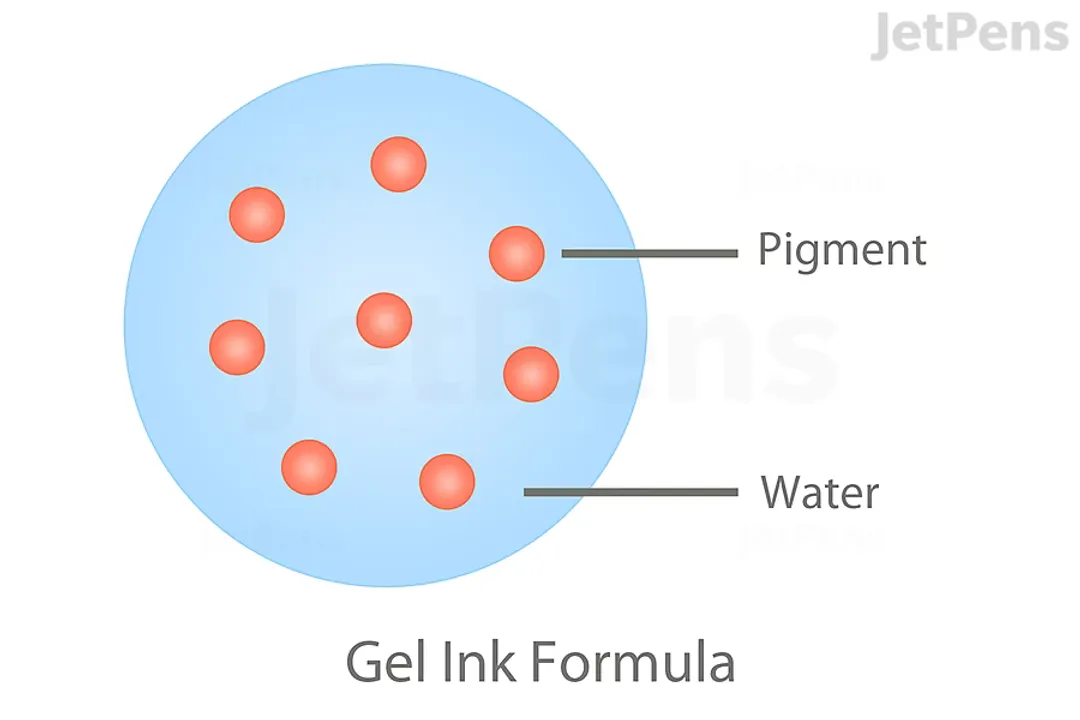
Gel pens utilize a water-based ink that contains pigment particles suspended in a gel. [5][8] This technology allows for a wider range of vibrant colors than standard ballpoints and generally provides a very smooth writing feel, often rated highly for its dark lines. [5] Like rollerballs, they deposit ink more readily than ballpoints. A key consideration for gel pens, however, is their susceptibility to smudging, as the water-based medium can take time to fully set, and the ink formulation can sometimes bleed slightly through thinner papers. [5]
# Liquid Ink Experience
Fountain pens, the classic example of liquid ink writing, use very thin, free-flowing ink that is absorbed by the paper fibers. [9] This results in an exceptionally fluid writing experience where the nib glides across the page. [4] The flow is managed by capillary action, not pressure, offering the writer a very different, often more expressive touch. [9] The ink delivery is fast, but if the pen is uncapped for too long, the nib can dry out, requiring a few scribbles to restart the flow, a common practical failure point that ballpoints rarely encounter. [4]
# Writing Feel
The physical act of writing is profoundly altered by the ink and delivery system. When you pick up a standard ballpoint, you are prepared for a certain amount of feedback—the slight drag or resistance against the paper fibers. [9] This resistance is sometimes preferred by those who feel they have better control over their handwriting when the pen isn't sliding too fast. [4]
Contrast this with a rollerball or gel pen. Many users report that these types feel slicker and require less physical exertion to write for extended periods. [3] If you spend hours signing documents or taking meeting notes, that reduction in hand strain can be a significant advantage. One way to conceptualize this difference is to think of the force application: a ballpoint requires more downward force to push viscous ink out, while a rollerball or gel pen relies more on forward momentum to spread the thinner ink. [9]
For those who enjoy the feel of writing, fountain pens offer perhaps the greatest tactile difference. The writing quality often depends heavily on the nib size—a fine nib provides a delicate line, whereas a broader nib lays down significant ink and can feel luxurious. [4] This variety in feel and line width, from a sharp, dependable ballpoint to a broad, expressive fountain pen, is why pen enthusiasts keep multiple options on hand.
# Longevity and Archive
When a document needs to last for years, archival quality becomes paramount. This is where the oil-based nature of ballpoint ink actually serves as an advantage. [1]
Standard ballpoint ink formulations are generally considered more resistant to water and fading over time compared to the dye-based inks common in rollerballs. [6] If you are signing a legal document or an important contract that might be exposed to spills or sunlight, the conventional ballpoint offers a degree of security simply due to its chemical makeup. [1]
Rollerball inks, being dye-based and water-soluble, are often less permanent and more susceptible to fading or washing out if they get wet. [3][6] While modern gel pens often use pigment inks, which are generally more fade-resistant than dye inks, they still do not always carry the same archival rating as the best permanent ballpoint or pigment-based rollerball inks. [5] A practical consideration here is that if you frequently use highlighters over your writing, the water-soluble nature of many rollerball and fountain pen inks means the highlighter ink can often reactivate and smudge the underlying text, whereas ballpoint ink typically sits atop the paper surface more stably. [9]
# Practical Selection Guide
Choosing the "better" pen requires matching the tool to the task. It is not a universal answer but a situational one. Consider these common scenarios:
| Scenario | Preferred Pen Type | Rationale |
|---|---|---|
| Filling out carbon copies or forms | Ballpoint | Requires consistent pressure; quick drying resists smudging. |
| Journaling or long correspondence | Rollerball or Fountain Pen | Smoother flow reduces hand fatigue over long periods. |
| Writing outdoors in fluctuating temperatures | Ballpoint | Oil-based ink is less affected by cold than water-based inks, which can sometimes thicken or skip. |
| Coloring or artistic note-taking | Gel Pen | Wider color selection and smooth application for detailed work. |
It might be helpful to establish a personal hierarchy of priorities before selecting a pen for the day. For instance, if you are right-handed, dryness might be less critical than line smoothness, leaning you toward a rollerball. [3] However, if you are signing stacks of paperwork that must be instantly ready for filing, the quick-dry property of the ballpoint is non-negotiable. [1] Thinking about your dominant hand, the typical paper quality you encounter, and how long you write in one sitting helps narrow the field significantly.

# Aesthetics and Professionalism
Beyond pure utility, pens carry a certain aesthetic weight. Ballpoint pens, especially those housed in sturdy metal or high-quality resin bodies, are often seen as the standard for professional reliability; they look professional and are expected in most business settings. [4] They are practical workhorses.
However, the choice of a fountain pen or a high-end rollerball can communicate something different entirely. Using a fountain pen, for example, has been associated with a more deliberate, thoughtful process of writing, sometimes even being viewed as a status symbol or an expression of personal style. [4] The line variation and sheen offered by fountain pen inks, unavailable in standard ballpoints, lend a distinct, personalized character to any signature or note. [9] If the goal is to make a statement with the act of writing itself, the fancier ink systems generally win out over the standard ballpoint.
# The Personal Touch
It is worth noting that personal muscle memory plays a substantial role in preference. An individual who learned to write exclusively with a standard ballpoint might find the slickness of a rollerball or the feedback-less glide of a fountain pen momentarily distracting or even uncontrolled. [9] Conversely, someone accustomed to a smooth fountain pen might find the drag of a ballpoint irritatingly scratchy. [4] This ingrained way of holding and moving the pen dictates how much pressure is naturally applied, meaning the same pen can feel vastly different in two different hands.
If you are currently using a ballpoint but are interested in smoother writing without the heavy smudging risk of a very wet rollerball, exploring a high-quality hybrid ink ballpoint might be a smart intermediate step. These newer formulations attempt to offer the liquid feel of a rollerball while retaining the quick-drying, smear-resistant properties of a traditional ballpoint, effectively trying to offer the best attributes of both worlds in a single package. [5] This ongoing development shows that the market recognizes the user dissatisfaction with the older compromises inherent in the traditional ballpoint design.
Ultimately, the "better" pen is the one that disappears in your hand, allowing your thoughts to flow onto the page without interruption from skipping, smudging, or excessive pressure. For sheer, unthinking reliability in all conditions, the ballpoint remains the king. But for the pleasure of writing, for making a visual impact, or for minimizing hand strain during long sessions, the various forms of liquid-ink pens present compelling, often superior, alternatives. [3][6] A well-stocked desk should probably contain both: a reliable ballpoint clipped inside a pocket for emergencies and a preferred rollerball or gel pen for active daily use.
#Videos
Which is BETTER? Ballpoint Vs Gel Pens - YouTube
Related Questions
#Citations
Which is better, an ink pen or a ball pen? - Quora
Ballpoint vs. Rollerball Pen: What's the Real Difference? - YouTube
Rollerball vs. Ballpoint Pens: A comparison - Blog - Pen Heaven
Fountain pens or ballpoints? - Reddit
Are Gel Pens Better Than Ballpoint Pens? - EndlessPens
Rollerball vs Ballpoint Pens: Ink Differences and More
The Difference Between Ballpoint, Gel, and Rollerball Pens | JetPens
The Ultimate Guide to Different Pen Styles - Dayspring Pens