Why are ballpoint pens better?
The modern desk might host styluses, digital notepads, and high-end markers, yet the simple ballpoint pen retains an undeniable, perhaps even superior, place in the world of writing tools. Its reputation is built not on artistic flair or smooth, wet lines, but on sheer dependability and practicality—qualities that often outweigh momentary writing pleasure when a signature needs to be placed or a quick note captured. To call it "better" requires defining better not as the best writing experience, but as the best tool for universal, fuss-free utility across all environments and papers.
# Ink Viscosity
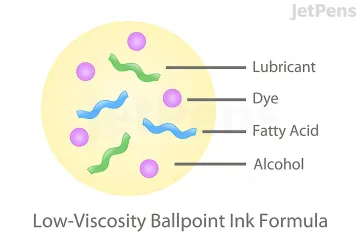
The fundamental difference separating the ballpoint from its smoother cousins—rollerballs and fountain pens—lies entirely in the ink it dispenses. Ballpoint pens operate using a very thick, oil-based ink that is quite viscous. This thick consistency is key to nearly all of its functional advantages. Because the ink has a high viscosity, it clings readily to the tiny metal ball in the tip, transferring precisely when friction is applied against the paper.
This formulation means the ink dries almost instantly upon contact with the paper fibers. Unlike rollerball pens, which use a thinner, water-based ink that flows more freely and requires a moment to set, the ballpoint produces a line that is much less likely to smear or smudge as soon as the pen moves away from the spot. For those who write quickly, especially left-handed writers, this instant drying time can transform the writing process from a messy affair into a clean execution.
# Longevity and Readiness
Another critical aspect where the ballpoint excels is its exceptional shelf life and operational readiness. Fountain pens, for example, rely on water-based ink that can dry out inside the feed or cartridge if left unused for too long, often requiring priming or cleaning before they write again. Rollerball tips can also clog or dry out if unused.
The ballpoint pen, thanks to its oil-based ink, rarely suffers from this issue. You can confidently store a ballpoint in a drawer for months, pull it out, and expect it to write immediately, often with just a small scribble or two. This low-maintenance nature makes it the ultimate grab-and-go instrument. Furthermore, the ink cartridges themselves contain a substantial amount of ink relative to their size, allowing them to write for many miles—often significantly further than a comparable rollerball or fountain pen cartridge before needing replacement. One source suggests that a standard ballpoint can lay down a line of nearly 2 miles in length.
# Working Surfaces
The performance of the ballpoint is not overly sensitive to the surface it encounters. Because it relies on mechanical action (the rolling ball) and thicker ink, it can write on surfaces where liquid inks would fail or pool excessively. This includes slick paper, non-porous materials, or even writing in less-than-ideal conditions. While a fountain pen might skip or bleed through cheap notepad paper, and a rollerball might smear on glossy receipts, the ballpoint generally maintains its integrity.
This capability extends to specialized tasks. A ballpoint can successfully create impressions through multiple sheets of paper, making it the only viable option for filling out triplicate forms or using carbon copy paper—a niche task that liquid ink systems struggle to replicate consistently.
# Pressure Requirement
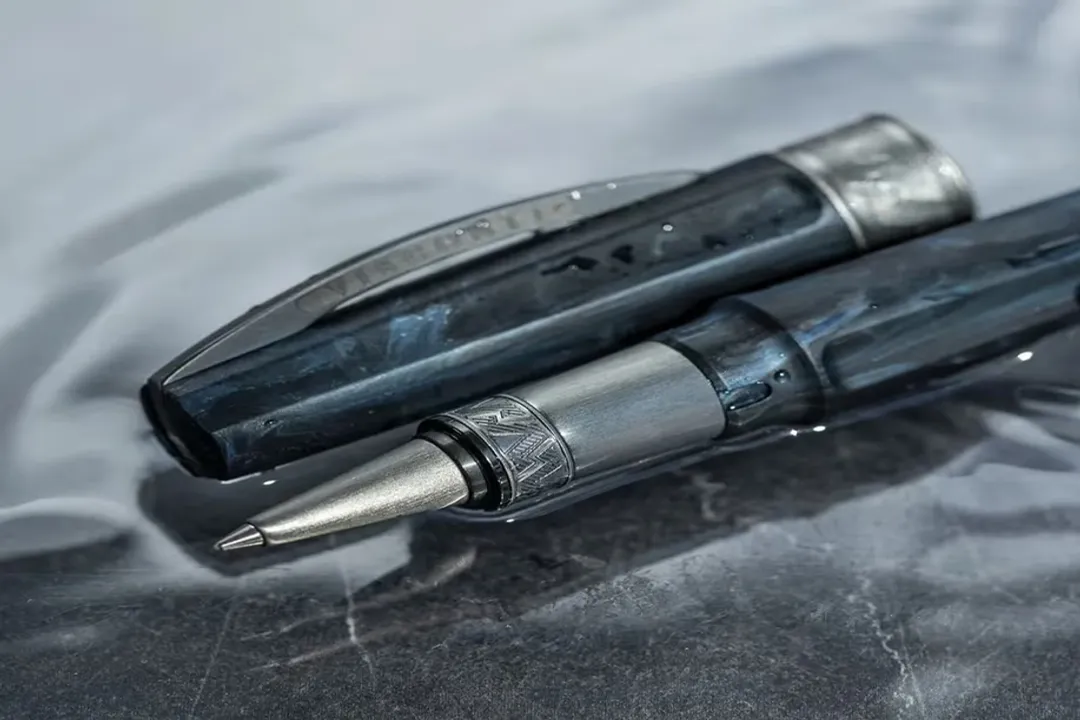
It is important to acknowledge the primary functional trade-off: ballpoints generally require more direct downward pressure to write smoothly compared to rollerballs or fountain pens. Fountain pens, in particular, rely on capillary action and gravity to deliver ink with very little pressure needed from the user. Rollerballs sit somewhere in the middle, offering a smoother glide than a ballpoint but still delivering liquid ink.
However, this need for pressure is sometimes an advantage. In situations where you need to write firmly—such as signing important documents requiring a distinct indentation, or, as mentioned, making carbon copies—that required pressure becomes a feature, not a flaw. The consistent friction also allows the user to control the line width more deliberately based on how hard they press, which is impossible with a gravity-fed nib.
# Direct Tool Comparisons
To truly understand why the ballpoint often wins the utility contest, we must look at specific comparisons against its immediate competitors in the everyday market.
# Versus Rollerball
The core difference between a ballpoint and a rollerball centers on the ink delivery system and resulting feel.
| Feature | Ballpoint Pen | Rollerball Pen |
|---|---|---|
| Ink Base | Oil-based, viscous | Water-based, liquid |
| Feel on Paper | Requires more pressure, controlled feedback | Smoother, effortless glide |
| Drying Time | Nearly instant | Slower, risk of smearing |
| Leak/Bleed Risk | Very low | Higher risk, especially on cheap paper |
| Archival Use | Good for receipts, multi-part forms | Better for rich color, less ideal for forms |
Rollerballs were essentially designed to mimic the effortless feel of a fountain pen while using the convenience of a disposable cartridge. They deliver a darker, bolder line because the liquid ink saturates the paper more readily. However, this very trait means they bleed through thinner papers more often and take longer to dry. For a quick notation in a pocket notebook where you might immediately turn the page, the ballpoint’s quick dry time is inherently superior.
# Versus Fountain Pen
The comparison with a fountain pen is a study in engineering philosophy. Fountain pens are often prized for the character they bring to handwriting and the pleasing tactile experience. Yet, this comes at a significant cost in terms of daily reliability. Fountain pens are susceptible to leaking, especially when subjected to changes in air pressure, like during air travel. They also require specific, often higher-quality paper to prevent feathering and blotting. Furthermore, they require regular cleaning and maintenance, something the average user simply does not want to deal with for an instrument used to jot down a phone number. The ballpoint bypasses all these concerns, offering immediate function without demanding specialized care or premium paper stock.
If you consider the cost to replace a lost or damaged pen, the ballpoint is nearly always the more pragmatic choice for daily carry or for an office environment where pens frequently migrate from desk to desk. While a Montblanc fountain pen is an heirloom, a quality click-action ballpoint is a precision tool designed to withstand the rigors of being dropped, tossed in a bag, or even left uncapped for a short time without rendering itself useless.
# Versus Gel Pens
Gel pens offer a middle ground, using a water-based gel ink that provides color saturation close to a rollerball but with slightly more body. They are known for offering vibrant colors, including white and metallic shades, which standard ballpoints often cannot achieve with the same intensity. However, the gel formulation often results in the slowest drying time of the three primary cartridge types. For office or school work where speed and permanence are necessary, the ballpoint maintains an edge because its oil-based ink resists smearing significantly better than gel ink, even if the color intensity is slightly reduced.

# Practical Advantage Index
To illustrate the positioning of the ballpoint in the modern writing arsenal, it helps to map its attributes against common use cases.
| Use Case | Best Choice | Rationale |
|---|---|---|
| Filling Out Carbon Forms | Ballpoint | Requires firm pressure to transfer ink through sheets. |
| Writing on Rough Surfaces | Ballpoint | Viscous ink and durable ball resist skipping on poor paper. |
| Signing Documents Outdoors | Ballpoint | Less susceptible to leaks from temperature changes or humidity. |
| Quick Annotation/Doodling | Rollerball/Gel | Smoother feel enhances creative flow. |
| Long-Form Letter Writing | Fountain Pen | Superior comfort over extended periods. |
One interesting practical application often overlooked is its sheer portability for impromptu notes. When you are operating a vehicle, holding a clipboard, or standing at a construction site, the physical act of pressing down with a ballpoint ensures the line gets made, irrespective of the slight angle or vibration that might cause a fountain pen's feed to momentarily choke. This direct feedback loop between pressure and mark is a kind of physical certainty that digital tools cannot replicate.
# Enduring Relevance
In an era dominated by keyboards and touchscreens, the ballpoint pen’s continued relevance speaks volumes about its utility in critical, often unavoidable, real-world scenarios. Digital devices require power, software updates, and functional screens. A ballpoint pen requires only itself. For emergency documentation, field work, or simply taking notes during a meeting where electronics might be discouraged or impractical, the pen remains the default standard.
When you are traveling, the ballpoint is the single safest writing implement to pack. Its robust construction and non-leaking ink mean that even if the pen gets crushed at the bottom of a backpack next to a water bottle, the likelihood of it ruining other contents—like important papers or electronics—is minimal compared to a rollerball or fountain pen. This inherent security is a massive advantage for travelers and commuters.
For anyone tasked with preparing a field kit or an emergency go-bag, considering the pen choice based on maximum uptime is crucial. A good practice is to select a high-quality, click-retraction ballpoint (to prevent ink from leaking out of an uncapped tip) that uses a standard Parker-style refill, as these are ubiquitous globally. This choice guarantees that even if the primary pen is lost in a remote location, a replacement refill can likely be sourced anywhere from a convenience store to a local office supply shop, a claim that cannot be made for proprietary rollerball or fountain pen systems. This level of cross-compatibility and widespread availability solidifies the ballpoint's status as the most dependable writing standard worldwide.
The ballpoint pen is not an antiquated tool; it is the optimized design for functional certainty. It is the workhorse that requires nothing from its environment except a surface to write upon, making it, for the majority of daily tasks where speed, permanence, and reliability trump luxurious ink flow, the unequivocally superior choice.
#Videos
Why Ballpoints Are Better Than Fountain Pens - 7 Key Reasons
Related Questions
#Citations
What is so great about fountain pens? Why are they better than ...
Ballpoint Pens Vs Fountain Pens - The Online Pen Company
Rollerball vs. Ballpoint Pens: A comparison - Blog - Pen Heaven
Are Gel Pens Better Than Ballpoint Pens? - EndlessPens
What are the benefits of using a ballpoint pen over a fountain pen ...
Ballpoint vs. Rollerball Pen: What's the Real Difference? - YouTube
Ballpoint vs Rollerball Pens – Discover – Montblanc® US
Fountain Pens vs. Rollerball Pens vs. Ballpoint Pens - Goldspot Pens