What was Steve Jobs' first product?
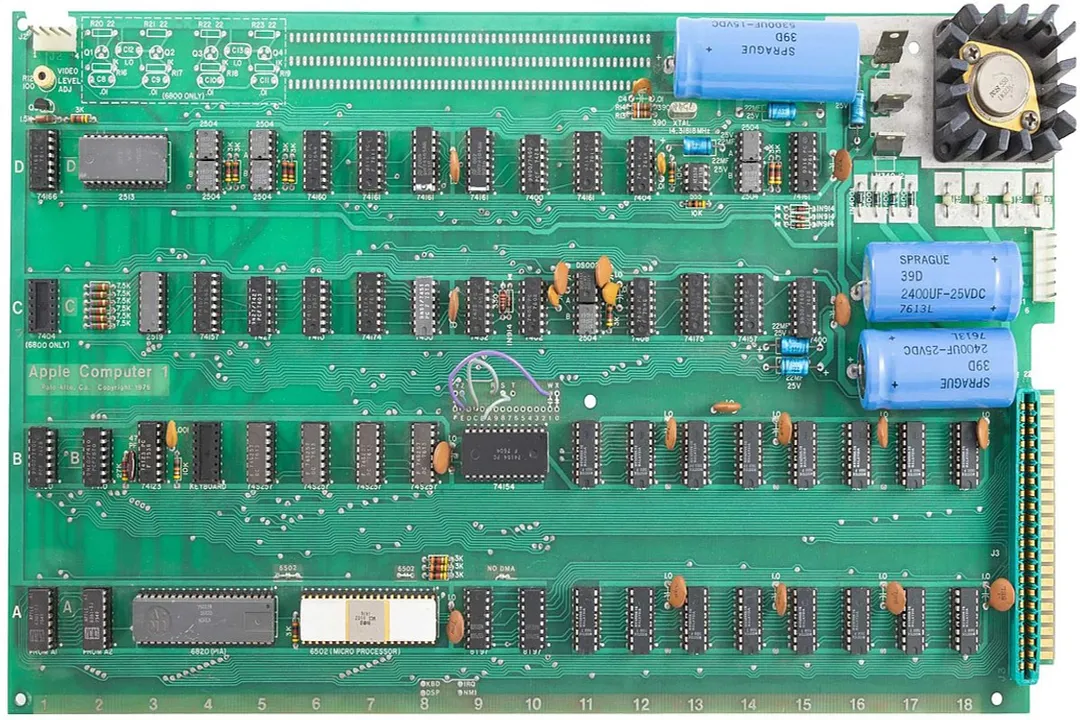
The story of Apple, a company synonymous with sleek design and world-changing technology, often begins with a legendary figure: Steve Jobs. Before the Macintosh, before the iPod, and long before the iPhone, there was a foundational moment that set the entire trajectory. This beginning wasn't marked by a slick, ready-to-use device, but rather by a humble circuit board born from the ingenuity of two young friends working out of a garage. [4] That first official product, the genesis of what would become a global powerhouse, was the Apple I computer. [10][6]
# Garage Genesis
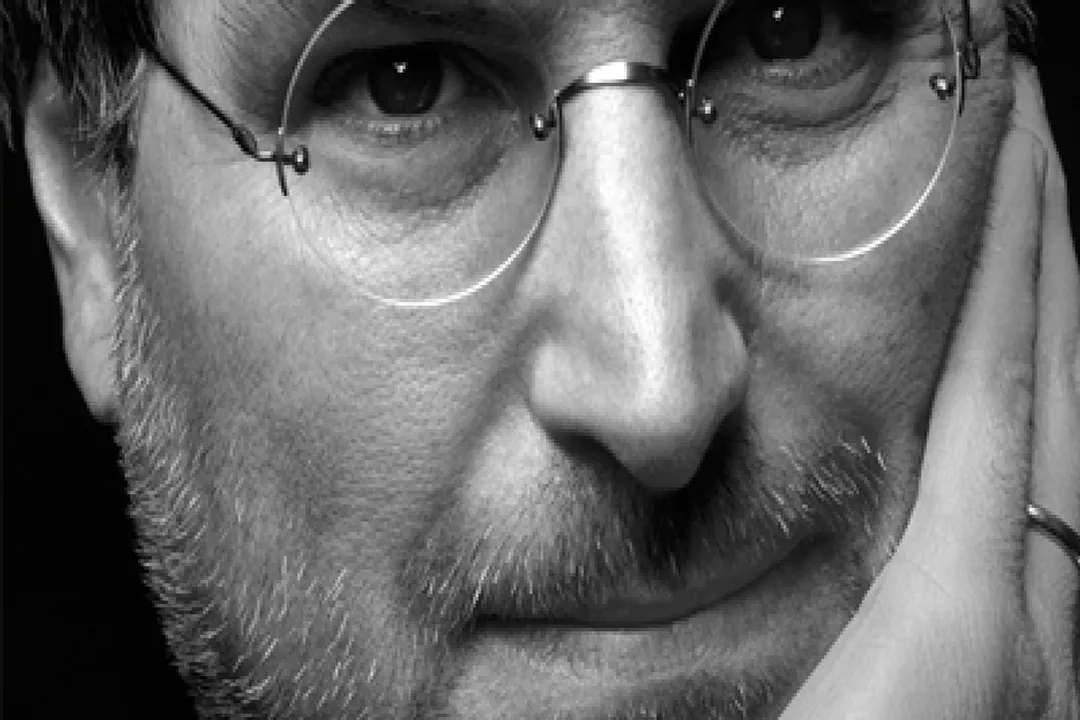
The spark for Apple Computer was lit by the powerful combination of Steve Jobs' entrepreneurial drive and Steve Wozniak’s engineering genius. [4] Wozniak, often known as "Woz," was the technical mastermind, driven by the desire to build a machine that was accessible and fun to use. [4] Jobs, possessing the vision for turning technology into a consumer product, saw the market potential where others only saw hobbyist electronics. [1] This early partnership was fundamental; Wozniak created the hardware, and Jobs provided the drive to commercialize it. [4][7]
The formal establishment of the company followed the creation of the machine. Apple Computer Company was founded on April 1, 1976, in Los Altos, California, by Jobs, Wozniak, and Ronald Wayne. [2][8] Wayne, however, quickly exited the partnership. [8] The initial operational headquarters was the Jobs family garage in Los Altos, a classic, almost mythical setting for early Silicon Valley stories. [4]
# Wozniak's Circuit
To truly understand the Apple I, one must appreciate what it wasn't. It wasn't the colorful, all-in-one, mouse-driven machine that would later define Apple's success. The Apple I was a bare-bones computer board, essentially an assembled circuit board. [6][3] It was intended for electronics hobbyists and was a step beyond the earlier, more complex designs Wozniak had previously shared with the Homebrew Computer Club. [3][4]
Wozniak engineered the Apple I to be a more complete system than previous hobbyist boards, which often required extensive manual wiring by the end-user. [6] Crucially, the Apple I included a microprocessor, memory, and a video terminal interface. [6] This meant that users, while still needing to add their own keyboard and power supply, were starting with a working core—a significant improvement in usability for the time. [6][3]
It is fascinating to consider this first product through a modern lens. Today, a "first product" might be a fully functioning app or a polished piece of consumer electronics. The Apple I, however, required the buyer to supply components like a case, a power supply, and a monitor, turning the initial purchase into just one piece of a larger, self-assembled puzzle. [6] This reality highlights a massive difference in consumer expectation between the nascent personal computer market of the mid-1970s and today’s plug-and-play environment. [10]
# First Capital
The initial capital required to get this venture off the ground speaks volumes about the scrappy origins of the enterprise. To fund the very first production run of the Apple I boards, Steve Jobs famously sold his Volkswagen Microbus, and Steve Wozniak sold his Hewlett-Packard scientific calculator. [4][3] They raised approximately $1,300 between them to begin manufacturing. [3]
When you look at the multi-trillion-dollar valuation of Apple today, that initial 1,300 for inflation alone, it would still represent a tiny sum for seed funding in any modern tech incubator; yet, this small investment bought the necessary components to build the initial inventory needed to fulfill early orders. [3] It underscores that groundbreaking technological leaps don't always start with massive venture capital backing, but sometimes with the liquidation of personal assets. [4]
# The Initial Offering
The Apple I was first publicly demonstrated at the Homebrew Computer Club in Menlo Park, California. [6] The breakthrough moment for sales came shortly after. Paul Terrell, the owner of The Byte Shop, one of the first computer stores, saw the device and placed an order for 50 units. [3] Terrell was key because he insisted that the computers be sold fully assembled, not as kits, a crucial detail that pushed Jobs and Wozniak toward a more finished product offering. [3]
The selling price for the assembled Apple I motherboard was set at $666.66. [6][3] This price point was significant. Wozniak reportedly favored round numbers and the recurring digit, while Jobs added the extra one-third to make the final price slightly less likely to be haggled down by customers—a small example of Jobs’ negotiation instincts already at play. [3]
The core specifications of the machine during its production run included:
| Feature | Specification |
|---|---|
| Microprocessor | MOS Technology 6502 |
| Clock Speed | 1 MHz |
| Memory (RAM) | 256 bytes (expandable to 4 KB) [6] |
| Output | Video terminal interface |
| Initial Price | $666.66 (Assembled) [3] |
Approximately 200 units of the Apple I were made between July 1976 and the middle of 1977. [6] This initial production run, though small by modern standards, was enough to establish a viable business model and provide the foundation for the next generation of products. [7]
# Transition to Apple II
While the Apple I was Steve Jobs' first commercial product, it was not a long-term success story in the market; it was a proof of concept. [1] The company quickly moved toward something much more marketable and consumer-ready. The Apple I was sold until around 1977 when it was superseded by the far more advanced and user-friendly Apple II. [6]
The Apple II was a quantum leap. It featured color graphics, an integrated case, and the ability to plug in expansion cards, transforming it from a hobbyist’s board into a true, mass-market personal computer. [10] Jobs recognized that the future lay in products that just worked right out of the box, a vision that the Apple I hinted at but the Apple II delivered upon. [6] The success of the Apple II, which began shipping in 1977, cemented the company's standing and fueled its rapid growth through the late 1970s and into the 1980s. [1][2]
The Apple I served its purpose perfectly: it provided the necessary early revenue, validated the partnership between Jobs and Wozniak, and proved that a market for personal computers existed outside of large corporations and dedicated university labs. [4] It was the necessary, if slightly rough, first iteration that cleared the path for the polished, iconic machines that followed. [7] Steve Jobs’ initial foray into the industry was defined by this initial, modest circuit board, a testament to how massive technological change can begin with incredibly small, focused steps. [1]
#Videos
Steve Jobs introduces iPhone in 2007
The Finest Operational Apple-1 Computer in Existence ...
Related Questions
#Citations
Steve Jobs
The Founding of Apple Computer, Inc. - This Month in ...
Steve Wozniak & Steve Jobs Release the Apple I
Steve Jobs and Steve Wozniak - Lemelson-MIT Program
Steve Jobs introduces iPhone in 2007
Steve Jobs
Timeline | all about Steve Jobs.com
What was Apple's first product?