Who made the first dash cam?
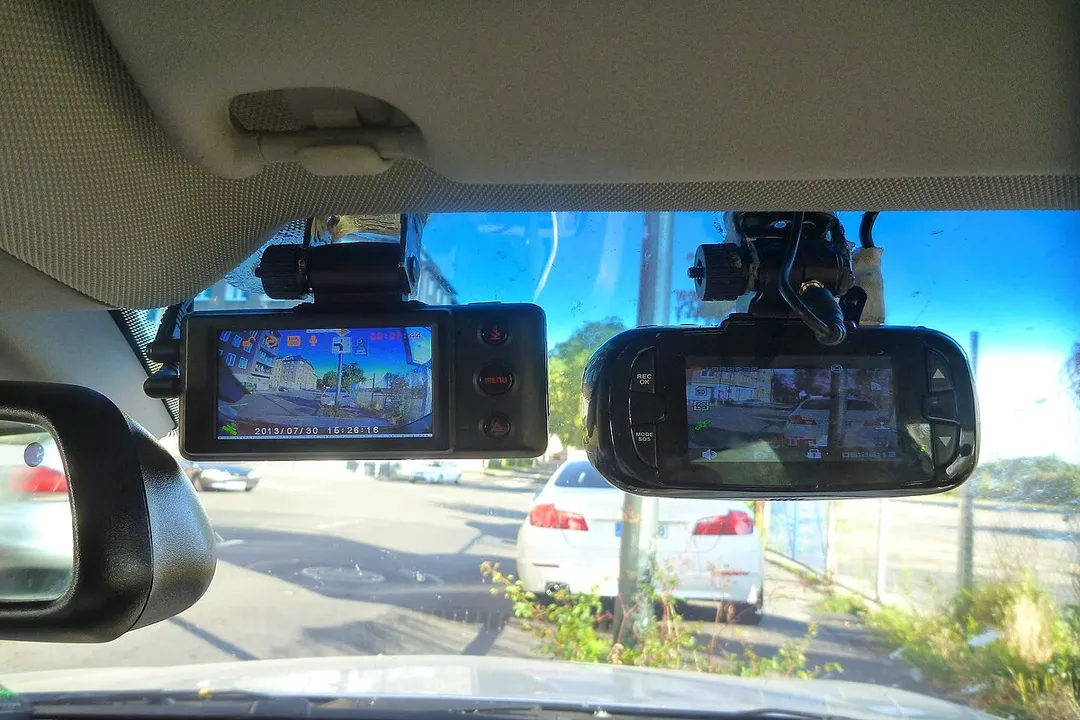
The origins of the device we now know as the dash cam—or dashboard camera, car DVR, or event data recorder—are far older and more fragmented than many realize. Pinpointing a single individual who invented the first one is difficult because the device evolved through distinct stages: from a cinematic curiosity to a professional law enforcement tool, and finally, into the ubiquitous consumer gadget it is today. The initial concept was simply capturing moving pictures from a vehicle, a pursuit that began long before digital recording or even mass car ownership was standard.
# Film Pioneers
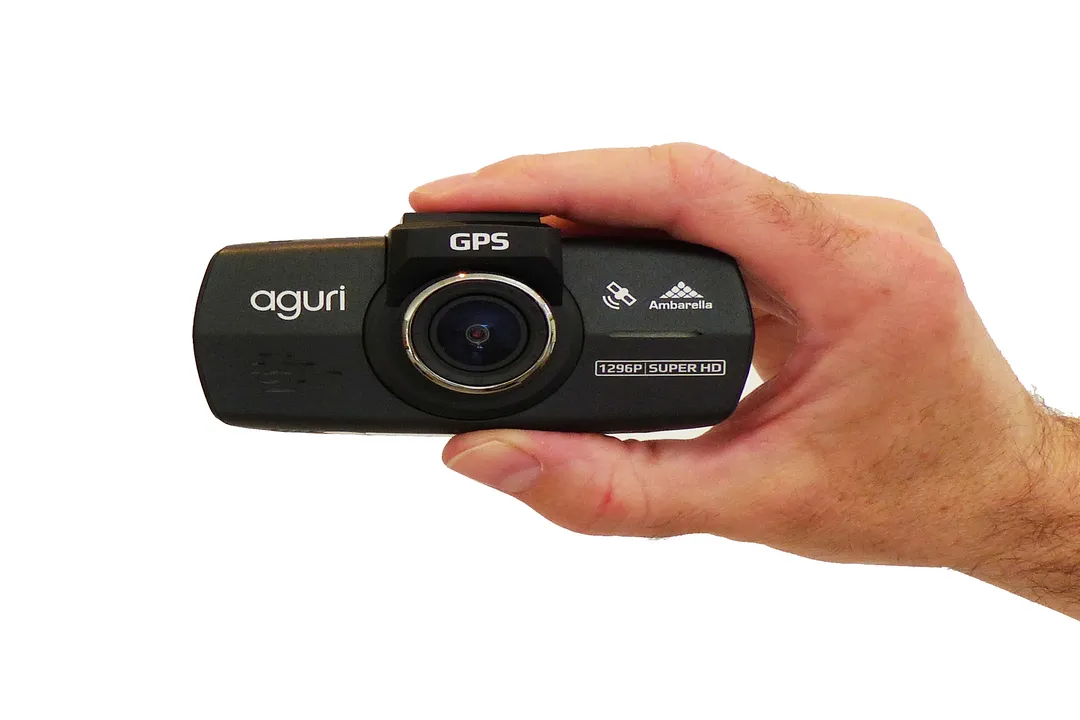
The very first instance of an in-car recording setup can be traced back over a century, not to a law enforcement agency seeking evidence, but to a filmmaker capturing daily life. In 1907, an American filmmaker named William Harbeck, originally from Toledo, Ohio, was hired by the Canadian Pacific Railways Department of Colonization to document Canada. Harbeck used a hand-crank camera mounted on a streetcar in Vancouver to record footage of the busy neighborhood streets. This raw documentation of the moving world is often cited as the earliest form of "dash cam" footage.
Fascinatingly, forum discussions suggest this was not the absolute earliest experiment of this kind. One contributor noted that Harbeck might have also shot similar footage from the famous Market Street Cable Car in San Francisco in 1905, two years before the massive earthquake of 1906. While the Vancouver clip featured hand-cranking a camera on a streetcar, the earlier San Francisco footage is said to have featured actual automobiles, making the concept of forward-facing vehicle recording quite old. These early efforts were purely for documentary or promotional purposes, capturing motion for later viewing, rather than serving a security or evidence-gathering role. It’s interesting to see that the initial impulse was creative documentation—seeing the world pass by—whereas today the primary driver for adoption is defensive necessity, such as avoiding insurance fraud or proving fault after an incident.
# Police Systems Evolve
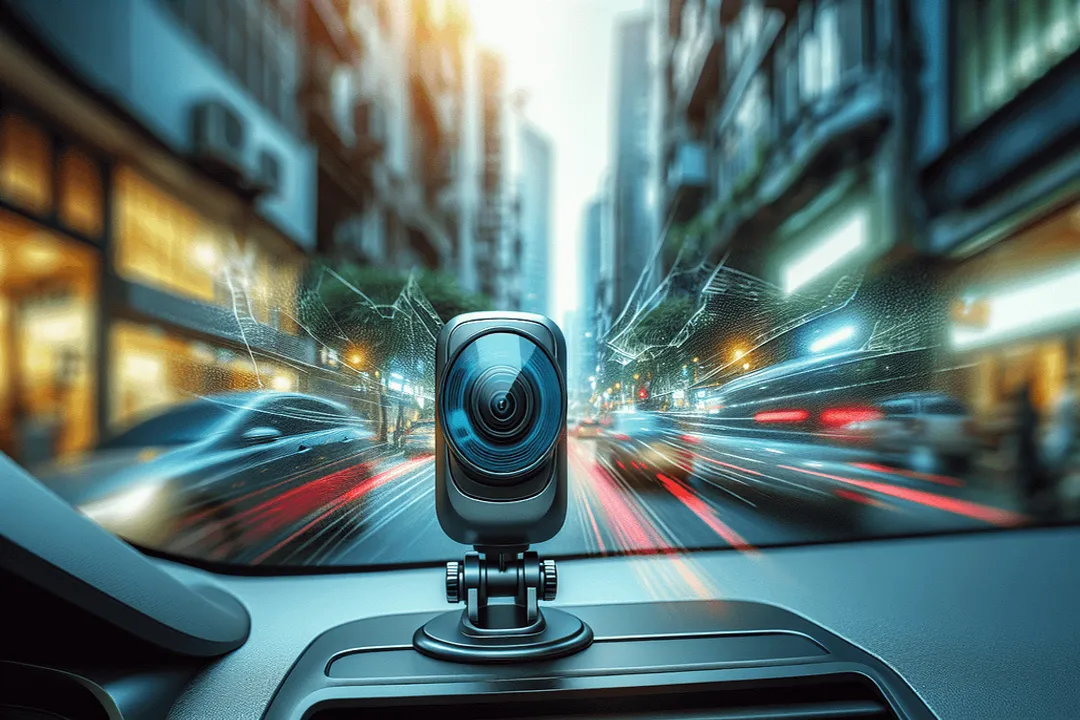
The functional application of in-car video, which begins to resemble the modern dash cam's purpose, landed firmly in the hands of law enforcement. The shift from a hand-cranked cinematic experiment to a tool for legal accountability took several decades.
By 1926, a camera was mounted to the hood of a fire chief’s vehicle in New York to record a call-out from beginning to end. A more direct precursor to the dash cam appeared in 1939 when California Highway Patrol Officer R.H. Galbraith affixed a motion-picture camera to his patrol car’s dashboard, aiming the lens out the windshield to capture moving pictures of traffic for potential evidence in court. Some historical accounts also credit H.C. Fairchild of Washington D.C. with developing an early "windshield camera" specifically to assist local police.
The technology took a significant, if bulky, leap forward in 1968. The Connecticut State Police became the first state agency to actively test video recording for monitoring traffic infractions like tailgating and improper lane switching. This setup, spotlighted in Popular Mechanics, was complex by today’s standards: a small television camera was placed on the dashboard, while the videotape recorder sat in the backseat. The trooper, Sergeant Nelson Hurlburt, had a microphone cord around his neck to narrate incidents, and the system required frequent manual adjustments for lighting, running only about thirty minutes before needing rewinding. This analog era was later marked by police departments, like one in Texas in the 1980s, using VHS cameras mounted on tripods inside their cars to record activity and ensure officer safety. The technology continued its professional development, with companies like Kustom Signals developing In-Car Video Systems for law enforcement.
# Consumer Product Launch

While police departments wrestled with tripods and bulky VHS tapes, the technology needed to shrink significantly before it could reach the average driver. The leap from specialized law enforcement gear to a recognizable consumer product involved several key developments in the 1990s and early 2000s.
One significant milestone points toward the former Eastern Bloc. The Soviet Union is noted as the first country to implement devices that resemble dash cams in their vehicles during the early 1990s, though these were primarily for official, not civilian, use and suffered from being flawed, bulky, and costly.
The true birth of the modern, dedicated consumer dash cam is attributed to a Taiwanese company. In 2001, Xtravision, based in Taiwan, manufactured the first dash cam intended for the general public. This marked the transition from an expensive, large law enforcement accessory to a potentially accessible electronic product for everyday drivers. Even after this, adoption remained slow in many parts of the world. In the US, for example, drivers in the 2000s often resorted to jury-rigging solutions, such as taping a flip phone or a point-and-shoot digital camera (like a Samsung camcorder in 2006 or 2007) to their headrest or dashboard to capture grainy video.
It is important to distinguish between these early consumer attempts and systems built for professional use. Commercial fleet systems, for instance, evolved with an emphasis on telematics—incorporating GPS and sensors—sometimes skipping the screen entirely in favor of immediate cloud uploading for safety scoring and monitoring. These professional systems show that the function of an event data recorder was being developed concurrently, often using analog media like VHS cassettes before digital storage became standard for consumers.
# Viral Popularity Gains
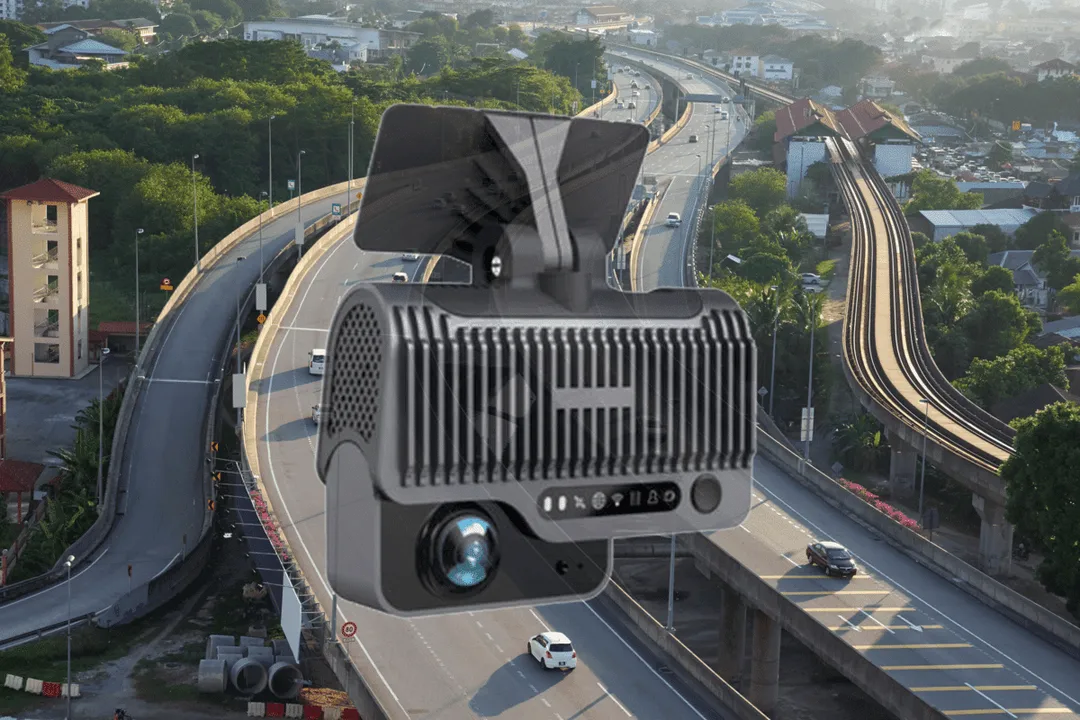
Despite the 2001 introduction by Xtravision, the dash cam did not immediately become a common fixture worldwide. Its path to global ubiquity was dramatically altered by two factors: insurance fraud and the rise of the internet.
The technology truly gained traction when Russian drivers began adopting it en masse in the early 2010s as a defense mechanism against rampant insurance fraud and questionable driving claims. Following a new law issued by the Interior Ministry in 2009 permitting citizen installation, it was reported by 2013 that over a million drivers in Russia were using at least one dash cam. This local necessity quickly turned into a global spectacle. As dash cam footage capturing bizarre events—like the spectacular 2013 Chelyabinsk meteor explosion, which was documented from over a dozen angles—surfaced on platforms like YouTube, global interest exploded.
This viral exposure fundamentally changed the perception of the device in other markets. What was once seen as an oddity used only by police or paranoid drivers became viewed as a practical tool for establishing objective truth in accidents. This shift fueled massive sales growth, such as the 395% spike in the UK in 2015.
The continued advancement from those grainy 1980s VHS tapes to today’s high-definition cameras is astounding. Early analog systems made footage transfer time-consuming and provided poor clarity, making license plate identification a challenge. By contrast, modern devices often offer 4K resolution, GPS logging, G-sensors for automatic incident saving, and Wi-Fi/4G connectivity for instant cloud access, meaning the era of manually managing magnetic tapes is long gone. This evolution in storage and connectivity solved the major logistical headache that plagued early in-car video systems; while the 1968 Connecticut setup required constant rewinding of short tapes, today's commercial systems can utilize 4G to stream live or upload incident footage instantly to a central portal, a massive gain in efficiency for claims management and driver coaching.
In summary, no single person invented the dash cam; rather, its history is a lineage of vehicular recording innovations. William Harbeck created the earliest footage from a vehicle in 1907, Officer Galbraith created an early law enforcement tool in 1939, and Xtravision in 2001 appears to be responsible for creating the first consumer version of the device that sits on dashboards today. The final crucial step was cultural and technological adoption, driven first by Russian necessity and then by global internet fascination.
#Videos
History of Dash Cams | BlackboxMyCar - YouTube
Related Questions
#Citations
Dashcam - Wikipedia
The History of In-Car Video - Kustom Signals
The history of the dash cam - Aguri
History of Dash Cams | BlackboxMyCar - YouTube
History of Dashcams [2022 Short Documentary] | DashCamTalk
The Evolution Of Dash Cam Technology: Video Footage vs. Live ...
Brief History Of Dashcams And Their Rise In Popularity.
Evolution of the Dash Cam: Accessory to Commercial Necessity