What was the first bicycle brand?
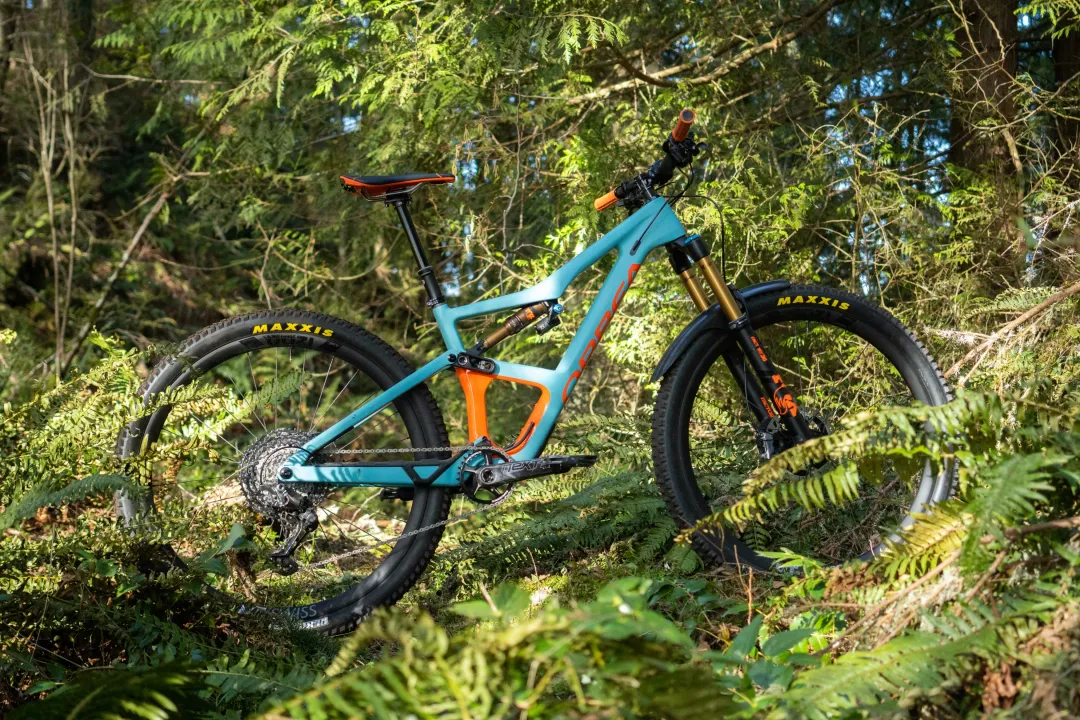
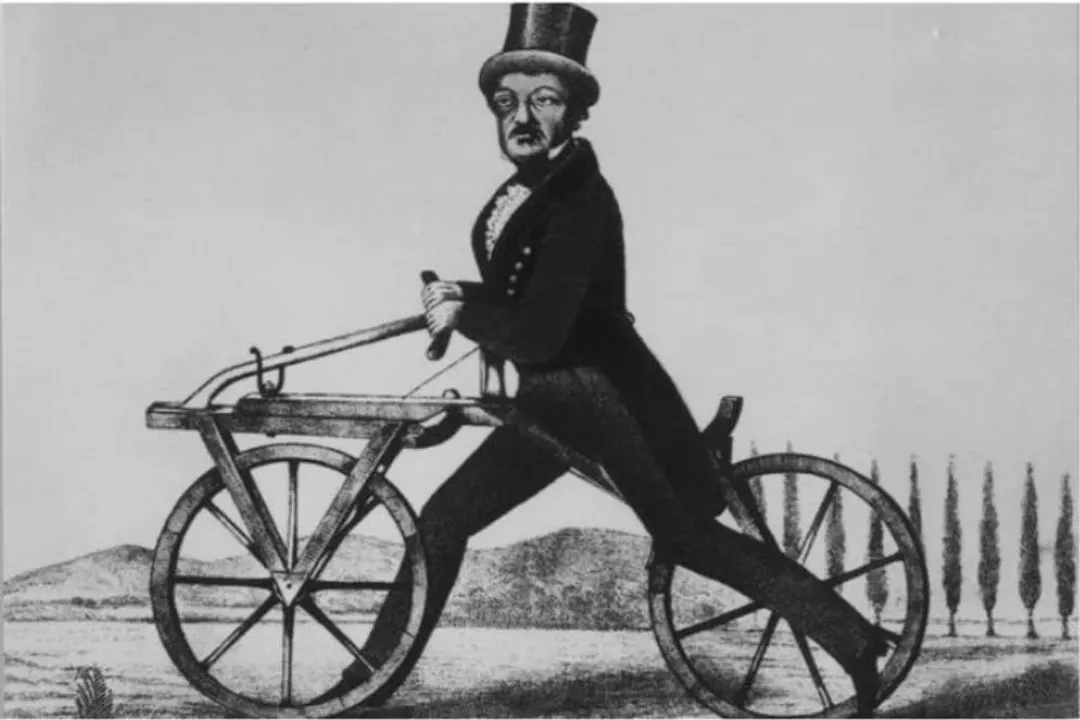
Tracing the genesis of the bicycle brand requires looking past the invention itself and into the era of mass production and recognizable trade names. Determining a single "first" is challenging because the bicycle evolved through distinct stages, from the earliest human-powered gliders to the pedal-driven machines that defined the late 19th century. The earliest forms, like the Laufmaschine or Draisine developed by Karl von Drais in 1817, were simple wooden structures propelled by pushing off the ground; these lacked the mechanical sophistication that would necessitate formal branding or commercial factories as we understand them today.
# Early Devices
Before a true "brand" could be established, the core mechanism needed standardization. The next significant step involved adding rotary cranks and pedals, leading to the velocipede—dubbed the "boneshaker" due to its rigid wooden wheels and iron tires. While early manufacturers, particularly in France and England, began producing these machines in the 1860s, record-keeping for specific company names or brand continuity from this initial surge is often murky. These were the first vehicles built specifically for the purpose of cycling, marking the true birth of the industry, even if the brand identity was fleeting.
The high-wheeled bicycle, commonly known as the penny-farthing, dominated the 1870s and 1880s. This design necessitated high levels of metalworking skill and better wheel construction, including the introduction of wire spokes and solid rubber tires, which raised the bar for manufacturing quality. It was during this period, as cycling gained popularity as a sport and a means of personal transport, that established manufacturers began to consolidate their identity around their products.
# Oldest Claim
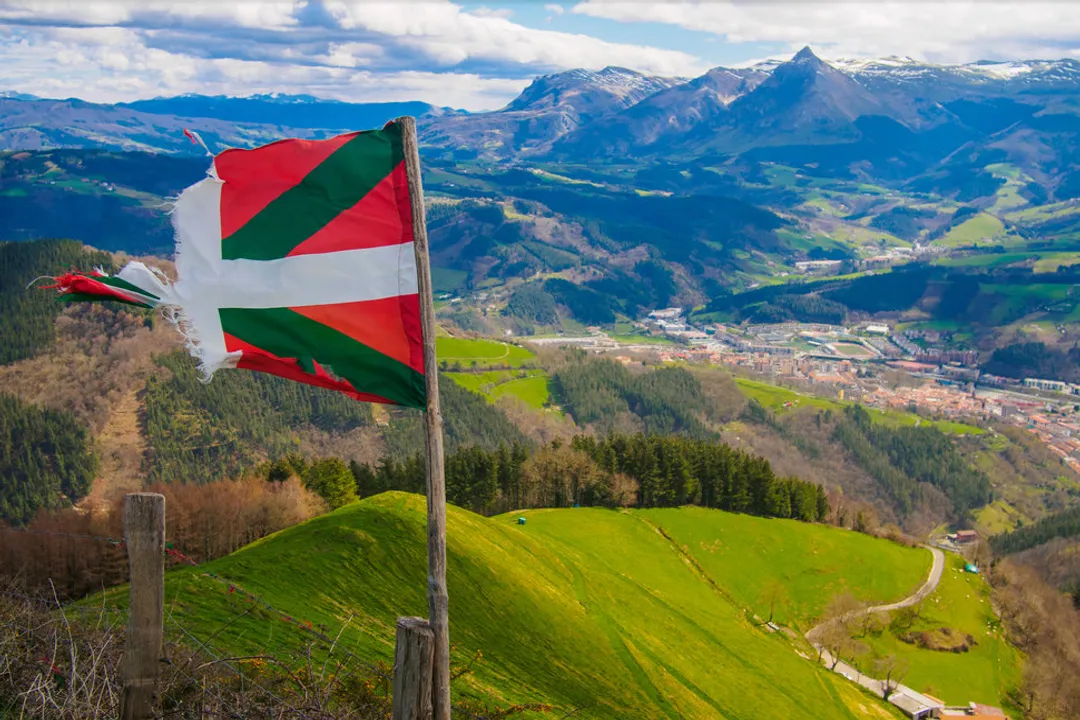
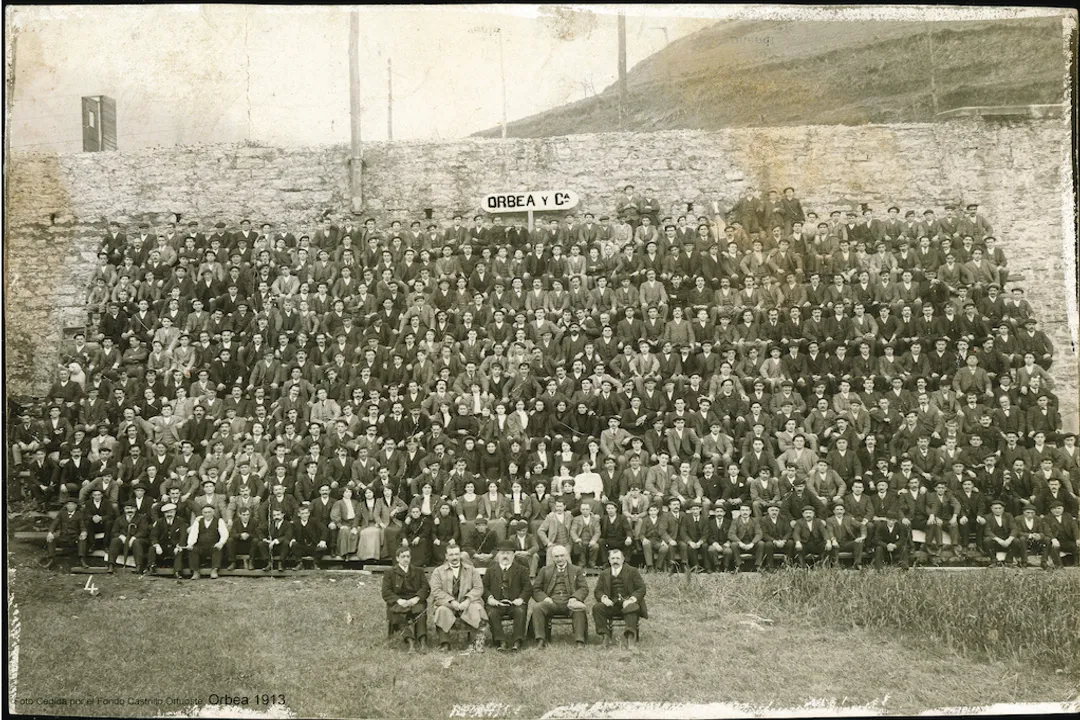
When examining the oldest bicycle brand still operating today, the focus often settles on companies that pivoted from other metalwork industries to embrace the cycle boom. One strong contender frequently cited is Orbea, based in Eibar, Spain. While Orbea is recognized as one of the world's oldest bike brands, the company itself was established earlier than its cycling focus. Orbea was founded in 1897 initially to manufacture firearms and later sewing machines. It was only in 1897 that the company dedicated itself to producing bicycles, capitalizing on the rapidly expanding market for two-wheeled transport.
This timeline places Orbea as a major, long-lived cycling entity, but the question of oldest depends heavily on the definition used. If the metric is the longest continuously operating company that now makes bicycles, Orbea has a compelling case originating from its founding date as a manufacturing concern, though its dedicated cycle production started later in the century.
# Italian Pioneer
Arguably, if the criterion for the first brand is the earliest establishment date specifically for bicycle manufacturing, the Italian house of Bianchi holds a significant position. Founded by Edoardo Bianchi in Milan in 1885, the company began life explicitly dedicated to making high-quality cycles. Bianchi’s early dedication to improving the machine is well documented; Edoardo famously refused to sell a bicycle until he had perfected it, and he was key in developing innovations like the steel-tubing frame and, eventually, pneumatic tires.
The contrast between Orbea and Bianchi highlights a common pattern in industrial history. Orbea's longevity stems from its adaptability, successfully transitioning from munitions to machines for leisure and transport. Bianchi’s story, conversely, is one of focused specialization from the outset in the specific technology of the bicycle, allowing it to achieve rapid recognition within the cycling world early on.
# American Entry
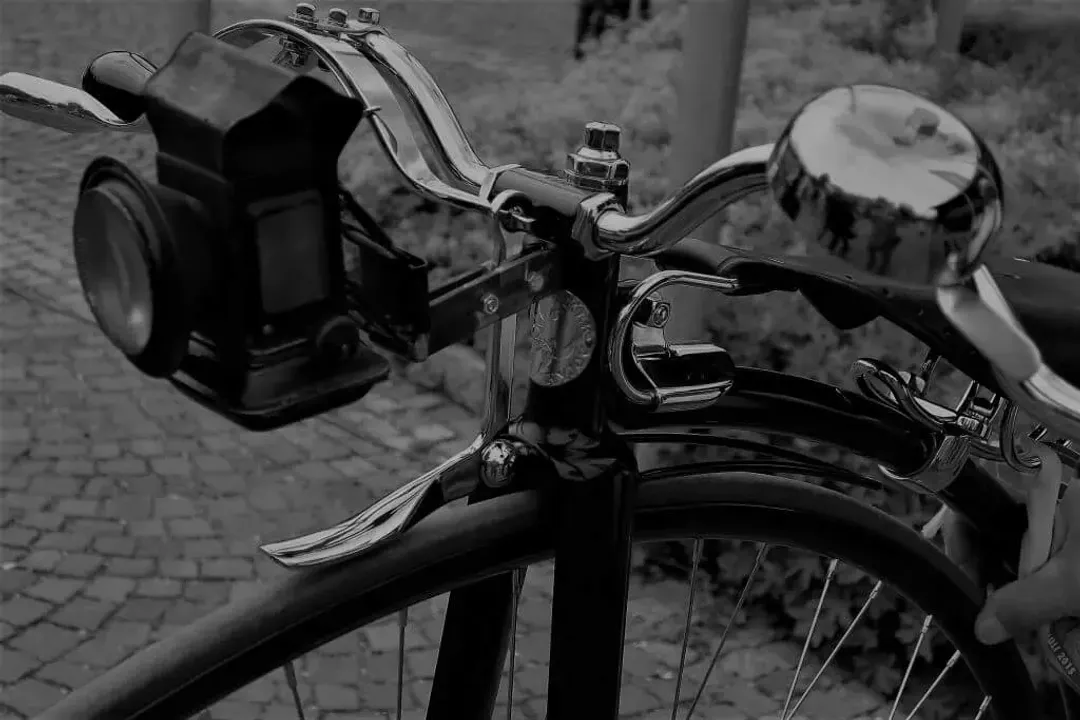
While European pioneers often led the charge, the development of the bicycle in the United States also involved key figures and manufacturers who established early brand presence. The refinement of the crank-and-pedal design, often credited to Pierre Lallement's US patent in 1866, spurred local manufacturing. For instance, historical records show that the first bicycles built in America—likely velocipedes—were constructed in Newark, New Jersey, around 1868. Although the specific names of the companies that first built and sold these American machines might be obscured by the flurry of early patents and small workshops, this period marked the beginning of domestic branding efforts across the Atlantic.
# Brand Evolution
The transition from workshop production to true brand recognition required more than just making a good machine; it needed marketing and technological leadership. By the late 1800s, the industry saw the proliferation of numerous short-lived bicycle makers who failed to survive the massive market shifts that occurred with the invention of the safety bicycle—the diamond-framed, chain-driven design that resembles modern cycles. Only manufacturers with sufficient capital, production capacity, or groundbreaking technology could weather these transitions.
It is interesting to note how often early industrial strength dictated success in the cycling boom. The ability to consistently produce lightweight, yet strong, metal tubing became a competitive advantage. Manufacturers already possessing expertise in precision metal forming, whether from clockmaking, weapon smithing, or fine machinery, were naturally positioned to enter the bicycle market successfully. This industrial crossover meant that the "first" brand wasn't necessarily the first to think of a bicycle, but the first to have the necessary manufacturing base ready when the market exploded. For example, a company like Orbea, transitioning from arms manufacturing, already had the required metallurgical knowledge for high-quality frames.
# Defining Longevity
When assessing which company holds the title of the oldest brand, one must weigh the evidence carefully. If we accept that a bicycle brand must have been founded with the intention of making bicycles, Bianchi (1885) holds a very strong claim. However, if we accept the oldest continuously operating manufacturing company that eventually specialized in cycles as the benchmark, Orbea (Company founded earlier, cycle production from 1897) enters the discussion. A simple comparison of their dedicated cycling start dates favors Bianchi, but the overall industrial history of Orbea provides context on the nature of early manufacturing pivots.
What these venerable companies share, regardless of their exact founding date distinction, is their early recognition of the need for continuous mechanical improvement. From the heavy boneshakers to the introduction of pneumatic tires by pioneers like Dunlop and subsequent adoption by manufacturers such as Bianchi, the cycle industry was defined by rapid, iterative engineering. This commitment to refinement is what allowed these early marques to outlast the thousands of smaller, less adaptable workshops that sprang up and quickly disappeared in the late 19th century.
Related Questions
#Citations
History of the bicycle
Famous Bicycle Brands and Companies
First Bicycles Built in America
The History of Bicycles: When was the First Bike Invented
Oldest bike brand of all time? The story of Orbea.
The History & Evolution of the Bicycle
The first bicycles | Bricsys Blog
Which bicycle maker is the oldest in the world?
10 curiosities you didn't know about the bicycle brand Bianchi