Who made the first plastic soda bottle?
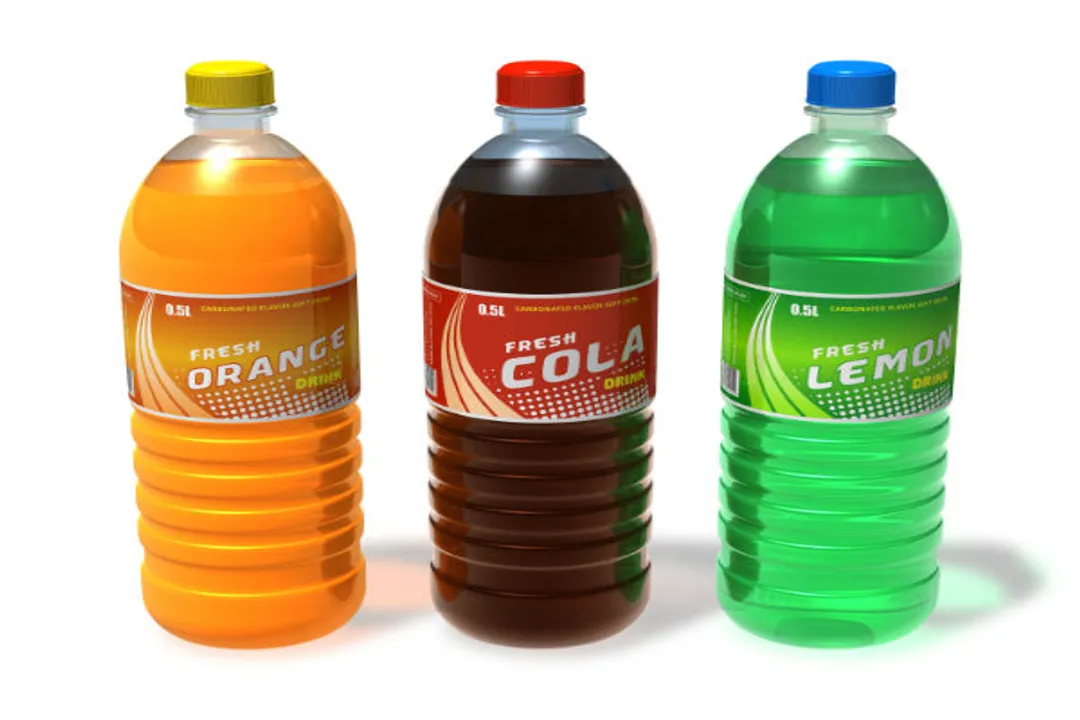
The shift from heavy, breakable glass to lightweight, shatterproof plastic fundamentally altered how the world consumes carbonated soft drinks. This packaging revolution, which seemed instantaneous to the consumer, was the result of dedicated engineering and material science breakthroughs spanning years. The individual most frequently credited with inventing the plastic soda bottle, a container that would eventually define modern convenience packaging, was Nathaniel Wyeth. [3][4]
# Glass Revolution

For decades, soft drinks were synonymous with glass bottles. These containers were sturdy enough to hold the carbonation required for sodas, but they came with significant drawbacks: weight, fragility, and the cost associated with cleaning and reusing them—or the landfill burden of discarding them. [6] The industry was ripe for disruption, seeking a container that could offer similar performance in pressure containment but with vastly improved portability and lower shipping costs. [9]
# Wyeth's Focus
Nathaniel C. Wyeth was an inventor whose career spanned various areas, but his work at DuPont would cement his place in packaging history. [1][4] He is recognized specifically for developing the plastic beverage bottle. [9] At the time, the goal was to replace the glass container, moving toward a lighter alternative that could still safely handle the pressure exerted by carbonated liquids. [3] Wyeth’s success involved mastering the material science necessary to create a container that was both strong and inexpensive to mass-produce. [4] His pioneering efforts in this field earned him recognition later in life, including induction into the Plastics Hall of Fame. [4]
# DuPont Lab Work
Wyeth’s critical development centered on the use of a polymer that could withstand the rigors of bottling, shipping, and consumer handling while remaining transparent enough to showcase the beverage inside. [9] The polymer that ultimately triumphed in this application, and the one Wyeth’s work paved the way for, was polyethylene terephthalate (PET). [9] While glass bottles had a standardized capacity, the ability to mold PET into specific shapes allowed beverage companies to rethink branding and ergonomics. Consider the logistical transformation: a truck carrying liquid in glass bottles could only carry a fraction of the product compared to a truck carrying the same volume in light plastic containers, fundamentally altering the economics of national distribution almost overnight. [2] This weight advantage, made possible by Wyeth's innovation, translated directly into lower fuel consumption for transport and reduced physical strain for retailers stocking shelves.
# Commercial Debut
While Nathaniel Wyeth is lauded as the inventor of the technology that made the plastic bottle possible, the story of its first major commercial application involves other large chemical and beverage entities. [3][4] One account specifically credits Monsanto with producing the very first plastic soda bottle intended for widespread market use, which was reportedly made for Coca-Cola. [7] This suggests that while DuPont, through Wyeth, developed the core plastic container technology, a partnership with a major manufacturer like Monsanto may have been necessary to scale the process and gain the necessary buy-in from a beverage giant like Coke to introduce the product to consumers. [7] The introduction of the plastic soda bottle was a significant departure, requiring companies to adapt their filling lines and quality control processes away from the rigid, familiar environment of glass. [2]
# Material Science
The challenge wasn't merely creating a plastic vessel; it was creating one that performed as well as glass under pressure. Glass maintains its shape inherently due to its rigidity. Plastic, particularly the early forms, required careful engineering to manage the internal forces of carbonation without deforming or leaking. [9] Wyeth’s contribution was instrumental in solving this material problem, allowing the PET bottle to become the standard for carbonated soft drinks. [9] The material had to balance strength against cost, and crucially, against the ability to be recycled later on, a consideration that has evolved significantly since the bottle's inception. [6]
# End of an Era
Nathaniel Wyeth passed away in July 1990 at the age of 78. [3] By that time, the change he helped initiate was complete; the plastic bottle had largely replaced glass for many high-volume soft drink sales, becoming a staple of modern consumer life. [2][3] It is interesting to note how quickly the public adopted the new standard. Despite the initial novelty, consumers swiftly took the convenience for granted, an indicator of how effectively the PET bottle met an existing, unfulfilled need in the market for a durable, lightweight single-use package. [9]

# Legacy of Convenience
The widespread adoption of the PET bottle presents an interesting case study in industrial evolution. The replacement of glass wasn't just a substitution of material; it was a complete overhaul of the supply chain and consumer expectation. [6] In an era where bottling companies were already dealing with the labor and logistics of returned glass, the single-use plastic option offered a massive operational simplification, despite the long-term environmental questions it would later raise. [6] Wyeth’s initial design—the plastic beverage bottle—became ubiquitous because it solved immediate, tangible problems for bottlers and distributors, long before recycling infrastructure could catch up to the volume being produced. [9] The successful marriage of Wyeth’s design expertise with the specific properties of PET resin created an object that, while simple in appearance, represents a major milestone in chemical engineering applied to consumer goods.
Related Questions
#Citations
Nathaniel Wyeth (inventor) - Wikipedia
Nathaniel Wyeth; Invented Plastic Soda Bottle - Los Angeles Times
N. C. Wyeth, Inventor, Dies at 78; Developed the Plastic Soda Bottle
Wyeth, Nathaniel C. - Plastics Hall of Fame
Engineer's Art - MIT Technology Review
History - Plastic Bottle Village
Did you know? Monsanto produced the first-ever plastic soda bottle ...
Nathaniel Wyeth – Got a lot of bottle - The Chemical Engineer
The History of Plastic Bottles - RecycleNation