What did we use before ballpoint pens?
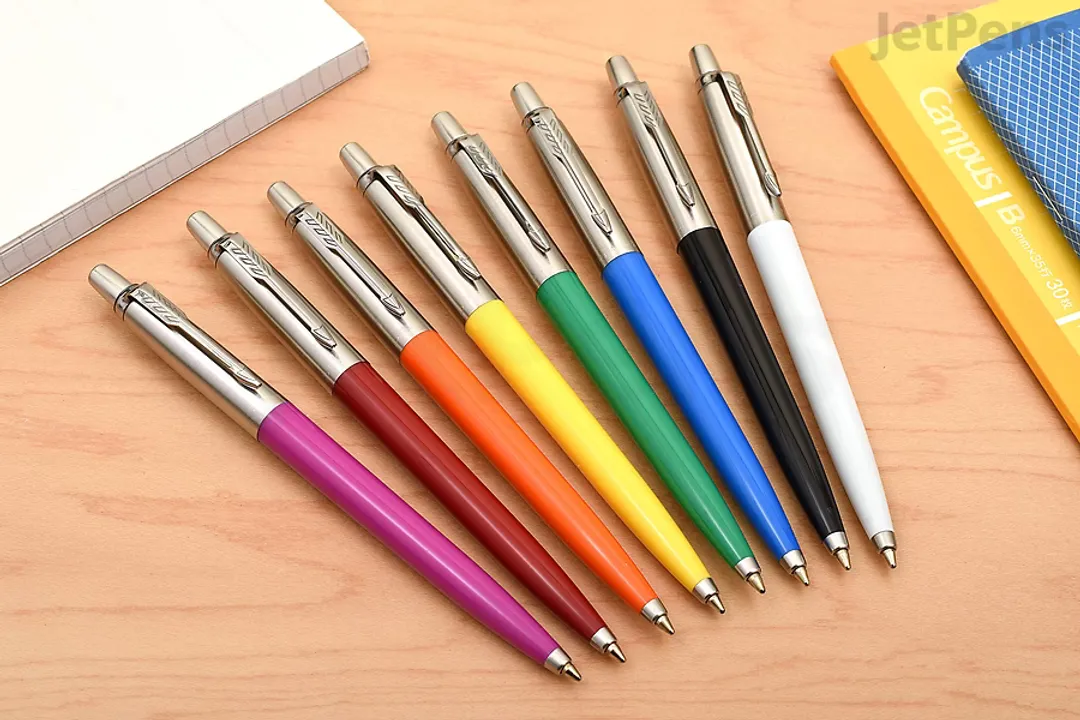
The world before the ballpoint pen was one defined by the ritual of writing. Before the quick, reliable click of a modern pen, putting thoughts to paper was a significantly more involved, and often messier, process. For centuries, writers, clerks, students, and diarists relied on tools that required constant attention to the ink supply, the nib's condition, and the paper's readiness to receive the liquid. The advent of the ballpoint pen in the mid-20th century wasn't just a small upgrade; it represented a profound break from centuries of tradition tied to the mechanics of fluid ink delivery. [1][4]
# Feather Tools
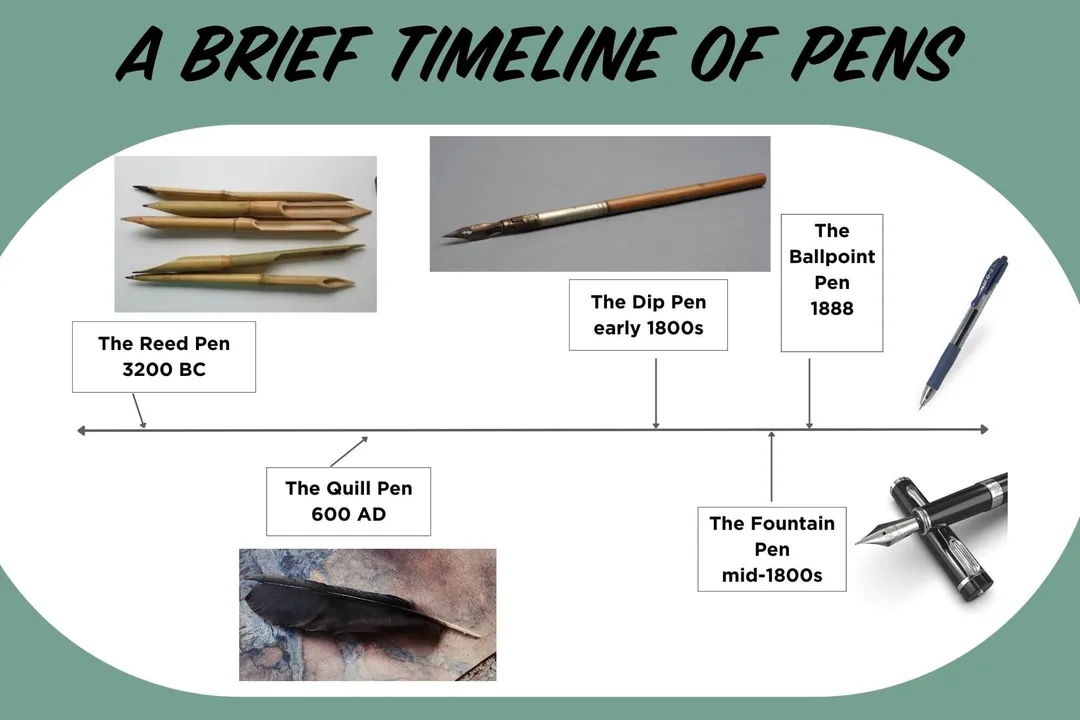
The oldest common writing instrument relied on nature itself: the quill pen. These were fashioned from large flight feathers, typically from geese or swans, which were prized for their strength and flexibility. [4][7][9] The process began by hardening the barrel of the feather, often by heating it, before carefully cutting the tip into a point—a process known as curing or quilling. [7] A writer using a quill had to maintain that fine point through constant use; it would become dull or frayed quickly, necessitating frequent trips to a penknife to re-sharpen the tip. [4][7][9]
This necessity of frequent maintenance meant that uninterrupted flow of thought was difficult to sustain. Every few sentences, the writer had to pause, assess the point, and shave off a tiny sliver of feather to restore a writing edge sharp enough to draw a fine line. [7] Furthermore, the quill, like its successors, was useless without ink, demanding constant dipping into a separate inkwell. [4][9] This restricted movement and tethered the writer to their desk or a portable ink supply setup.
# Metal Nibs
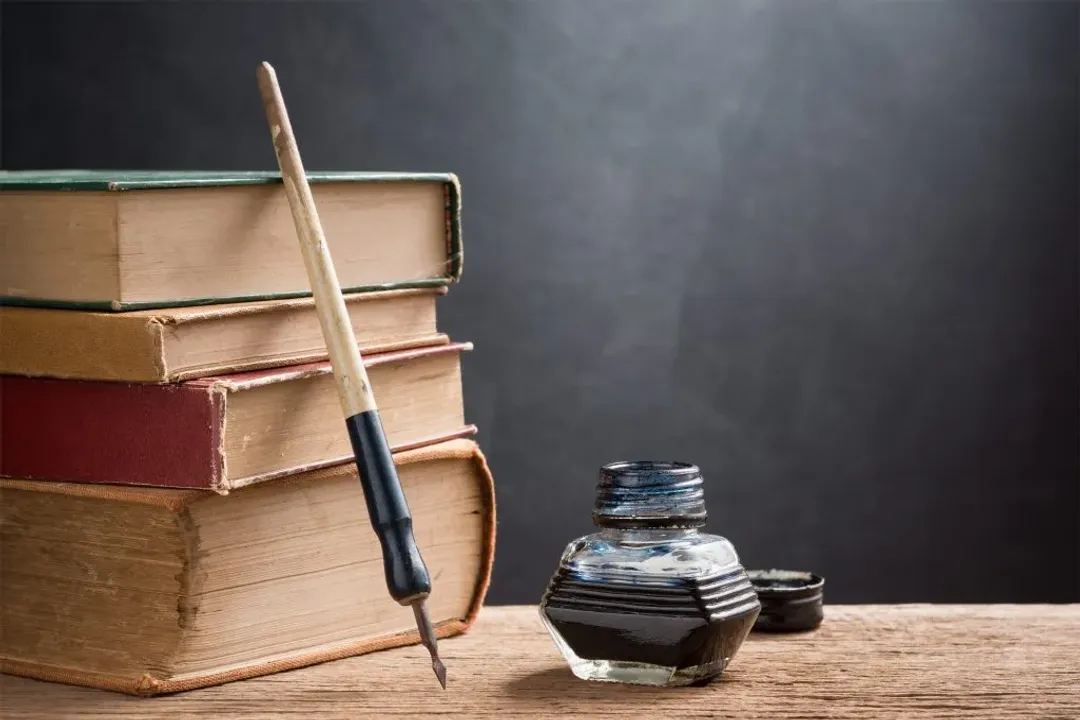
As manufacturing techniques advanced, particularly during the Industrial Revolution, the fragile quill gave way to a more durable alternative: the metal dip pen. [4][7] These pens featured a thin piece of metal, usually steel, shaped into a nib that replicated the function of the sharpened quill tip, complete with a split down the middle to aid ink flow via capillary action. [4][7]
Metal nibs offered tremendous advantages in consistency and longevity over feathers. A single steel nib could outlast numerous quills. [7] However, the fundamental drawback remained: they were dip pens. The writer was still completely dependent on an external source of liquid ink. [4][9] For anyone needing to write quickly or under less-than-ideal conditions—such as taking field notes or documenting events on the move—this dependency was a significant practical limitation. [2] The ink would often skip if the writer moved too fast or blotted heavily if they paused too long. [4]
# Ink Challenges
The primary hurdle faced by all pre-ballpoint liquid ink systems was managing surface tension and viscosity. Both quills and metal nibs relied on thin, water-based ink that flowed easily onto the paper via capillary action. [4][7] While this created fine lines, it also led to significant operational issues.
Consider the simple act of drafting correspondence or keeping a diary. If you pressed too hard with a fountain pen, or if the ink flow was momentarily interrupted and then resumed with pressure, you could get a dreaded blob of ink—a dark, unsightly blotch that ruined the page. [4] These pens were also notorious for leaking, especially when subjected to changes in air pressure, such as traveling by air or even just carrying them in a warm pocket. [2] Paper quality also played a massive role; cheap, absorbent paper would cause the ink to bleed and feather, making the writing look fuzzy and unprofessional. [7]
If we look at the practical side of historical office work before the mid-1900s, record-keeping required a level of physical management we rarely consider today. A clerk couldn't just toss a ledger into a satchel; they had to ensure the pen was carefully capped or secured, knowing a minor jostle could mean a ruined document or stained hands. [2] This necessity for meticulous handling meant that the actual speed of transcription was often much slower than the speed of the writer’s hand, bottlenecked by the pen’s mechanical limitations. [4]
# Fountain Pen Era
The closest ancestor to the modern pen was the fountain pen, which began gaining popularity in the late 19th and early 20th centuries. [2][7] The genius of the fountain pen was its internal ink reservoir, which eliminated the constant need to dip the pen into an inkwell for short bursts of writing. [4][9] The ink was fed from this reservoir, usually through a feed mechanism, down to the metal nib. [7]
Early fountain pens, like those developed by figures such as Lewis Edson Waterman in the 1880s, were significant breakthroughs in creating a consistent, non-leaking flow. [2][7] Waterman’s early designs focused heavily on controlling the feed to prevent the inconsistent flooding that plagued earlier attempts at self-inking pens. [2] Despite these advances, they still utilized liquid ink, meaning the same issues of smudging, slow drying times, and sensitivity to altitude or movement persisted to a degree. [4][7] Even a well-designed fountain pen required a certain finesse; if the writer held it at the wrong angle, the ink would stop flowing until the nib re-established contact with the paper feed channel. [9]
For tasks requiring high formality or permanence, like signing legal documents or creating official records, the fountain pen (often using indelible blue or black ink) remained the instrument of choice for decades, valued for the distinct, rich line it produced, far superior to a simple graphite mark. [5]
# Everyday Writing
When considering what people used for less formal tasks, such as jotting down daily thoughts in a diary or making quick, casual notations, the landscape was more varied. For those moments when a smudge was unacceptable, or when writing quickly without access to a proper ink setup, pencils—specifically those utilizing graphite—were the go-to solution. [4] Pencils offer immediate usability; they write on almost any surface and the marks can be erased. [5]
However, a pencil mark lacks the permanence and visual weight of ink. If someone was writing personal reflections, hoping they would last, they likely faced a choice: use the superior permanence of a liquid ink instrument (like a fountain pen, accepting the risk of smearing) or use the convenience of a pencil and sacrifice the permanence. [5] Before the ballpoint, there was no single tool that perfectly balanced both immediacy and archival quality for the common user. The ballpoint changed this calculus entirely by introducing an oil-based ink that dried almost instantly upon contact with cellulose fibers in the paper. [1][4]
If we analyze the workflow of an average person in the 1930s tasked with keeping a travel journal, they would likely carry a reliable pencil for quick entries in varied weather, and perhaps a tightly capped fountain pen with a portable ink bottle or cartridge for entries made at a hotel desk. This dual carrying requirement speaks volumes about the missing link in writing technology—a robust, all-purpose instrument. [2][4]
# The Arrival
The eventual transition away from liquid ink was driven by a desire for practicality, particularly in aviation and the military, where altitude changes frequently caused fountain pens to malfunction. [1][6] László Bíró, a Hungarian journalist, is credited with developing the practical, commercially viable ballpoint pen in the late 1930s and perfecting it in Argentina after fleeing Europe. [1][6]
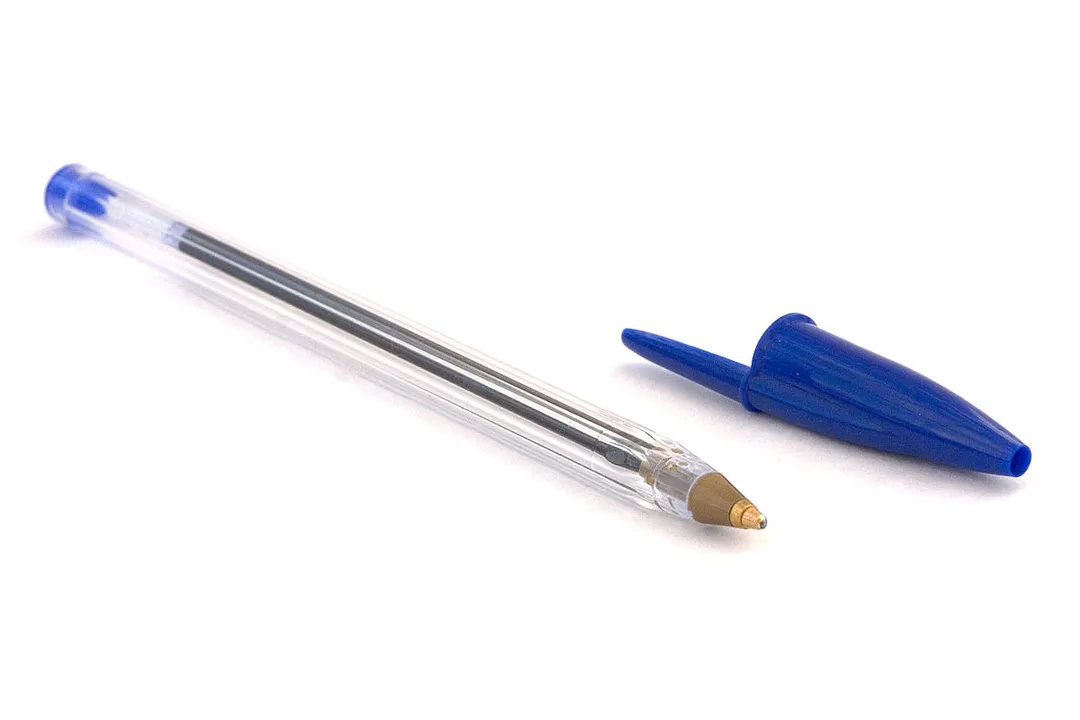
Bíró observed that the ink used in newspaper printing dried quickly and did not smudge, realizing that a thicker, oil-based ink would solve the leakage problems inherent in fountain pens. [1][4] The key innovation was the ball-and-socket mechanism: a tiny, free-rolling ball resting in a socket dispenses the viscous ink as it rolls across the page. [1][4][6] This seemingly small change meant the ink was shielded from the air, preventing evaporation, and it required pressure to flow, eliminating the gravity or capillary feed that caused leaks in previous designs. [4] The first commercial pens, like the Bíró pen (later sold as the Reynolds Rocket in the US), quickly demonstrated their ability to write cleanly on almost any surface, making them immediately attractive to airmen and others requiring dependable tools. [1][6] The era of the messy inkwell and the delicately balanced nib was officially coming to a close for everyday use.
Related Questions
#Citations
Ballpoint pen - Wikipedia
The History of Pens - Executive Pens Direct
How the Ballpoint Pen Changed the Way We Write - JetPens
History Of The Ballpoint Pen - The Online Pen Company
The Greatest Pen Inventions of All Time - Blog - Pen Heaven
When Were Ballpoint Pens Invented? – A.T. Cross
How did people write in their Diaries/journals before ballpoint pens ...
Right To The (Ball) Point: A Short History Of Pens - Pens Unlimited
The History of Pens - Busy Beaver Button Co.