When were chains first used on cars?
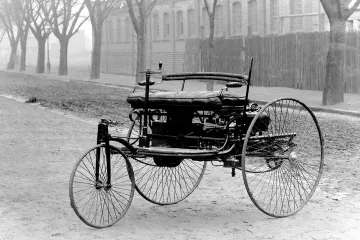
The concept of linking metal pieces together predates mechanized transport by millennia, yet the application of these links specifically to automobile wheels—to conquer treacherous terrain—occurred almost as soon as motorized vehicles became a practical reality. The immediate need arose not from engine power issues, but from the sheer lack of developed infrastructure. In the very early days of motoring, the roads, often little more than muddy tracks or rutted dirt paths, offered virtually no grip for the hard rubber tires emerging at the turn of the 20th century. [1][5] Drivers quickly discovered that any significant incline or slick surface rendered their expensive new machines useless. [1]
# Ancient Links
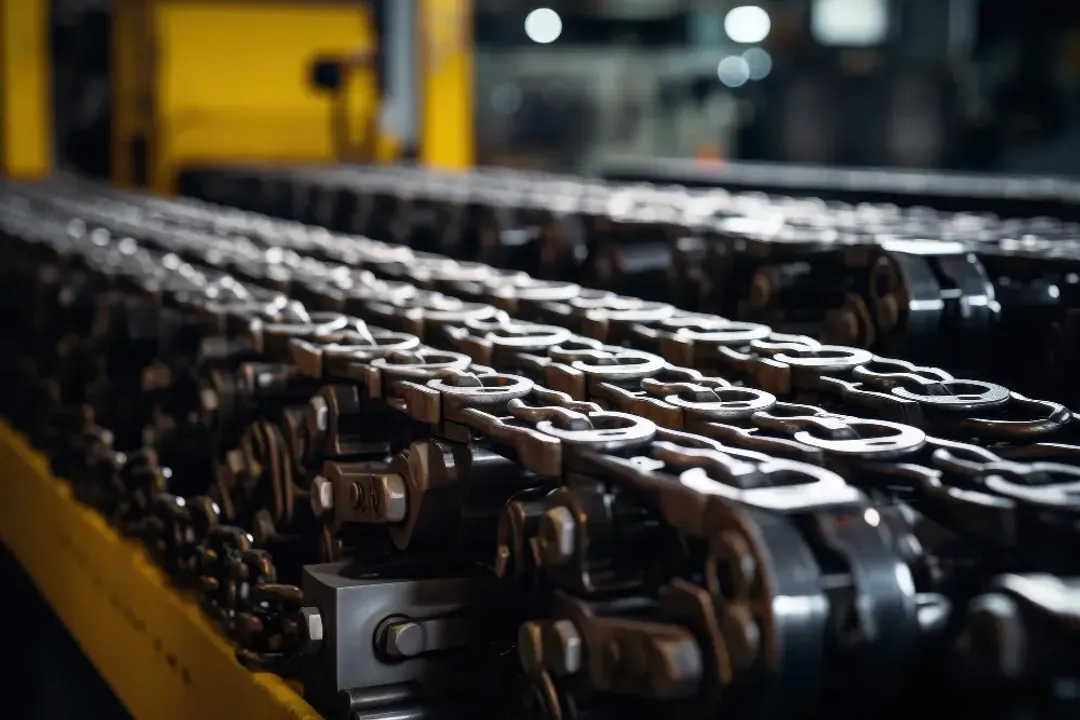
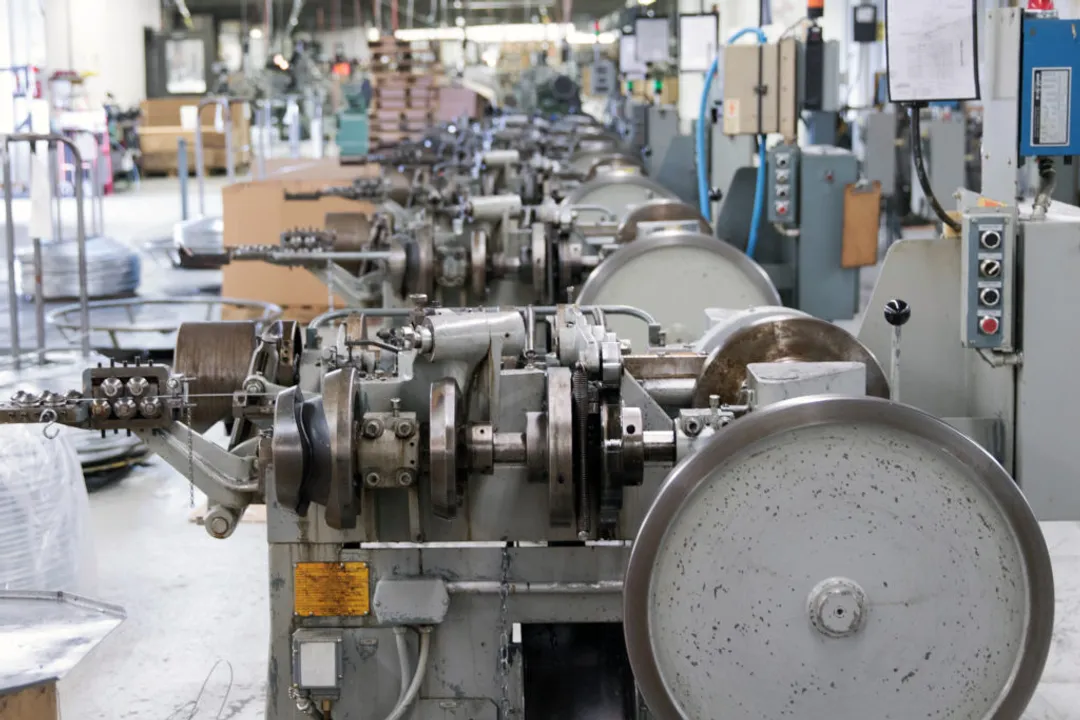
To appreciate the necessity of traction aids, it helps to remember that chain technology itself is ancient. While we trace the first automotive chain applications to the 1900s, the fundamental concept of interconnected metal links for strength and flexibility dates back to antiquity. [8] Early chains were critical for lifting heavy objects in construction or operating well mechanisms. [8] By the Middle Ages, chains were being manufactured for various mechanical purposes, illustrating a long history of metallurgical expertise. [4] This existing expertise in metal forging and linking provided the foundational knowledge necessary when inventors later sought to adapt the concept for vehicle traction.
# Road Conditions

The first automobiles faced a world built for horses and pedestrians, not internal combustion engines rolling on solid or pneumatic rubber tires. [5] Early rubber tires, even when pneumatic, struggled severely with mud, snow, and ice. [1] Unlike today, where paved roads dominate, early 20th-century driving meant navigating deep ruts and slippery conditions that could halt even the most powerful early engines. [5] The very earliest attempts at winter driving or off-road travel were often characterized by drivers having to stop and lay down planks of wood or brush in front of the tires just to gain a few feet of purchase. [5] This crude problem-solving clearly indicated the need for a purpose-built, durable solution to bridge the gap between the tire tread and the slippery surface.
# Traction Patent
The formal invention and patenting of chains specifically designed for vehicle wheels happened in the early years of the 20th century, directly addressing this traction crisis. [1] While various informal methods were likely tested by desperate drivers immediately after the mass production of cars began, the earliest documented patents point to the period around 1904 to 1906. [1][5] One of the most commonly cited milestones involves the patent granted to Harry D. Weed in 1904 for a "Tire Grip" or "Tire Chain". [1][5] Weed’s design essentially comprised a net of chains fastened around the circumference of the tire, intended to bite into the surface when the tire spun. [1] Other inventors followed rapidly, refining the pattern and fastening mechanisms. [5] This timing—just a few years after cars started becoming relatively common—underscores how quickly the engineering challenges of mobility outpaced infrastructure development.
The initial designs were, by modern standards, quite rudimentary, often consisting of heavy metal links secured by simple clamps or hooks. [1] What is fascinating is that while these traction aids were being developed, the parallel technology of the drive chain was also advancing significantly. [7][9]
# Power Systems
It is important to distinguish between the chains used to grip the road and the chains used to power the wheels. While tire chains were a necessary accessory, continuous roller chains were being perfected for primary drive systems in the same era, sometimes even earlier. [7][8] Early bicycles often used friction drives or other systems before the development of the reliable, efficient roller chain drive we recognize today, which gained significant traction in the late 1800s. [7][9] Similarly, silent chains, which offered quieter operation, were also being developed for engine timing applications. [6]
This concurrent development highlights an interesting engineering divergence: on one hand, inventors were creating highly precise, internally-focused roller chains for transmitting power reliably, which required tight tolerances and specific metallurgy. [7][9] On the other hand, they were simultaneously designing the robust, external, often irregular patterns of tire chains whose main job was simply to make solid, abrasive contact with external elements like ice and mud. [1] The tire chain had to withstand constant battering and sudden impacts from road debris, whereas a well-maintained drive chain operated in a much more controlled, lubricated environment. [1][5]
When considering the materials, early tire chains likely used common iron or basic steel, materials that provided necessary hardness but suffered from rapid wear and the potential for breaking links under extreme stress, especially if drivers failed to remove them promptly once they reached pavement. [5] This leads to an insight about the early driving experience: unlike today, where removing chains is a matter of convenience or light maintenance, for early motorists, leaving chains on too long after the snow ended probably meant rapid destruction of the new, expensive rubber tires underneath, creating an urgent secondary reason to stop and remove them as soon as conditions permitted. [5]
# Design Patterns
The basic netted design patented by Weed proved effective enough to form the blueprint, but constant refinement was necessary to improve durability and ease of installation. [1] Over the next few decades, various cross-link patterns emerged to distribute the load and improve turning capability, moving away from simple straight-line wraps. [1]
A key area of evolution involved the fastening mechanism. Early designs were notoriously difficult to secure properly, often requiring the driver to work on hands and knees in the very muck they were trying to escape. [5] Later innovations focused on making the chains easier to drape over the tire and connect without needing to physically move the vehicle several times to align the end hooks—a critical improvement for driver convenience and safety in freezing conditions. [5] The shift from heavy, cumbersome links to lighter, case-hardened alloy steels allowed for smaller, tighter links that provided better traction without adding excessive weight or bulk to the tire assembly. [1]
If we were to map the typical chain usage across the first two decades, we might observe:
| Era | Primary Road Surface | Chain Requirement | Typical Chain Feature |
|---|---|---|---|
| 1900–1905 | Dirt, Mud, Gravel | Extreme Traction Aid | Simple netting, heavy links [1][5] |
| 1905–1915 | Early Paving, Snow | Snow/Ice Traction | Patented patterns, improving fasteners [1] |
| 1915–1920 | Expanding Pavement | Dedicated Winter Use | Lighter alloys begin appearing |
This progression shows that the chain was not a static invention but a responsive technology, immediately adapting to the increasing speeds and loads of improved early automobiles. [1]
# Enduring Necessity
Even as roads improved significantly through the 1920s and beyond, the fundamental physics of driving on ice and deep snow remained unchanged. This is perhaps the most important takeaway: while the quality of the roads improved, the behavior of ice did not. [5] The very features that made modern, precisely engineered roller chains essential for power transmission—strength, articulation, and durability—were adapted in principle to the external traction chain. The initial panic-driven invention of 1904 evolved into a standardized piece of safety equipment. [5] The earliest chains were a necessary evil, forcing drivers to confront the limitations of early automotive rubber technology; today, they remain a critical tool for navigating extreme winter environments, demonstrating the longevity of that initial, brilliant solution to a very slippery problem. [1]
Related Questions
#Citations
History of Tire Chains
When Were Chains Invented? A Historical Overview
Chain drive - Wikipedia
History of Chain Manufacturing
History of Tire Chains - TireChain.com Help Center
History of Silent Chains - Ramsey Products
The History of Roller Chain - Hercules Lifting
A Brief History of Chain
The History of Roller Chain | ACORN® | Insight Article