Which components constitute the essential sequence of modern wastewater treatment established between 1890 and 1915?
Answer
Preliminary screening, primary sedimentation, and secondary biological treatment
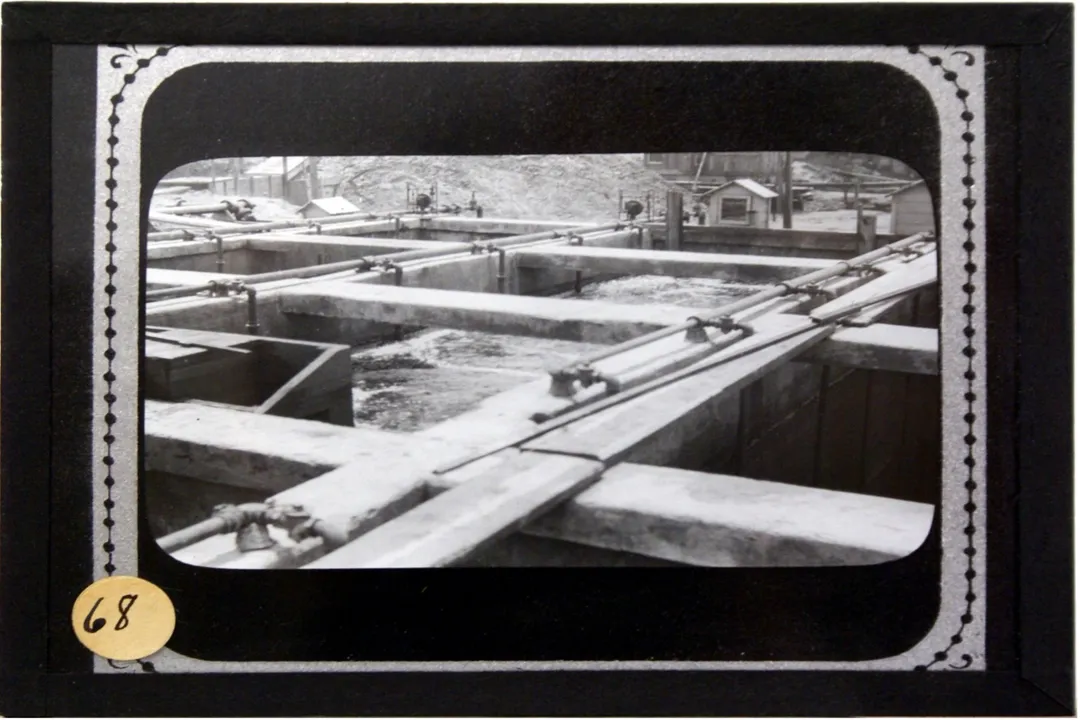
The period between 1890 and 1915 solidified the fundamental workflow for wastewater treatment plants that is still standard today. This sequence begins with preliminary screening to remove large physical objects and debris. This is followed by primary sedimentation, where the water is held in tanks to allow solid particles to settle to the bottom. Finally, the process moves to secondary biological treatment, where microorganisms are utilized to break down and oxidize the remaining dissolved organic pollutants.
#Videos
History of wastewater treatment - from Hippocratic sleeve ... - YouTube
Related Questions
What event in 1858 served as a catalyst for urgent action regarding the sewer infrastructure of London?What was the primary achievement of Joseph Bazalgette regarding the sewer systems of London?What was the main purpose of the Cloaca Maxima in ancient Rome?Why is the facility in Lawrence, Massachusetts, built in 1893, considered a significant milestone in wastewater history?How did the development of germ theory change the objective of sewage management in the late 19th century?What specific treatment technique was pioneered in Exeter, England, during the 1890s?What distinguishes the activated sludge process developed in the early 20th century?What is the function of trickling filters in the biological treatment of wastewater?Which components constitute the essential sequence of modern wastewater treatment established between 1890 and 1915?Who is the single individual credited with the invention of the modern wastewater treatment plant?