What was the primary limitation of the Magic Lantern compared to early cinema projectors?
Answer
It lacked the mechanism necessary to display sequential images rapidly enough for motion illusion
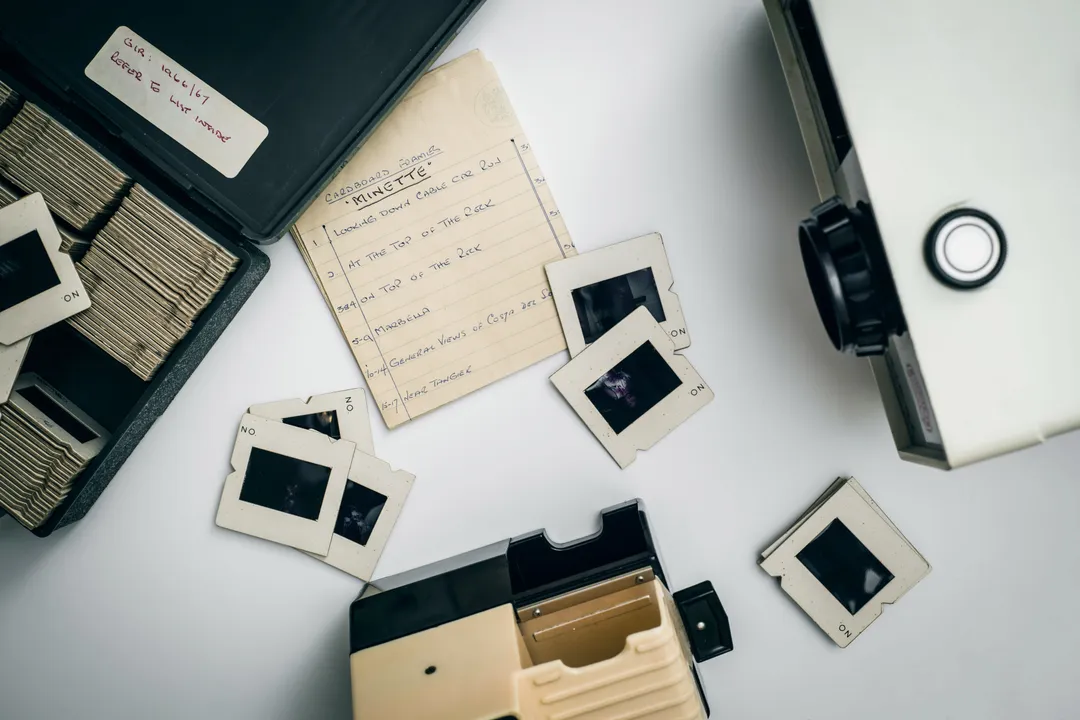
The Magic Lantern was an older optical device capable of projecting still images. It lacked the mechanical ingenuity required to display a sequence of images fast enough to create the illusion of continuous motion.
Related Questions
What was the primary limitation of the Magic Lantern compared to early cinema projectors?On what date did Woodville Latham and his sons conduct their documented public demonstration of a projector showing moving pictures in the US?What key mechanical innovation did Latham’s projector system incorporate to handle film movement smoothly?When did the Vitascope make its first successful public projection debut in the United States?What viewing method defined the earlier Kinetoscope device before the advent of public projection?What technique, essential for both the Vitascope and the Cinématographe, involved stopping the film momentarily during projection?Which factor is cited as the primary reason the Vitascope achieved widespread adoption over earlier demonstrations?If 'first' means the machine that initiated the public cinema business in the US and achieved broad recognition, which projector is the standard answer?What was the common foundation that Edison's Vitascope technology was adapted from?What development was required to transition from the static image projection of the Magic Lantern to true cinema projection?