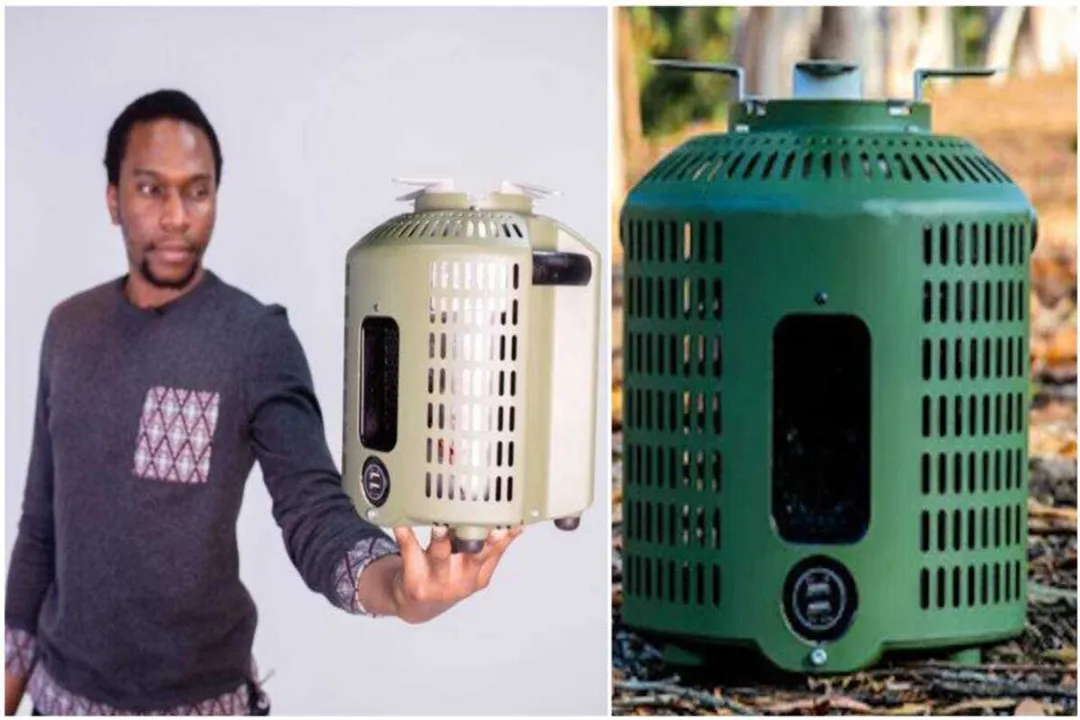
What structural challenge can lead to the rapid failure of a stove designed for dense, damp wood?
Corrosive environment and thermal expansion causing failure in thin-gauge steel
The long-term viability of any smokeless stove, particularly those intended for demanding roles like cooking with dense or damp biomass fuel, is intrinsically linked to material science. When a unit must operate continuously at high temperatures—a necessity for efficient secondary combustion—it experiences significant thermal stress from constant cycling between hot and cool states. If the construction material, such as thin-gauge steel common in less specialized designs, is used, the combination of intense heat, corrosive byproducts inherent in burning damp biomass, and thermal expansion will rapidly degrade the metal structure. A successful, long-term design must therefore employ thicker or specialized alloys to ensure structural integrity against these intense, recurring heating cycles.