Who invented smokeless stoves?
The journey to create a truly smokeless stove involves numerous innovators across different continents and for vastly different purposes, ranging from backyard leisure to crucial domestic cooking solutions. There is no single, simple answer to who invented the smokeless stove, as the concept has evolved through distinct technological approaches applied to varying needs, such as consumer fire pits and essential household appliances.
# Backyard Pits
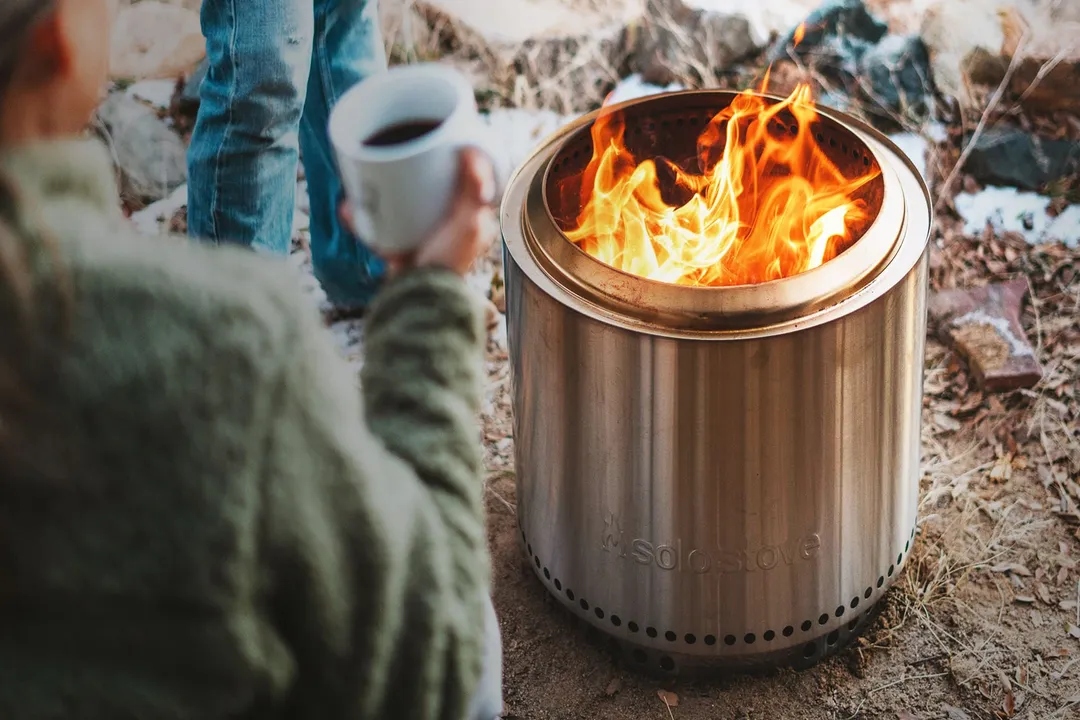
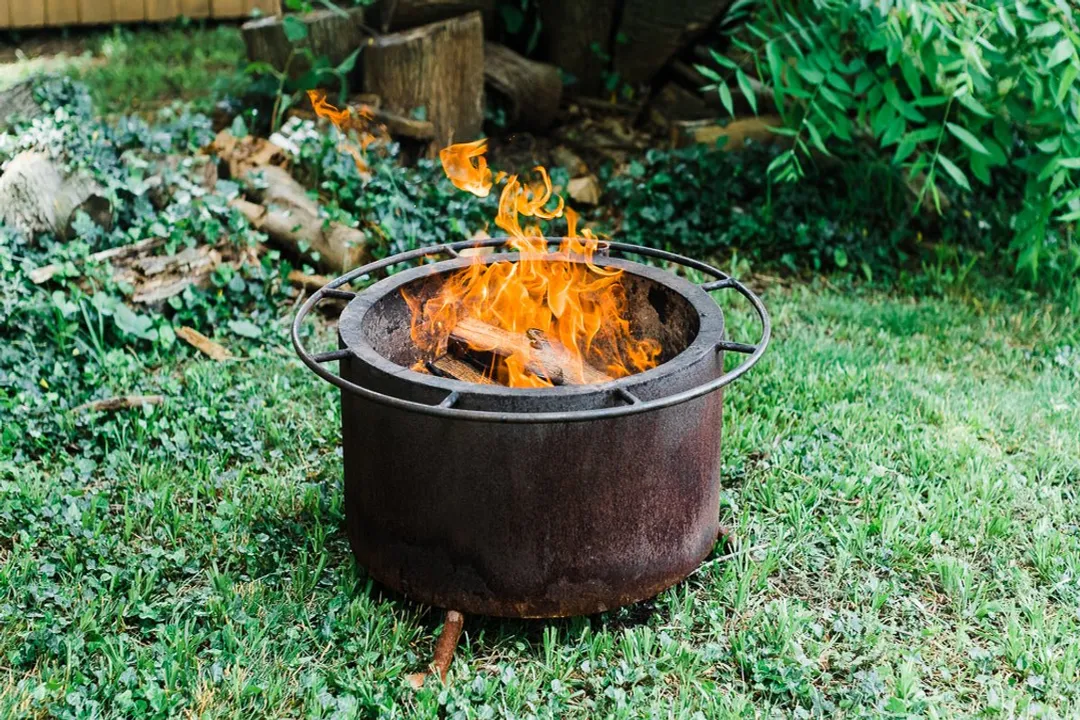
In the United States, the modern trend of highly efficient, low-smoke backyard fire pits has seen significant commercial success, driven by companies refining designs that rely on preheating and secondary combustion. One key player in this space is Breeo, founded by Chuck McGill. Breeo's design centers around a double-wall construction intended to facilitate a cleaner burn by feeding oxygen back into the fire, promoting the burning of smoke before it escapes.
This concept of using airflow management to achieve a cleaner burn has a parallel success story with Solo Stove, which grew into a $400 million backyard fire pit company. Founder Jeff Holst developed a system that utilizes this same double-wall airflow mechanism. The design strategy involves drawing air in, heating it between the inner and outer walls, and then releasing that super-heated air through small holes near the top ring of the fire pit, which ignites the smoke particles rising from the primary fire. This secondary burn process is what significantly reduces the visible smoke output, making the experience far more enjoyable for users gathered around the fire.
# Cooking Solutions
Moving beyond recreational fire pits, the quest for clean-burning stoves for cooking addresses more urgent global health and environmental concerns, particularly in regions reliant on biomass fuels.
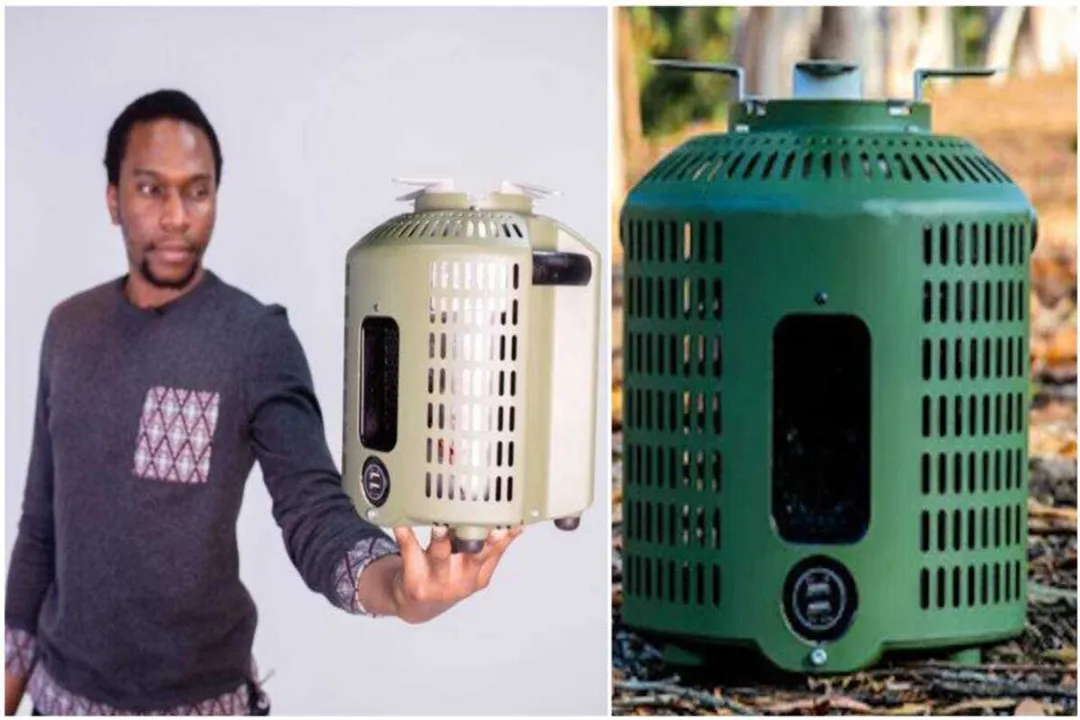
A contemporary inventor gaining recognition is Max Chinnah, a young Nigerian entrepreneur. Chinnah is credited with developing the Genesys smokeless stove. His work positions him as a modern contributor to the long history of designing improved cooking apparatuses in Africa. While the specific details of the Genesys design are proprietary, the objective of such an invention is critical: reducing the harmful smoke exposure that plagues countless households that cook indoors over open fires.
Separately, in India, an inventor named Jayaprakash achieved acclaim for his work on smokeless kilns. Recognized globally around August 2013, Jayaprakash’s innovation focused on improving industrial or larger-scale burning processes, showing that the "smokeless" drive extends across various applications requiring controlled, cleaner combustion.

# Comparing the Mechanisms
The core difference between the South Asian kilns, the Nigerian domestic stove, and the American fire pits lies in scale and immediate user context, yet the underlying principle often remains the same: maximizing complete combustion.
For the backyard consumer products like those from Breeo and Solo Stove, the engineering prioritizes aesthetics and user comfort by managing visible smoke plumes through carefully directed secondary air introduction. The materials, stainless steel often being common in these designs, must withstand the recurring heat cycles associated with this controlled, high-temperature burning.
In contrast, innovations aimed at developing countries, such as Max Chinnah’s Genesys stove, frequently focus on fuel efficiency and health impact first and foremost. These designs often need to operate effectively with locally available, sometimes less-processed, biomass fuel while ensuring that combustion byproducts are minimized for the safety of the immediate household environment. The technological breakthrough here isn't just about seeing less smoke, but about reducing toxic particulate matter inhalation, a deadly issue tied to traditional cooking methods. Considering the vastly different energy access and regulatory environments, it is fascinating to observe that similar aerodynamic principles—managing airflow to inject oxygen where needed—are being applied globally to solve problems as disparate as outdoor ambiance and indoor air quality.
# Global Drive Contrasts
It is worth noting the difference in market drivers between these innovators. For instance, the success stories of Solo Stove, reaching a valuation in the hundreds of millions, illustrate a premium consumer market willing to pay for convenience and reduced nuisance smoke during recreational activities. The market supported investment in refining the double-wall technology for outdoor patio use.
However, the context for inventors like Chinnah in Nigeria is fundamentally different. His work addresses a critical public health challenge where the adoption of a better stove can mean the difference between respiratory health and chronic illness for families. While a $400 million company is a significant business achievement, the societal impact of a widely adopted, affordable, clean-burning cooking stove might be immeasurably greater in terms of human welfare and reducing firewood reliance. This contrast highlights that the "invention" of a smokeless stove is less about a single patent and more about a persistent, localized engineering effort tailored to specific fuel types and energy demands, whether they are for luxury or necessity.
# Material Science Insights
The effectiveness and longevity of any smokeless stove design, regardless of its primary purpose, are deeply tied to the materials used in its construction. In systems relying on high-temperature secondary combustion, like the fire pits described, the constant cycling between hot and cool temperatures puts significant thermal stress on the metal. If a stove meant for cooking with dense, damp wood is constructed with thin-gauge steel, the corrosive environment and thermal expansion can rapidly lead to failure, negating the health benefits if the unit becomes unusable. A successful design, therefore, must balance the need for efficient airflow channels—the smokeless part—with the structural integrity needed for years of continuous, intense heating, which often mandates the use of thicker or more specialized alloys than might be needed for a stove designed only for occasional, short-duration recreational use. This engineering challenge separates a successful long-term product from a temporary novelty.
The discussion around who invented the smokeless stove ultimately points toward a collection of independent, solution-oriented efforts spanning decades and continents, each tackling the challenge of incomplete combustion in a way that best suits their local environment and intended use.
Related Questions
#Citations
Meet Max Chinnah, the 26-year old entrepreneur who has invented ...
Meet Nigerian inventor who designed smokeless stove
The History of Breeo
Max Chinnah, a 26-year old inventor and entrepreneur from Nigeria ...
Max Chinnah: Meet Nigerian inventor who invented smokeless stove
Alaya Kamal on X: "Meet Max Chinnah who invented a ... - Twitter
Smokeless kilns win Jayaprakash accolades from across the globe
How Solo Stove built a $400 million backyard fire pit company - CNBC