Who invented fuel-efficient stoves?
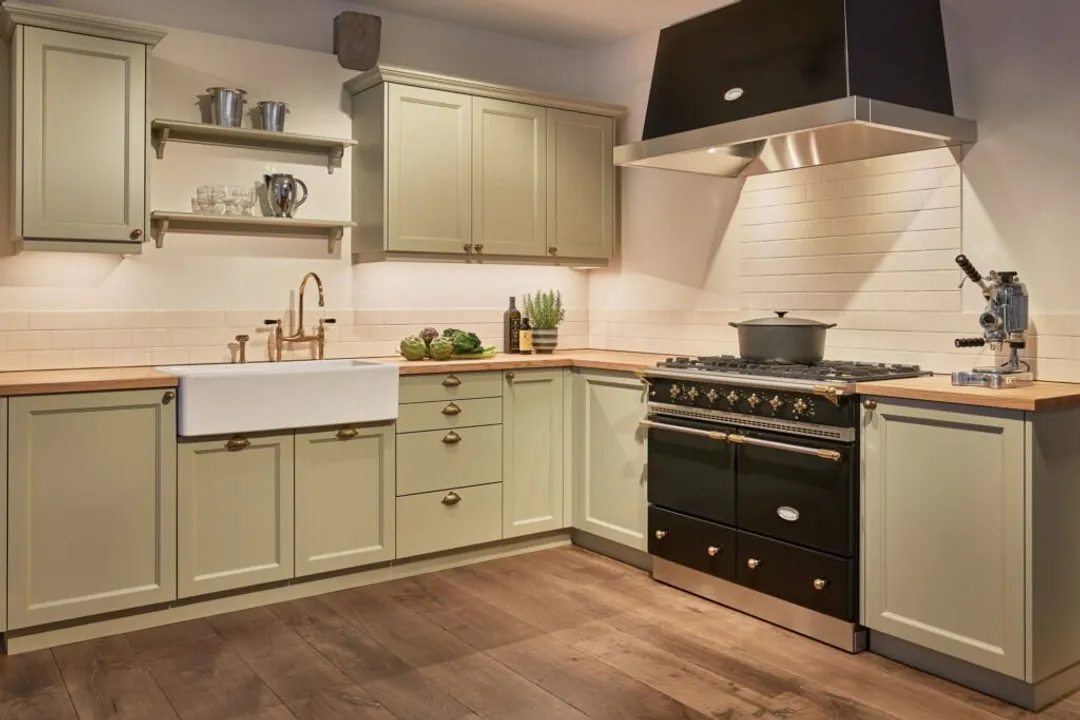
The concept of a single inventor for the "fuel-efficient stove" is misleading because the development was a slow evolution driven by necessity across centuries and continents. What constitutes efficiency has also changed dramatically, moving from simply trapping heat better than an open fire to minimizing specific fuel use per calorie delivered. To trace this lineage, one must look past modern kitchen ranges and return to the 18th century, where one of the earliest attempts to rationalize cooking heat was made.
# Franklin's Stove
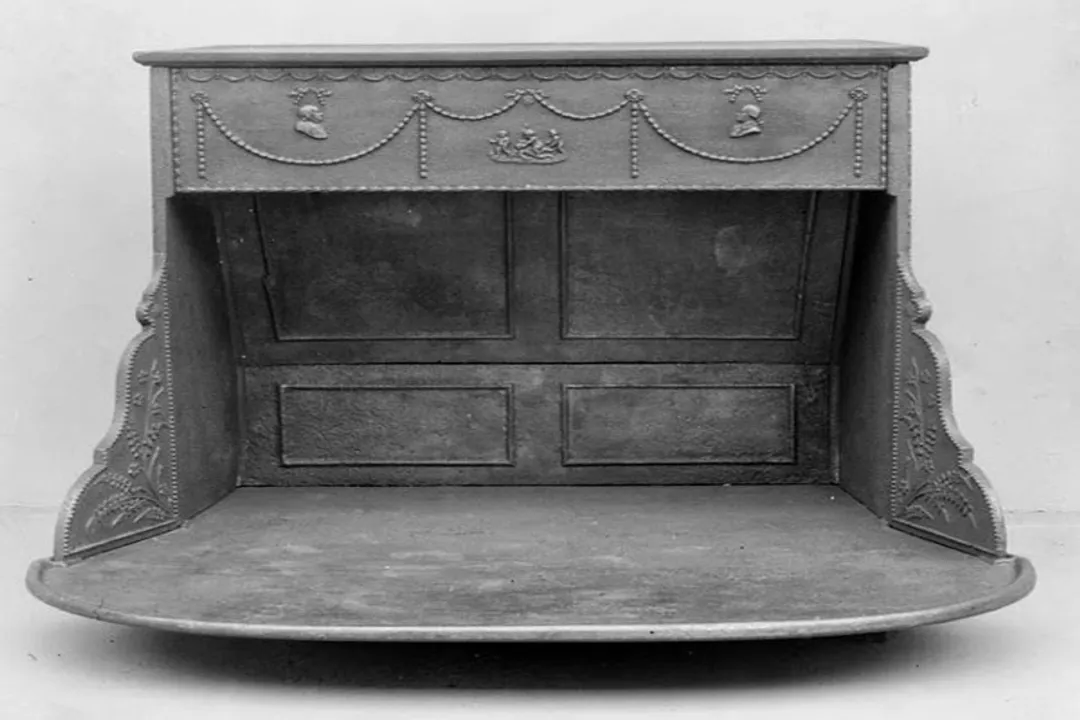
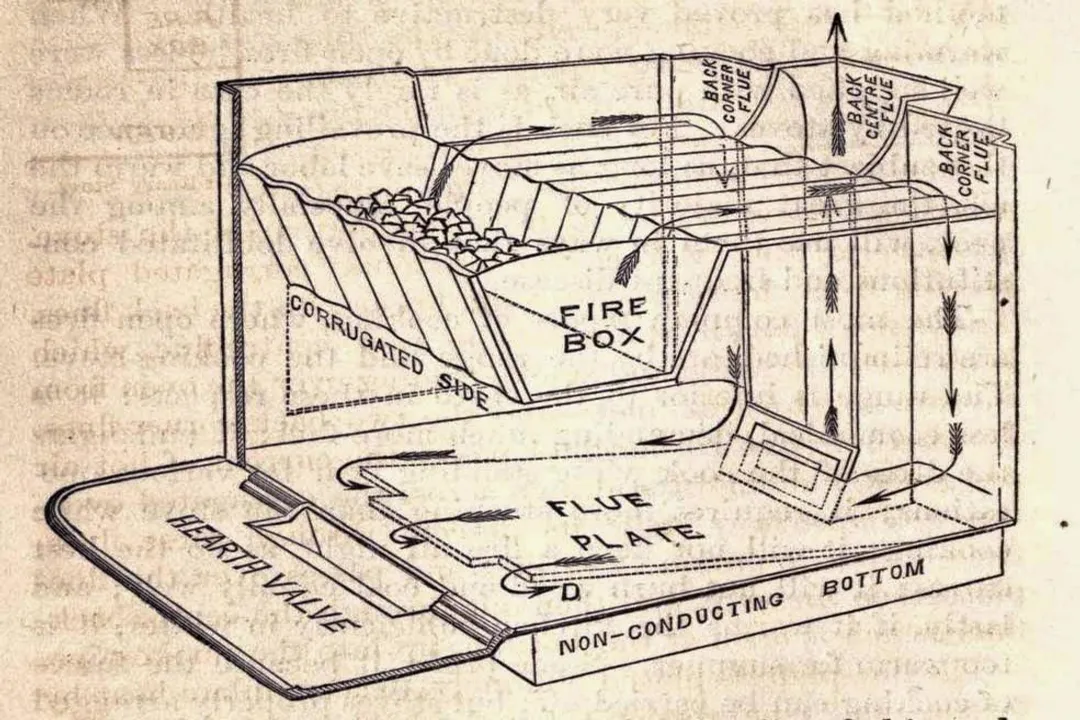
Benjamin Franklin is widely credited with a significant early step toward fuel efficiency in heating and cooking apparatus in the American colonies. [4][10] In the mid-1700s, heating and cooking relied almost entirely on open fireplaces, which were notoriously inefficient; much of the heat went straight up the chimney, and they required constant tending and large amounts of fuel. [4] Franklin's innovation, sometimes referred to as the Pennsylvania Fireplace or Franklin Stove, addressed this wastefulness. [10]
This cast-iron stove was designed to burn wood more completely and radiate heat into the room rather than letting it escape. [4] Key to its function was a series of metal plates and a controlled air intake system that allowed the fire to burn hotter and longer with less wood compared to an open hearth. [10] While primarily designed for heating dwellings, Franklin's design principles—using metal enclosures to retain and direct heat—laid a foundation for later dedicated cooking appliances. [4] It was a shift in thinking: moving from containing a fire to managing its combustion for maximum output.
It is important to note the difference in the goal: Franklin sought to reduce the fuel needed to heat a space, whereas modern fuel efficiency often focuses on the thermal transfer to the food. This early design, however, established the principle that enclosed, vented metalwork could drastically improve thermal performance over traditional methods. [4]
# Cast Iron Cooking
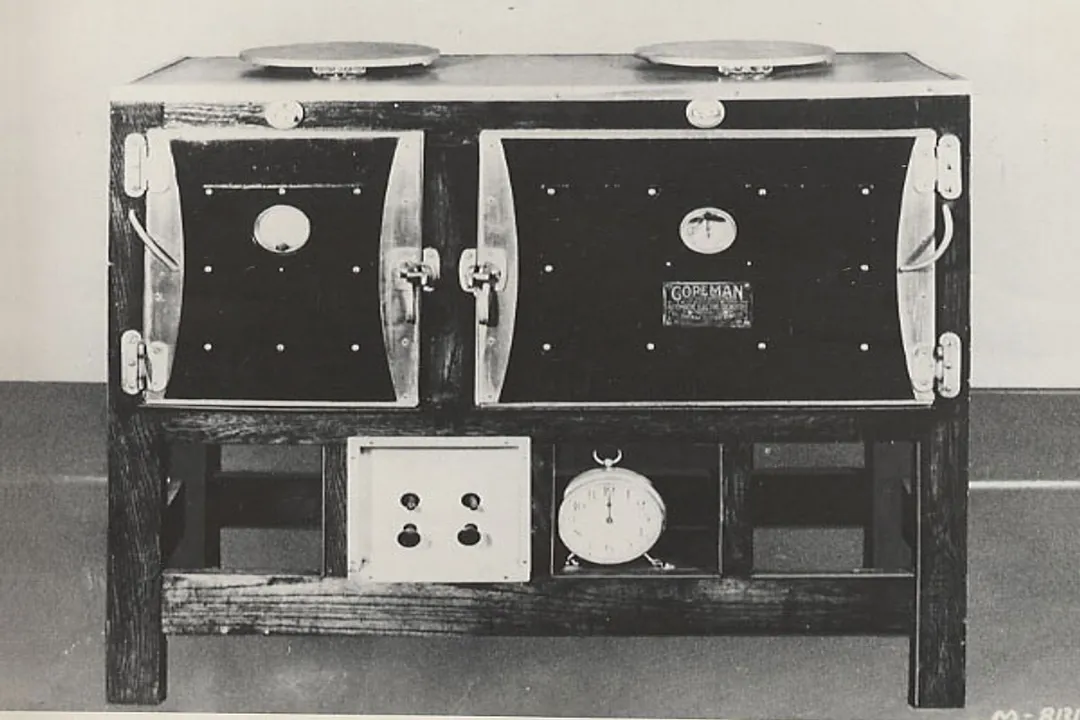
The real birth of the dedicated cooking stove, which separated cooking from primary room heating, happened over the following decades, culminating in the cast-iron cookstove. One name frequently associated with this development is Philo Penfield Stewart. [6] Stewart is credited with inventing the cast-iron cooking stove in 1825, a device that began to look more like the ranges we might recognize from the late 19th century. [6]
Stewart's invention was important because it integrated multiple heating surfaces and enclosed ovens into a single cast-iron unit. [6] This allowed for far more precise temperature control than a fireplace, enabling baking and simmering simultaneously, which was a massive leap in kitchen technology. [3][7] The cast iron itself served as a heat reservoir, storing thermal energy and releasing it steadily, further contributing to the reduction of constant fuel addition. [7]
These early cast-iron ranges, though heavy and expensive at the time, represented a major step toward efficiency by optimizing the delivery of heat directly to cooking vessels, rather than relying on pots placed near a large, open flame. [3] The technology rapidly evolved in the mid-1800s, leading to standardized designs that incorporated multiple burners (or "eyes") and oven compartments. [5][7]
# Standardizing Heat Delivery
As the Industrial Revolution progressed, the focus shifted to convenience and refinement, moving from wood-burning to coal, and eventually to gas and electricity. [5] The modern gas stove, which became common in the late 19th and early 20th centuries, is a different type of efficiency champion. [1]
Gas stoves offer instantaneous control. The burner can be turned on to a specific setting and immediately adjusted up or down, providing extremely tight regulation over the energy applied to the cooking vessel. [1] While the thermal efficiency of a gas burner might not always surpass a perfectly tuned modern biomass stove, the efficiency in use—no need to start a fire, no residual ash, and precise metering of fuel—made it a highly desired consumer appliance. [5]
The invention of the gas stove wasn't attributable to one person but rather a collection of developments in gas production and burner design, leading to widespread adoption by the early 1900s. [1] These appliances typically feature an aerated flame design, mixing air and gas before combustion to ensure a clean, hot burn that minimizes uncombusted fuel loss. [1]
| Stove Type | Primary Fuel | Key Efficiency Metric | Inventor Focus (Era) |
|---|---|---|---|
| Open Hearth | Wood | Heat radiated into the room | N/A (Baseline) |
| Franklin Stove | Wood | Retained heat vs. chimney loss | Benjamin Franklin (18th C.) |
| Cast Iron Cookstove | Wood/Coal | Contained, steady heat for multiple tasks | Philo P. Stewart (Early 19th C.) |
| Modern Gas Range | Natural Gas | Instantaneous control; metering | Collective engineering (Late 19th/20th C.) |
| Improved Cookstoves (ICS) | Biomass (Wood/Charcoal) | Fuel used per meal cooked | Modern NGOs/Engineers (21st C.) |
# The Modern Efficiency Movement
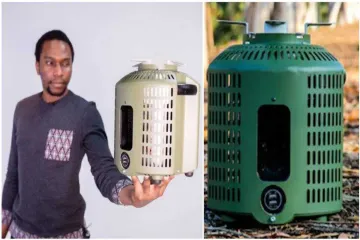
When contemporary discussions turn to "fuel-efficient stoves," especially in contexts concerning global health, deforestation, and indoor air quality, the focus shifts away from domestic gas ranges toward Improved Cookstoves (ICS) designed for solid fuels like wood or charcoal. [8] This area has seen intensive modern invention, driven by organizations focused on sustainable development.
The primary inventors here are less singular figures and more the collective efforts of engineers, researchers, and public health specialists working on designs like the rocket stove. [8] The goal for these modern stoves is radically different: to drastically reduce the amount of biomass fuel needed to cook a staple meal compared to traditional three-stone fires, while simultaneously reducing harmful smoke emissions indoors. [8]
Dean Still, speaking on the evolution of these devices, highlights that efficiency in this domain is measured by the relationship between the energy supplied by the fuel and the heat actually transferred to the cooking pot. [8] A traditional three-stone fire can have thermal efficiencies as low as 5 to 10 percent, meaning 90 to 95 percent of the wood's energy is wasted heating the surrounding air or escaping unburned. [8] Advanced, well-engineered biomass stoves, in contrast, can achieve efficiencies between 20 and 40 percent. [8]
The key engineering principle making these modern devices so efficient is combustion control, very similar in concept to Franklin's idea but applied to solid fuel in a much more sophisticated way. These modern designs typically employ:
- Insulated Burn Chambers: Keeping the fire extremely hot to ensure nearly complete combustion of the fuel.
- Controlled Airflow: Providing just the right amount of primary and secondary air to sustain a hot, clean flame. [8]
- Heat Exchange: Designing the stove body to channel hot gases directly around the bottom and sides of the pot before they exit the chimney. [8]
Thinking about this from a practical standpoint, an ICS designed to reduce fuel use by 50% doesn't just save money or wood; it drastically cuts the time a person, often a woman or child, must spend gathering that fuel. This indirect benefit—saving labor time—is often a greater driver for adoption than the simple fuel cost reduction alone. [8]
The challenge is ensuring that these sophisticated, efficient designs are appropriate for the local context. A stove that performs perfectly in a controlled lab setting using standardized fuel may fail if the local population relies on damp, poor-quality wood or needs to cook using a specific large cooking vessel. [8] Therefore, the inventor of the truly successful fuel-efficient stove in this context is often the local implementer who adapts the core engineering principles to local materials and cooking practices.
Considering the diverse nature of the "inventor," it is helpful to map the type of efficiency sought. The progress wasn't linear; it was cyclical, with different needs driving different inventions. Franklin was solving a heat-loss problem in a cold room; Stewart was solving a task-management problem in the kitchen; and modern engineers are solving a resource and health problem in developing economies. The technology applied at the Carbel company, for instance, in developing modern cooking ranges, builds upon these principles of refined metallurgy and thermal management that began with Franklin's cast iron box. [5]
If you are looking to improve efficiency in a household setting today where natural gas is available, the focus remains on ensuring your existing appliance is maintained correctly. For example, ensuring the oven door seals are intact prevents wasted heat leakage during baking cycles. This is a subtle form of efficiency maintenance, comparable to ensuring the flue damper on an old Franklin stove was properly set. [4] When dealing with wood or charcoal, however, the efficiency gains are orders of magnitude larger, moving from single-digit percentages to over 30 percent, a change that fundamentally alters daily life by reducing fuel demand significantly. [8]
#Videos
The Drivers of Stove Innovation in the 1700s Webinar - YouTube
Related Questions
#Citations
Gas stove - Wikipedia
The Evolution of the Stove - TriMech Design
A Brief History of the Kitchen: how heat and food bring people together
The Evolution of the Franklin Stove: From Invention to Modern ...
History and Evolution of the Stove - Carbel
Philo Penfield Stewart, Inventor of the Ideal Cook Stove
The history of the cooker: a brief historical overview - the house shop
[PDF] The Evolution of Cooking Stoves
The Drivers of Stove Innovation in the 1700s Webinar - YouTube
Ben Franklin's inventions: the Franklin stove - USHistory.org