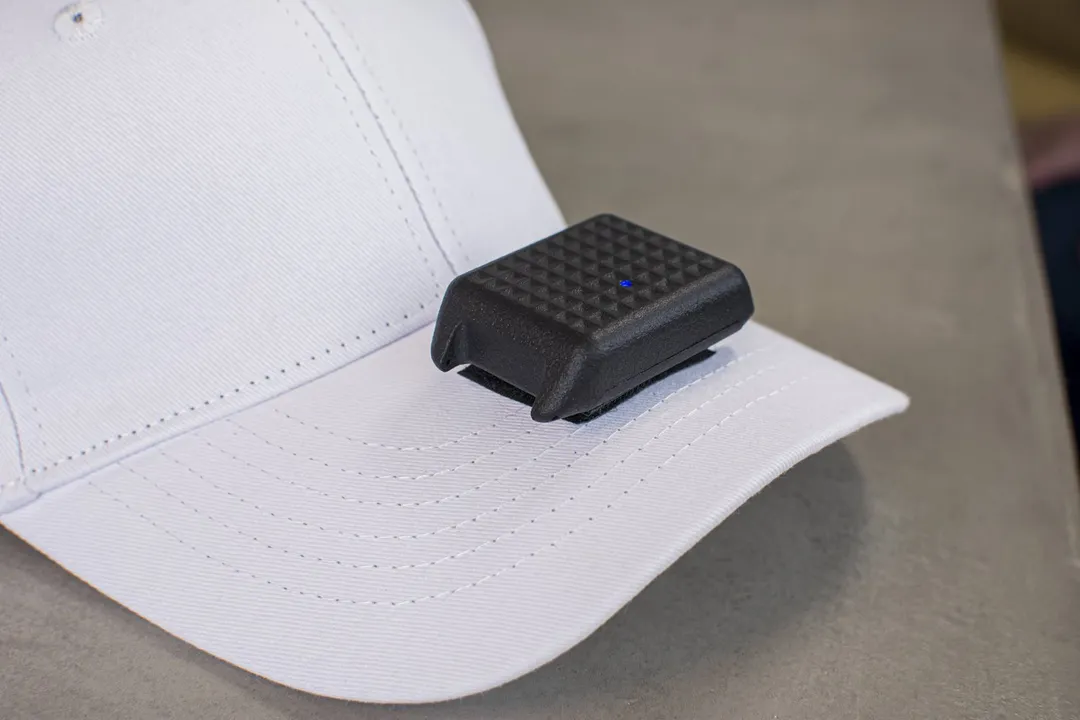
What necessity forced manufacturers of consumer fitness trackers to incorporate ergonomic principles?
The goal of achieving widespread adoption by making devices comfortable enough for 24/7 wear.
While early fitness trackers were technological achievements in counting steps and monitoring activity, they faced a significant hurdle for widespread market success: user compliance over long periods. For these devices to transition from niche gadgets to mainstream technology worn constantly, they absolutely had to meet basic standards of physical comfort. This necessity forced manufacturers to actively apply established ergonomic principles related to material science—using materials like hypoallergenic bands or moisture-wicking fabrics—and interface design, ensuring the device was unobtrusive and easy to use, even if the initial motivation was technological achievement rather than pure ergonomic research.