What key shift occurred in anaerobic digestion goals after World War II and specifically during the 1970s?
Answer
From waste disposal to resource recovery
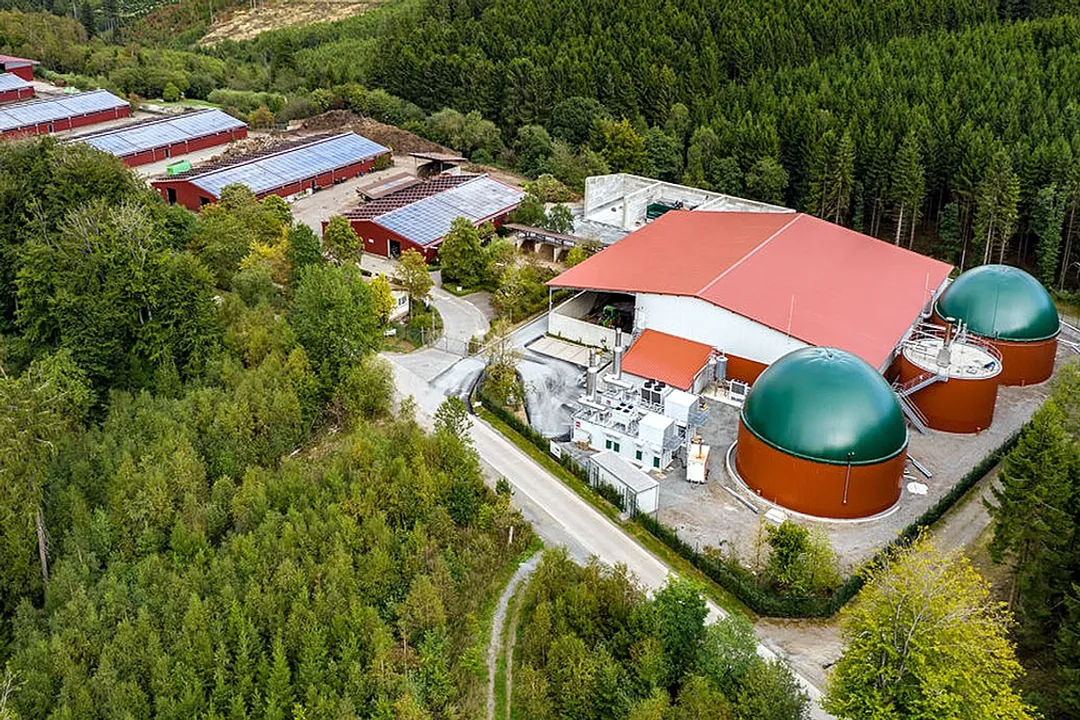
In the decades following World War II, and accelerating during the energy crises of the 1970s, the primary objective of anaerobic digestion underwent a transformation. Initially, the technology was viewed solely as a method for waste volume reduction and odor control. As global energy demands increased, the potential of the captured biogas as a fuel source became a central focus. This shift turned the digester from a necessary waste management cost into an asset, functioning as an on-site power plant that could utilize combined heat and power units to sustain operations and produce energy.
Related Questions
Who identified the production of firedamp from decaying organic matter in marshes in 1776?In which city did the 1904 landmark achievement in pioneering large-scale continuous sludge digestion take place?What was the significance of the 1912 Stockyards Plant located in Baltimore, Maryland?How did the earliest anaerobic sludge reactors in Birmingham and Baltimore typically operate?What temperature range, typically around 95 degrees Fahrenheit, was adopted in the 1920s to accelerate sludge digestion?What is the primary engineering advantage provided by the implementation of two-stage digestion?What key shift occurred in anaerobic digestion goals after World War II and specifically during the 1970s?What fundamental biological process involves the creation of methane gas by microbes in the absence of oxygen?Which modern refinement involves separating hydrolysis from acidification and methanogenesis?What was the main driver for the initial invention of anaerobic sludge digestion systems?