Who invented anaerobic sludge digestion?
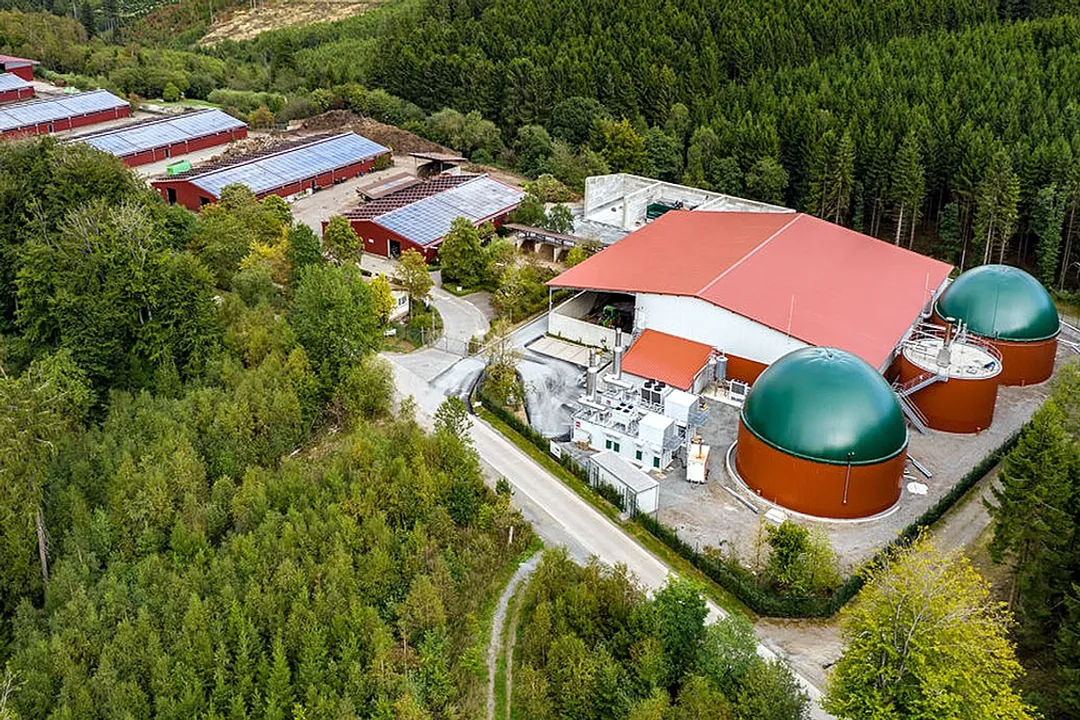
The story of who first invented anaerobic sludge digestion is less about a single "Eureka!" moment and more a chronicle of incremental engineering breakthroughs built upon fundamental microbiological understanding. It’s a journey that spans centuries, moving from simple observations of natural decomposition to the sophisticated, energy-producing reactors we rely on today for wastewater treatment. [1][7] While the natural process of fermentation has been observed since ancient times, controlling it specifically for managing sewage sludge marks the true beginning of this technology. [2] The realization that anaerobic conditions could reduce the volume of settled solids, mitigate odors, and stabilize organic matter was the necessary precursor to its formal invention as a wastewater treatment unit. [1][3]
# Early Findings
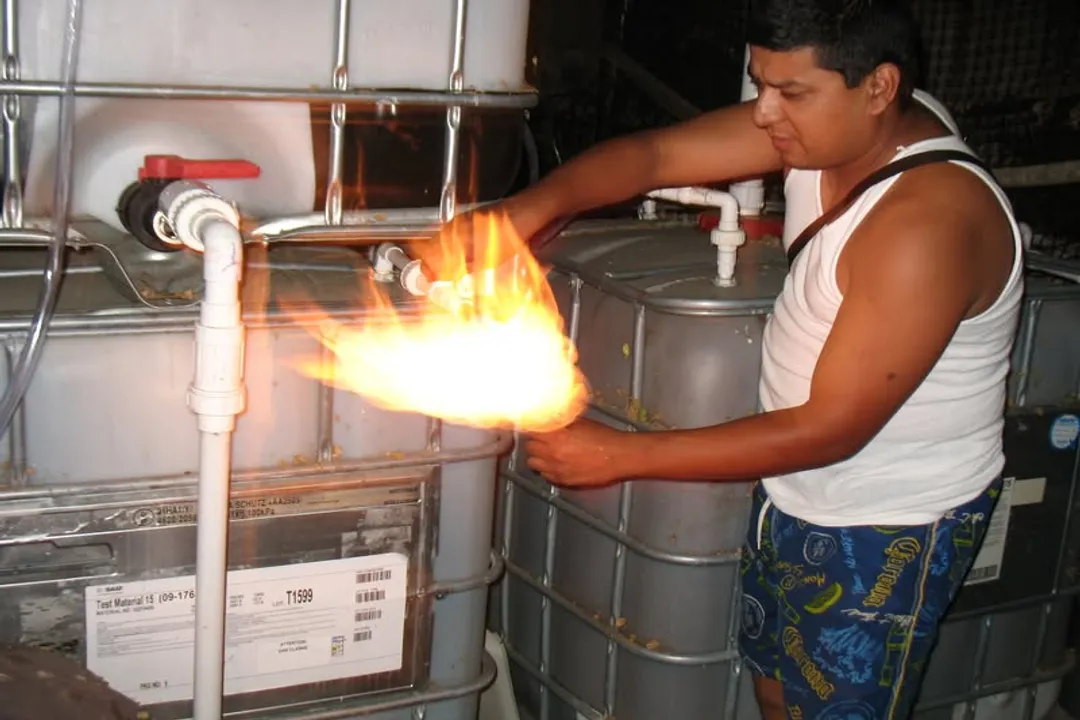
The foundational science underpinning anaerobic digestion—the creation of methane gas by microbes in the absence of oxygen—was recognized long before engineered systems were deployed. [2] Scientists in the 18th and 19th centuries began documenting the production of flammable gas from decaying organic matter. [1][7] For instance, Volta noted the production of "firedamp" gas from decomposing matter in marshes as early as 1776. [1] This established the raw material: biogas, rich in methane, was a natural product of anaerobic breakdown. [2]
However, the application of this knowledge to sewage sludge required linking the concept of controlled decomposition with existing sanitary engineering needs. [4] Before dedicated digesters, primary sludge from settling tanks was often dewatered on open beds or simply returned to rivers, leading to significant environmental and public health issues due to putrefaction and odor. [1] The initial driver for invention was containment and reduction, not energy recovery. [5] Early attempts at controlled digestion often involved crude containment vessels or simple basins designed to separate the gas and stabilize the remaining solids. [4]
# Initial Reactors
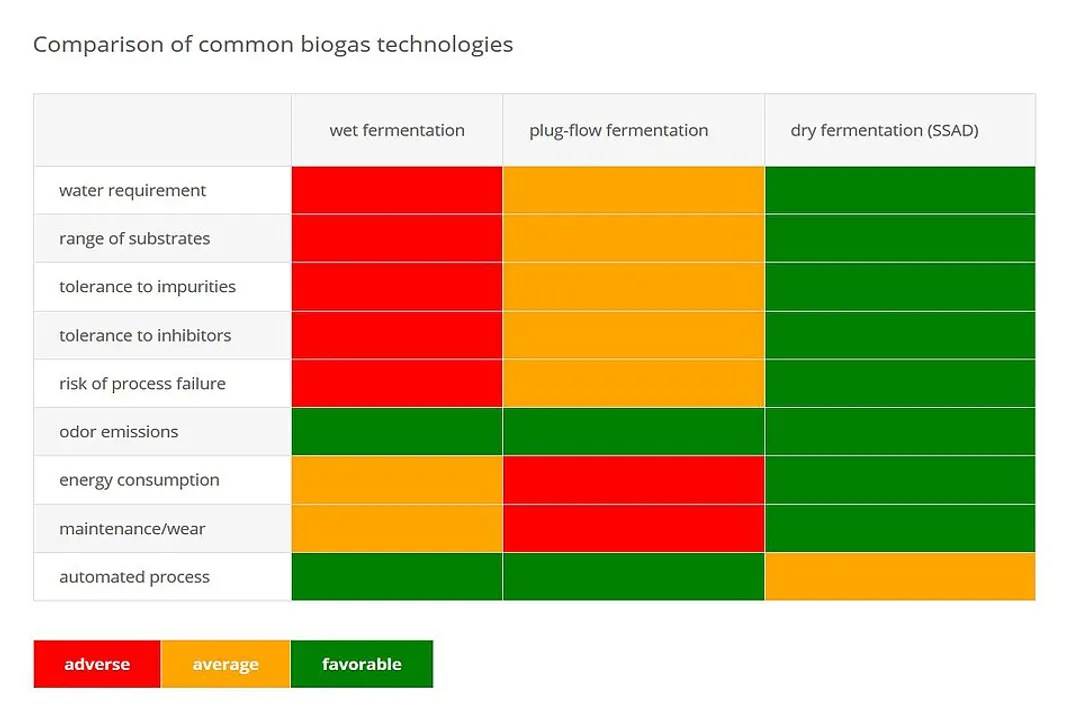
The transition from recognizing the phenomenon to constructing the first practical sewage sludge digestion systems generally points toward the early 1900s. [1][3] Key early milestones were established in municipal settings where the scale of the sludge problem demanded a solution. One of the most frequently cited historical benchmarks involves the development of true, controlled anaerobic digestion specifically for sewage sludge in the United States and the United Kingdom. [7]
The landmark achievement often credited with pioneering large-scale, continuous sludge digestion occurred in Birmingham, England, in 1904. [1][3] While initial gas collection efforts were rudimentary, this facility demonstrated the viability of systematically managing the sludge stream using these principles. [1] Contemporaneously, advancements were being made elsewhere, often in parallel, as engineers grappled with similar issues. [7] In the US, the concept was gaining traction. For example, at the Stockyards Plant in Baltimore, Maryland, in 1912, the first continuously operated covered sludge digestion tank in the United States was established, marking a critical step toward standardized practice. [4][7] This facility, and others like it, moved beyond simply collecting gas in open pits to using enclosed tanks that allowed for better control over the process, even if that control was initially limited. [4]
It is important to distinguish between the discovery of methanogenesis and the invention of the engineered reactor for sludge treatment. The microbiologists discovered the mechanism; the engineers invented the controlled vessel. The earliest reactors, whether in Birmingham or Baltimore, were often simple, unheated, and operated in a batch mode. [1][7] Sludge would be added until the tank was full, allowed to digest for several months, and then the remaining material would be removed—a slow, inefficient process by modern standards, but revolutionary at the time. [4]
# Process Refinement
The true maturity of anaerobic digestion as an invention required overcoming the limitations of those first unheated, batch systems. The realization that temperature drastically affected the rate and stability of digestion led to the next major innovation: heated digestion. [1][3]
The move to heated systems, typically into the mesophilic range (around or ), was a significant engineering leap made around the 1920s and 1930s. [7] Heating the sludge dramatically reduced digestion time from months to weeks and improved the quality of the stabilized sludge. [3] This shift meant that existing plants could process far more sludge in the same physical footprint, a necessity as urban populations grew and wastewater flows increased. [1]
Furthermore, engineers recognized the need to separate the gas-producing digestion phase from the settling/storage phase. This conceptual split led to the development of two-stage digestion. [1][5] The first stage, the digester proper, was kept warm and actively mixed to maximize volatile solids reduction and gas production. The second stage served as a holding or thickening tank for the digested sludge before dewatering. [5][9] This two-stage design, which became common by the mid-20th century, optimized the core biological reaction while improving the physical separation of the products. [1]
| Era | Dominant Technology | Key Improvement Over Previous | Primary Goal |
|---|---|---|---|
| Pre-1900s | Open Sludge Beds | None (Disposal only) | Odor management (partially) |
| 1904–1920s | Unheated, Batch Digesters | Enclosed vessel, gas capture | Volume reduction, stabilization |
| 1920s–1950s | Heated, Single-Stage | Temperature control | Accelerated stabilization, volume reduction |
| Post-1950s | Two-Stage Digestion | Separation of functions | Optimized methane yield, efficient dewatering |
If you look at early plant schematics from the 1930s, you see a clear focus on maximizing the retention time under controlled, warm conditions. This focus on process control, rather than just containment, solidifies the "invention" of sludge digestion as a deliberate, engineered process in the early 20th century. [7]
# Purpose Shift
One fascinating way to view the history of anaerobic digestion is to observe the changing primary objective over time, which subtly dictates who the "inventor" was at any given stage. Initially, the inventors were sanitary engineers focused almost entirely on waste disposal. [5] Their primary success metric was decreasing the physical volume of the sludge that needed final disposal and eliminating putrid odors—a significant public health win in crowded urban centers. [1]
As the technology matured, particularly after World War II, the energy potential of the captured biogas became impossible to ignore. [3] In the 1970s, with global energy crises highlighting the need for domestic fuel sources, the primary goal shifted toward resource recovery. [3][7] The digester was no longer just a necessary evil for waste management; it became an on-site power plant. This shift spurred entirely new innovations, like optimizing gas capture purity, increasing temperature stability (sometimes moving to thermophilic ranges, though mesophilic remains the standard), and exploring co-digestion using external feedstocks. [2][5] This change in mindset means that the "inventor" of modern, energy-positive AD could be seen as the engineer who successfully integrated a CHP (Combined Heat and Power) unit to run the digester heaters and power the plant itself, turning a liability into an asset. [3]

# Modern Practice
Today’s systems, which often involve complex technologies like membrane bioreactors or multi-stage continuous reactors, trace their lineage directly back to those crude tanks in Birmingham and Baltimore. [9] While modern facilities operate under a principle of maximizing biogas yield and nutrient recovery, the core biochemical conversions remain the same as those first stabilized batches. [2]
The ongoing evolution shows that invention is continuous. For instance, multi-stage digestion, such as that separating hydrolysis from acidification and methanogenesis, is a newer refinement designed to overcome kinetic limitations often encountered when treating complex, high-strength wastes that go beyond simple primary sewage sludge. [9] This contrasts sharply with the original concept, which treated all those phases as one inseparable, slow biological soup within a single vessel. [4]
In summary, there isn't a single patent holder for "anaerobic sludge digestion." The credit must be shared across several key developments: the recognition of anaerobic action (18th/19th centuries), the first controlled municipal application (Birmingham, 1904), the first continuously operated US system (Baltimore, 1912), and the engineering of thermal control (1920s). [1][4][7] The true invention lies in the successful transition from natural phenomenon to a reliable, engineered, and scaled treatment process dictated by the sanitary demands of the industrial age. [3]
Related Questions
#Citations
A Short History of Anaerobic Digestion - Penn State Extension
Anaerobic digestion - Wikipedia
A brief history of Anaerobic Digestion - QUBE Renewables Ltd
Anaerobic Digestion - ISB Global
What is the history of anaerobic digestion? - Facebook
00 a review of the evolution and development of anaerobic digestion ...
[PDF] History and state-of-the art of anaerobic digestion
[PDF] Biosolids Technology Fact Sheet, Multi-Stage Anaerobic Digestion