Unlike ELIZA's neutral role, what condition did the PARRY program simulate?
Answer
Paranoid schizophrenia
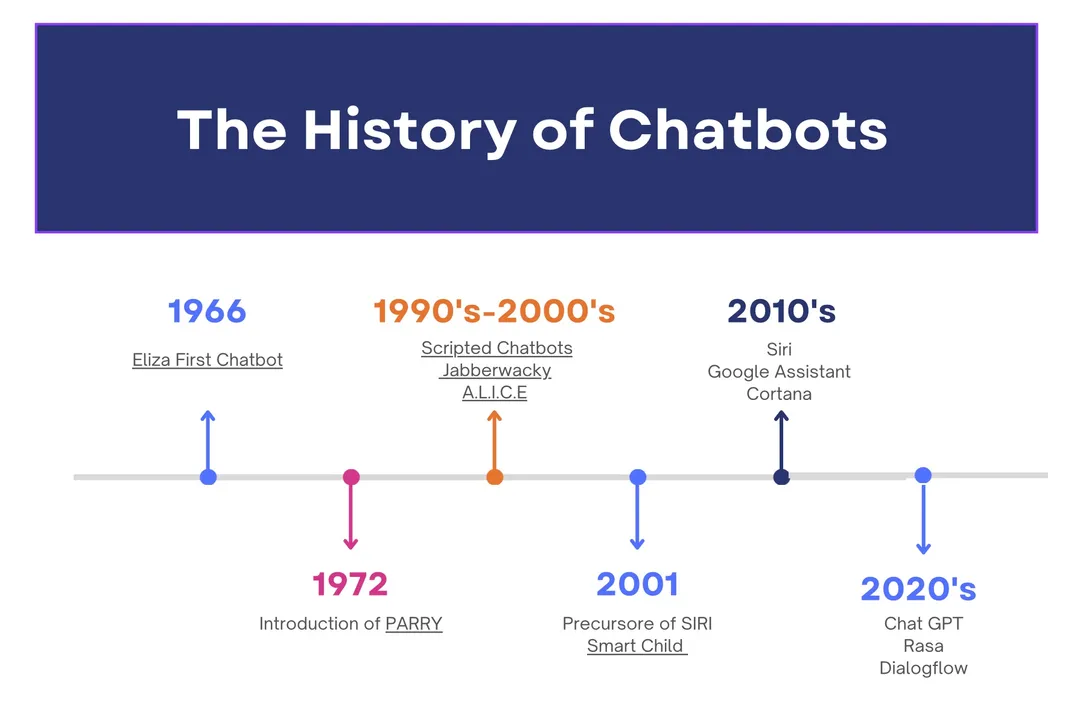
PARRY was specifically designed by Kenneth Colby to model the conversational patterns associated with paranoid schizophrenia. This simulation required a more complex architectural foundation than ELIZA because PARRY needed to maintain a consistent internal state and set of beliefs to accurately reflect the simulated paranoia, contrasting sharply with ELIZA's reliance on simple, non-directive reflection.
Related Questions
Who developed the conversational program ELIZA at the Massachusetts Institute of Technology?In what year was the program ELIZA created at the Massachusetts Institute of Technology?What specific therapeutic conversational style did ELIZA mimic to generate responses?What core technique did ELIZA primarily use for developing its conversational scripts?What was Joseph Weizenbaum's stated initial purpose for developing ELIZA?What unsettling result did Weizenbaum observe regarding users' interaction with ELIZA?Which program, developed by Kenneth Colby at Stanford, acted as a counterpoint to ELIZA?Unlike ELIZA's neutral role, what condition did the PARRY program simulate?Which phrases were typical generic fallbacks when ELIZA could not match a user input pattern?What did Joseph Weizenbaum later become a cautionary voice against concerning AI?