Who invented AI symptom checkers?

The concept of using technology to assess health complaints has evolved from simple decision trees into sophisticated applications powered by artificial intelligence, fundamentally changing how people initially interact with potential medical issues. While pinpointing a single moment or individual who invented the AI symptom checker is complex—as development often occurs across academic research and private enterprise—the history points toward a progression of systems aimed at guiding self-triage and clinical decision-making. [2][4] These tools aim to act as initial health concierges, processing user-reported symptoms against vast medical knowledge bases to suggest possible conditions or next steps. [4][10]
# Early Systems
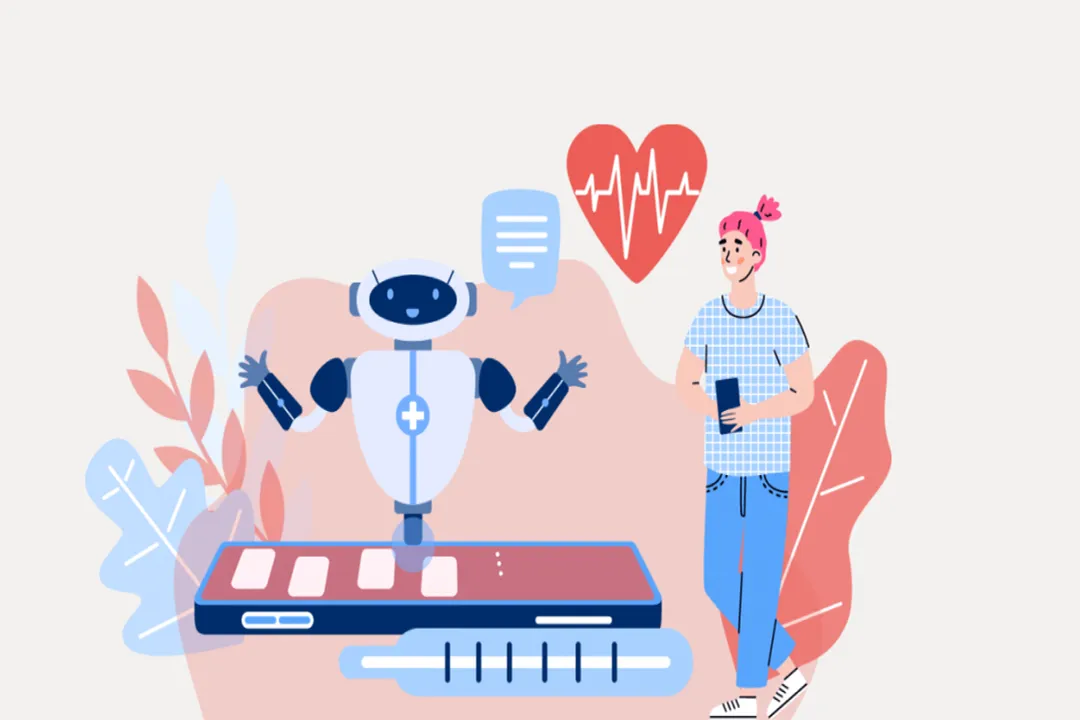
The ambition to digitize medical knowledge for patient use predates the current wave of generative AI, but modern symptom checkers represent a significant leap in capability. [3] Early iterations often relied on more rigid logic; however, contemporary systems integrate machine learning to improve accuracy and nuance based on accumulated data. [2] The race among startups to develop the "perfect health concierge" signifies a competitive drive to master this initial diagnostic step. [4] These companies are fundamentally working on pattern recognition, mapping patient input to known disease profiles.
# Validation Landmark
A key moment in legitimizing these digital assistants came with the introduction of systems that achieved formal scientific validation. For instance, one of the earliest scientifically validated symptom checkers utilizing artificial intelligence in the United States was launched by Isabel Healthcare. [8] Isabel's platform allows patients to input symptoms, and the resulting list of possible conditions—or differential diagnosis—is designed to aid both patients and clinicians. [7] This validation step is crucial because it moves the technology beyond a simple informational website toward a tool that carries a degree of proven reliability, a distinction important for both patient trust and clinical integration. [3]
# Technology Basis
The engine behind these contemporary digital diagnosticians is generally sophisticated algorithms processing natural language input. [10] A user enters their symptoms—perhaps "severe headache," "nausea," and "sensitivity to light"—and the AI analyzes this data. [10] It compares this specific constellation of complaints against established clinical knowledge and large datasets of patient records to generate probabilities for various conditions. [2][10] The output is often a ranked list of potential causes, prompting the user on whether self-care, a GP visit, or emergency attention is warranted. [10] This process mimics, in a digital sense, the initial history-taking a doctor performs, albeit without the benefit of physical examination findings. [3]
One particularly interesting development involves using these tools not just for consumers but as aids for licensed medical staff. For example, there is exploration into how an AI symptom checker could be implemented to assist emergency doctors specifically in prioritizing patients, potentially flagging high-risk cases more rapidly than standard triage protocols might allow. [5] If a patient reports a subtle combination of symptoms that an overworked triage nurse might initially miss, a standardized AI pre-screening could ensure that critical but less dramatic presentations, such as early signs of sepsis or stroke, receive immediate attention. [5]
# Competitive Landscape
The current market features many players vying for dominance in this digital front line of healthcare. [4] Companies often distinguish themselves based on their intended user base—whether they target direct-to-consumer self-assessment or integration into hospital electronic health records. [4] The goal for many is creating an experience so intuitive and accurate that it becomes the standard first step before any human medical interaction, saving time and resources while improving access to preliminary guidance. [4]
A practical way to view the different objectives of these tools is by their intended output reliability. A consumer-focused tool prioritizes broad coverage and safety warnings (e.g., "Go to the ER now"), whereas a clinical support tool prioritizes differential diagnosis accuracy for trained professionals. [6] This difference in purpose means the underlying training data and acceptable error margins vary significantly between products like Babylon Health's consumer interface and a research system designed for physician assistance. [1][5]
# Risks and Responsibility
The introduction of powerful diagnostic aids is not without significant scrutiny regarding safety and efficacy. [1][3] A primary concern revolves around algorithmic failure or the inherent limitations of text-based input. If a user fails to articulate their symptoms clearly, or if the AI misinterprets a subtle but critical piece of information, the resulting advice could be dangerously delayed or incorrect. [1][3]
For instance, when platforms like Babylon Health faced scrutiny, issues arose around the reliability and safety of their triage advice, suggesting that a reliance on AI without adequate human oversight or comprehensive data modeling can lead to concerning outcomes. [1] This underscores a key analytical point: the inventor of the algorithm is distinct from the entity responsible for the clinical governance of the deployed product. The technology itself is powerful, but its safe application requires rigorous testing and clear guidelines on when its suggestions must be overridden by professional judgment. [3]
If we consider the user experience, a common failure scenario, which developers must constantly address, is diagnostic overshadowing. This occurs when a highly probable, but ultimately benign, diagnosis suggested early on causes the system to filter out or minimize other, less common, but more dangerous symptoms the user might subsequently mention. [6] For example, if a user starts by reporting simple indigestion, the system might focus heavily on GI causes, potentially overlooking chest pain symptoms mentioned later because they fall outside the established initial diagnostic pathway. Building an AI that remains flexible and open to revising its primary hypothesis based on subsequent input is a monumental, ongoing engineering task that separates today's systems from their simpler predecessors. [2]
# Future Trajectories
The evolution clearly suggests a movement toward greater integration, rather than replacement, of human providers. [5] One potential path forward, which requires significant development in data standardization and ethical governance, involves creating systems that can learn from the outcome of the referral they suggested. If the AI directs a patient to the ER, and the ER confirms a specific diagnosis, that outcome can theoretically feed back into the model, refining its future accuracy for similar cases. [2][3]
Considering the current state, a practical consideration for any user approaching an AI symptom checker is to approach the output not as a final diagnosis, but as a structured suggestion list. If the tool offers three possibilities—say, Condition A (common cold), Condition B (seasonal flu), and Condition C (rare but serious)—and recommends seeing a doctor, the user should focus on whether any of the suggestions prompt necessary action. For instance, if Condition C is serious, even a 5% probability warrants a medical consultation rather than self-treatment based on the high probability of Condition A. This tiered approach respects the technology's probabilistic nature while prioritizing patient safety. [6] The actual "invention" of a perfect, universally trusted AI diagnostician remains an ongoing collective effort, built piece by piece upon foundational algorithms and validated case studies like those offered by Isabel, while learning from the shortcomings observed in systems deployed rapidly, like early versions of Babylon Health. [1][4][8]
Related Questions
#Citations
How using a medical startup's AI “symptom checker” could go very ...
The Emergence of Artificial-Intelligence-Driven Symptom Diagnostic ...
Medical Expert Knowledge Meets AI to Enhance Symptom Checker ...
Symptom checkers will see you now. Startups race to create a ...
AI Symptom-Checker Could Help Emergency Doctors Prioritize ...
Can We Trust AI Symptom Checkers? by Fasobu Adekemi - SSRN
Symptom Checker | Isabel - the symptom checker doctors use
First Scientifically Validated Symptom Checker with Artificial ...
AI symptom checking is reducing unnecessary health visits
How Does an AI Symptom Checker Work? | Blog - Fabric