How does the intended utility of modern bots differ from ELIZA?
Answer
Delivery of specific interventions like CBT
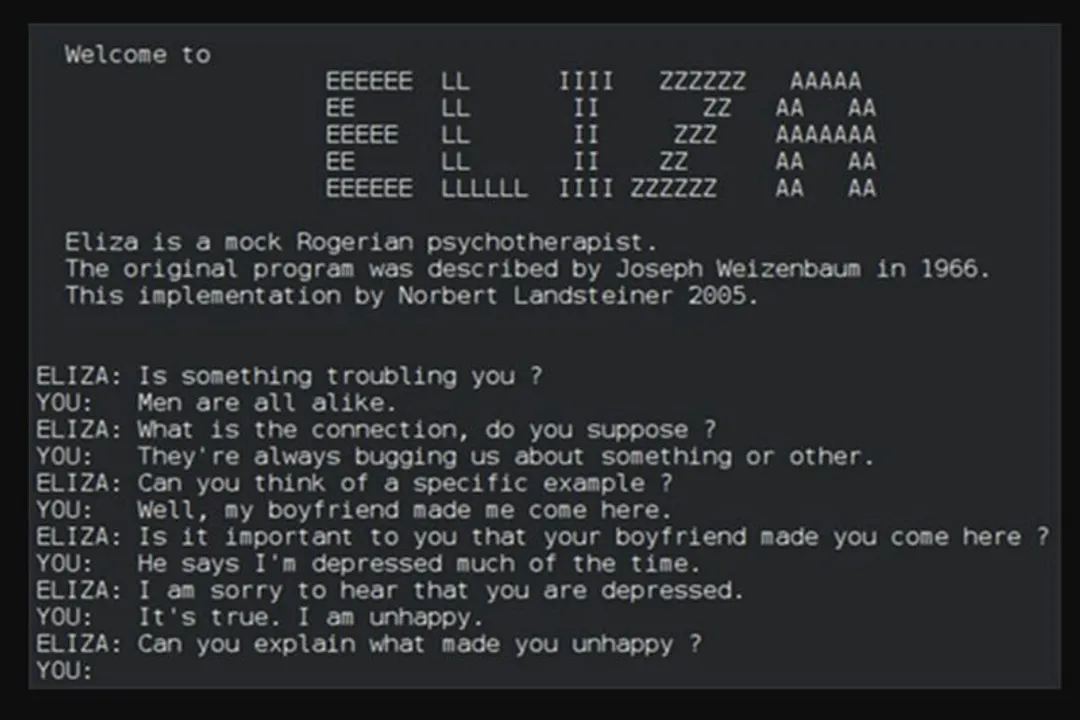
The primary distinction in intended utility is that contemporary mental health bots are designed to deliver measurable, evidence-based support, unlike ELIZA which was meant only as a demonstration of superficial conversation. Modern systems aim to deliver specific therapeutic principles, such as those found in Cognitive Behavioral Therapy (CBT) or mindfulness exercises. ELIZA’s function was strictly mimicking dialogue through keyword rearrangement, whereas modern bots focus on achieving tangible therapeutic outcomes.
Related Questions
Who created the ELIZA program at the MIT Artificial Intelligence Laboratory?What mechanism characterized ELIZA's ability to simulate conversation?What is the term for the human tendency to attribute empathy to ELIZA?Which therapeutic style did the ELIZA program famously mimic in its responses?What key AI component enables modern mental health chatbots' contextual awareness?How does the intended utility of modern bots differ from ELIZA?Experts caution that AI chatbots should not be viewed as direct replacements for whom?Which demographic area has seen a notable focus for contemporary chatbot deployment?What actionable tip is suggested for clinicians integrating a bot's daily log data?What future role might AI serve regarding human practitioners' expertise building?