Who invented gut health testing?

Tracing the origins of gut health testing is less about pinpointing a single inventor and more about charting a fascinating evolution in microbiology, risk-taking medical heroes, and modern bioinformatics. We have moved far past simply examining stool samples under a crude microscope; today’s landscape is filled with tests promising deep insights into the trillions of microorganisms residing in the digestive tract. While commercial kits are readily available now, the foundational understanding that allowed for these sophisticated analyses stemmed from crucial discoveries made decades earlier.
# Microbial Heroes
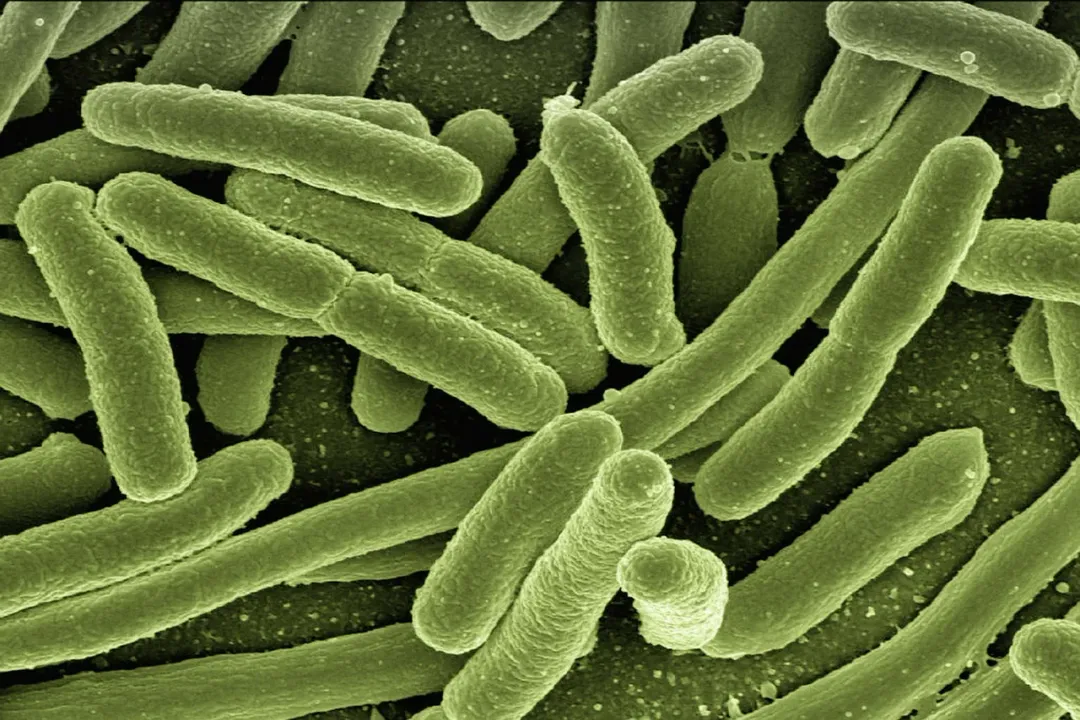
The medical community’s acceptance of the gut’s role in disease was radically transformed by the work of Dr. Barry Marshall, whose dedication to proving his hypothesis remains legendary in medicine. Marshall, an Australian physician, hypothesized that a bacterium, Helicobacter pylori, was responsible for causing peptic ulcers, a condition long attributed to stress or diet. In a move that demonstrated extreme conviction in his findings, Marshall famously ingested a broth containing the bacteria himself, subsequently developing gastritis—a confirmation that the microbe was indeed the culprit. This act paved the way for widespread testing for H. pylori to diagnose and treat ulcers, representing one of the earliest, most definitive examples of a specific gut microbe being linked to a specific, testable human ailment. Marshall’s work fundamentally shifted the focus toward the necessity of identifying and measuring gut inhabitants, thus building the necessary precursor knowledge for broader gut health testing.
# Beyond Bacteria
While Marshall focused on bacteria, the complexity of the gut ecosystem soon demanded a wider scope of investigation. Fast-forwarding to more recent foundational work, we encounter Dr. Ibrahim Ghannoum, a scientist whose contributions helped formalize the study of the fungal community within the gut. Dr. Ghannoum is credited with coining the term mycobiome to describe the fungal population inhabiting the human body, including the gastrointestinal tract. Recognizing that yeasts and molds were often overlooked in standard microbial panels, his research, which identified significant fungal dysbiosis in conditions like Crohn’s disease, underscored the necessity of testing for more than just bacteria. This expansion of focus—from bacteria to the entire microbial world, including archaea, viruses, and fungi—is critical because modern gut testing seeks to catalogue this entire community. The work done by researchers like Ghannoum and the tools developed later reflect an understanding that gut health is dictated by the balance across all these domains, not just the presence or absence of one pathogen.
It is an interesting historical divergence: while Marshall’s discovery led to diagnostic testing for a single, known pathogen (H. pylori), Ghannoum’s work pushed research toward profiling the entire community composition, which is the basis for many modern wellness tests.

# Mapping the Biome
The transition from identifying single culprits to creating comprehensive gut profiles required significant technological leaps, particularly in sequencing and data processing. Early efforts to measure the health of the entire microbiome, rather than just looking for specific threats, began to crystalize in research settings. For instance, researchers at the Mayo Clinic developed a tool designed specifically to measure the health of an individual's gut microbiome by quantifying the abundance of bacteria known to be beneficial or harmful. This tool aimed to assign a numerical score reflecting the overall state of the microbial community.
This development highlights a key shift: invention in this context isn't a single kit, but the creation of analytical methods that can process the massive datasets generated by next-generation sequencing. The initial sequencing methods, such as the 16S rRNA gene sequencing, provided snapshots of who was present, but newer, culture-independent techniques allowed scientists to capture a more complete picture of microbial function and diversity, which is what these modern testing tools attempt to translate into actionable health data.
If we consider the typical output of a sequencing-based test, a consumer might receive a table showing the percentage of Firmicutes versus Bacteroidetes, or perhaps a count of specific genera like Bifidobacterium or Lactobacillus. A practical application of interpreting this data—something not explicitly stated in the sources but necessary for consumers—is cross-referencing relative abundance with established literature. For example, if a test shows a very low abundance of key butyrate-producers (like certain Faecalibacterium species), a reader might check if that aligns with known deficiencies that impact colonocyte energy, giving the test result a functional context beyond just a number.
# Commercialization Wave
Today, the market is flooded with companies offering consumer microbiome testing kits, promising personalized dietary or probiotic recommendations based on their analysis. These startups operate in the space enabled by the foundational science described above, often using high-throughput sequencing to analyze samples provided by the consumer.
However, the rapid commercialization often outpaces scientific consensus on interpretation. A summary of expert discussions reveals a critical point: what gut microbiome tests do is tell you who is there, but what they don't tell you is precisely what that composition means for your individual health outcomes. There is a recognized need for the science behind these tests to be solid, as consumer expectations regarding definitive health answers can sometimes exceed what current technology can reliably deliver.
When comparing the approaches, there's a tension between targeted diagnostics and broad profiling. Marshall’s work led to a targeted test with a clear clinical endpoint (ulcer treatment). In contrast, many contemporary tests offer a diversity score or a dysbiosis index derived from complex algorithms. While the Harvard Gut Check points out that we are rapidly accumulating knowledge about how the microbiome influences health, translating complex community dynamics into simple, prescriptive advice remains challenging.

# Interpreting the Readings
Understanding the limitations is key to getting value from these tests. Experts suggest that these tests are best viewed as a baseline snapshot of community composition, not a definitive verdict on current or future health. The community in your gut is dynamic, shifting based on stress, recent meals, medications, and environment.
Consider the variability inherent in the process. If a person eats a high-fiber meal the day before submitting their sample, the microbial output in that stool sample might temporarily skew toward species that thrive on that specific substrate, offering a slightly different view than if they had been fasting or eating a typical Western diet.
Here is an actionable step for anyone receiving a complex gut report: focus first on actionable gaps rather than rare microbes. If the report highlights an unusually low presence of bacteria known to produce short-chain fatty acids (SCFAs) like butyrate, this is a more immediate area for dietary modification (e.g., increasing resistant starch and fermentable fiber) than trying to boost a species that only shows up at 0.01% abundance. This prioritizes evidence-based dietary changes over speculative supplementation based on esoteric findings.
# Establishing Benchmarks
The future of gut testing hinges on better establishing what constitutes a "normal" or "healthy" microbiome. Research, such as that conducted at Northwestern's Feinberg School of Medicine, aims to map the microbial makeup of healthy individuals to create better comparative standards. This process of creating objective benchmarks, much like setting standards for cholesterol or blood pressure, is what will eventually lend greater authority and clinical utility to consumer tests.
Furthermore, the field is moving toward integrating microbial data with host data. Scientists are working to understand the functional interplay—how the genes expressed by the microbes interact with the host’s own genetics and metabolic state.
To extract the most long-term value from a baseline gut test, think of it as a reference photo taken today. An original insight here is to retest after making a substantial, measured dietary intervention for at least three to six months. If the test only shows you what you have, the second test, taken after a targeted dietary change (like a full elimination diet followed by systematic reintroduction), shows you how responsive your system is. This responsiveness metric is arguably more valuable than the initial static report itself, measuring your microbiome’s plasticity.
The story of "who invented gut health testing" is therefore not a singular narrative but a collective achievement built upon the courage of individuals like Marshall to challenge existing dogma, the expansion of scientific scope by researchers like Ghannoum, and the continuous development of high-throughput, analytical technologies that turn biological chaos into measurable data.
#Videos
Understanding Gut Microbiome Science with Jeffrey Gordon, MD
Related Questions
#Citations
The origins of gut microbiome research in Europe: From Escherich ...
Understanding Gut Microbiome Science with Jeffrey Gordon, MD
The Revolution of Consumer Microbiome Testing - BIOHM Health
Barry Marshall - Wikipedia
The Doctor who Infected Himself to Solve a Medical Mystery - Guts UK
Gut Check | Harvard Medical School
Understanding Gut Microbiome Science with Jeffrey Gordon, MD
Mayo researchers develop tool that measures health of a person's ...
PODCAST: What Gut Microbiome Tests Do (& Don't) Tell You
Microbiome startups promise to improve your gut health, but is the ...