Who created the box camera?
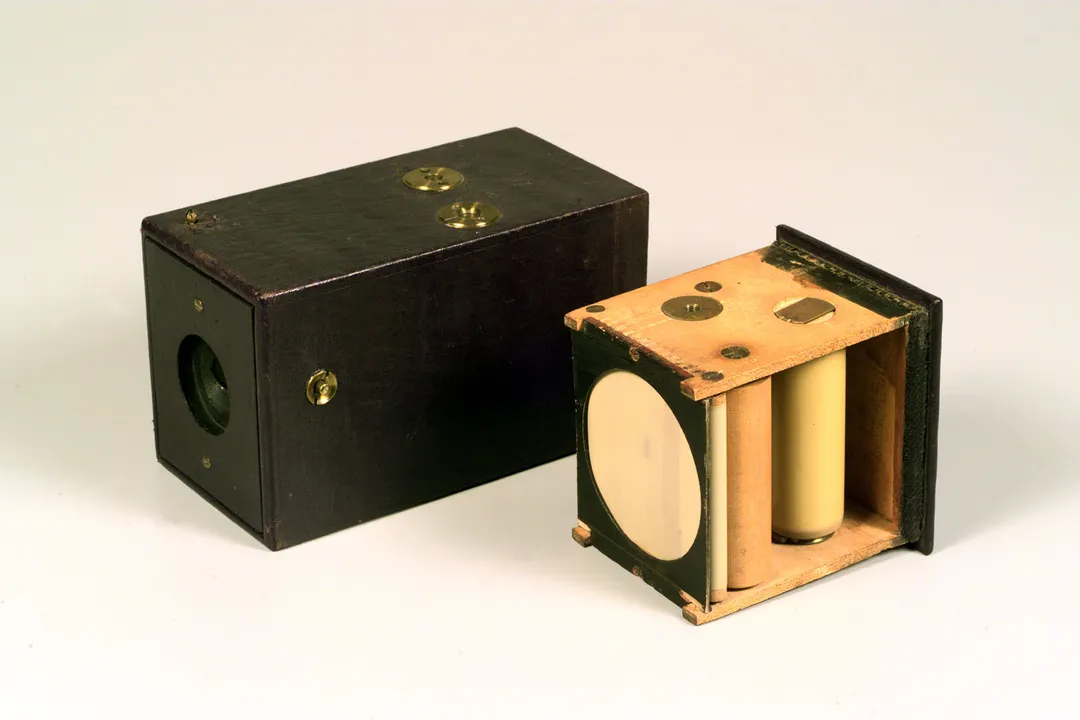
The creation of the box camera, as we understand it today—a simple, accessible device that brought photography out of the darkroom and into the hands of the average person—is inextricably linked with the name George Eastman. While the fundamental concept of a light-tight box with a lens existed long before his breakthrough, Eastman’s genius lay in integrating that box with a scalable technology: roll film and a revolutionary business model. The resulting device wasn't just a camera; it was a promise of effortless image-making.
# Early Designs
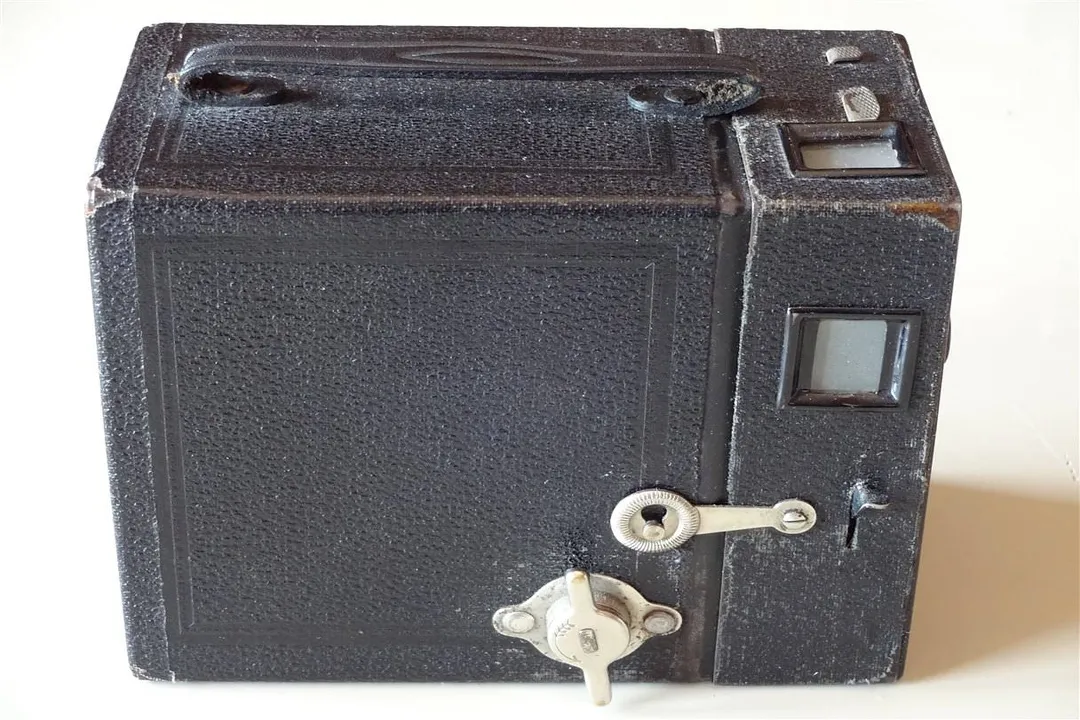
The idea of a simplified camera was not entirely new when Eastman turned his attention to the problem. History shows evidence of rudimentary box-like photographic devices predating the famous Kodak brand. For instance, there is documentation pointing to a primitive wooden box camera patented in 1861 by an inventor whose name has been lost to the general historical account. This early iteration featured a simple wooden construction, a lens, and a focusing screen made of ground glass. It was, essentially, a portable camera obscura adapted for chemical photography, still requiring significant technical skill to operate and process the resulting images.
These earlier attempts, though important in the technological timeline, remained largely in the realm of the dedicated amateur or professional. They were specialized tools, not consumer goods. The barrier to entry—in terms of cost, knowledge, and the messy chemical processes involved—was extremely high, effectively limiting photography to those with dedicated time and expertise.
# The Roll Film
Eastman’s critical contribution arrived when he moved away from individual glass plates toward a flexible medium. He secured a patent for the world’s first roll film camera on September 4, 1888. This patent represented the technological lynchpin that allowed the simple wooden box structure to become a viable mass-market product. The invention replaced cumbersome glass plates with a long strip of flexible film housed inside the camera body.
The actual implementation of this concept materialized in the original Kodak No. 1 camera, introduced later that same year. The camera itself was built around a simple wooden box design, typically featuring a lens assembly and a simple shutter mechanism. One example of these early models, dating from around 1888 to 1890, showcases this straightforward construction: a plain wooden body designed for function over finesse.

# Simple Operation
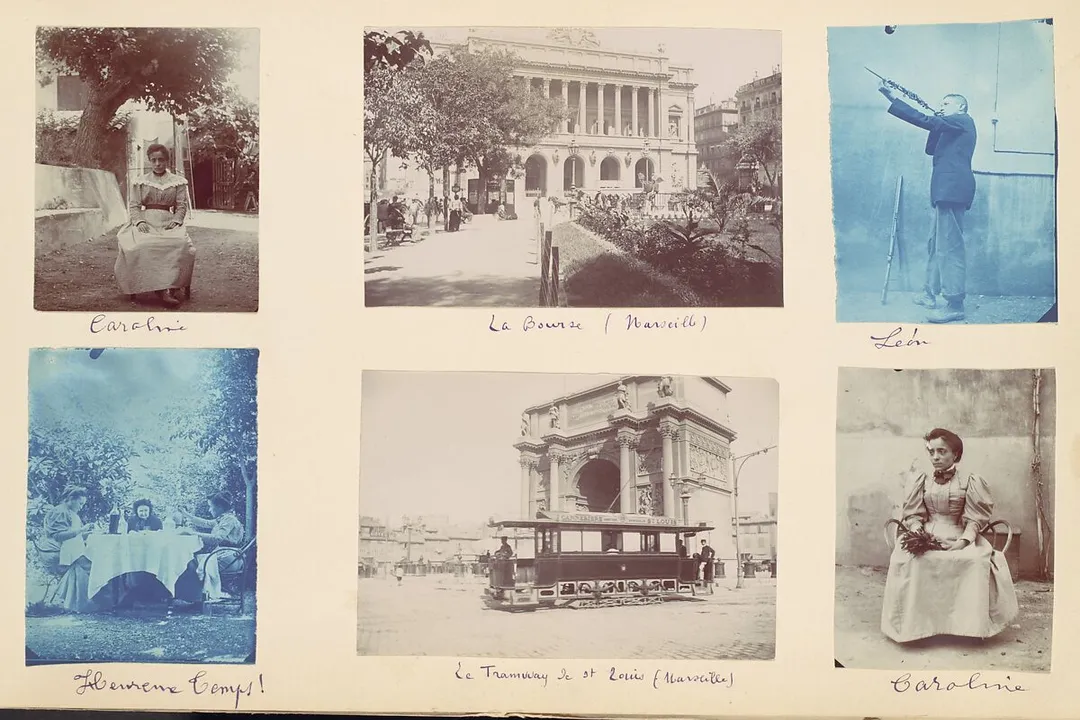
What truly defined the Eastman box camera, making it revolutionary, was not just the roll film, but the philosophy that accompanied it. Eastman’s marketing tagline captured the essence of this new approach: “You push the button, we do the rest”. This slogan wasn't just clever advertising; it described the entire user experience.
When the customer purchased a Kodak No. 1 for its initial price of $25, they received a camera pre-loaded with enough film for 100 exposures. Once the 100th photograph was taken, the user did not attempt to unload or develop the film themselves. Instead, they mailed the entire camera back to Eastman’s factory in Rochester, New York. The company would then process the film, print the resulting images, reload the camera with fresh film, and return everything to the customer.
This method introduced a new consumer expectation into the market. The user wasn't merely buying a piece of durable equipment; they were essentially buying into a service contract for image creation. The camera body itself was disposable in the sense that its primary value, once exposed, was returned to the manufacturer to unlock the next round of images. This closed-loop system removed the chemical knowledge requirement entirely, transferring that expertise to Eastman’s centralized operation.
# Affordable Camera
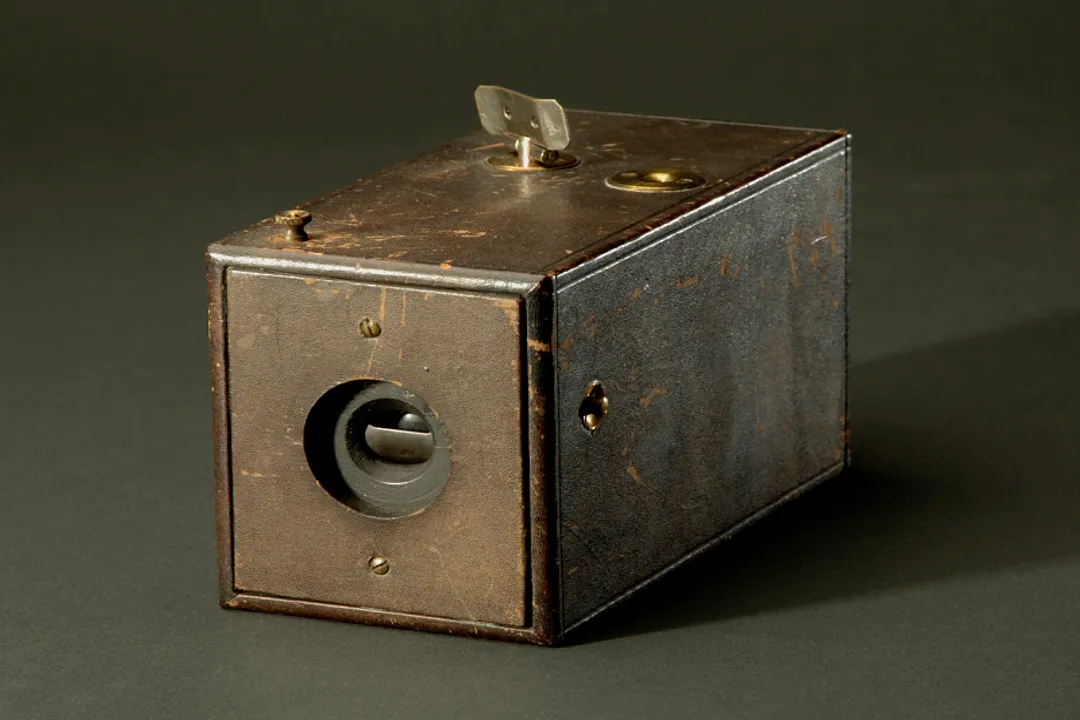
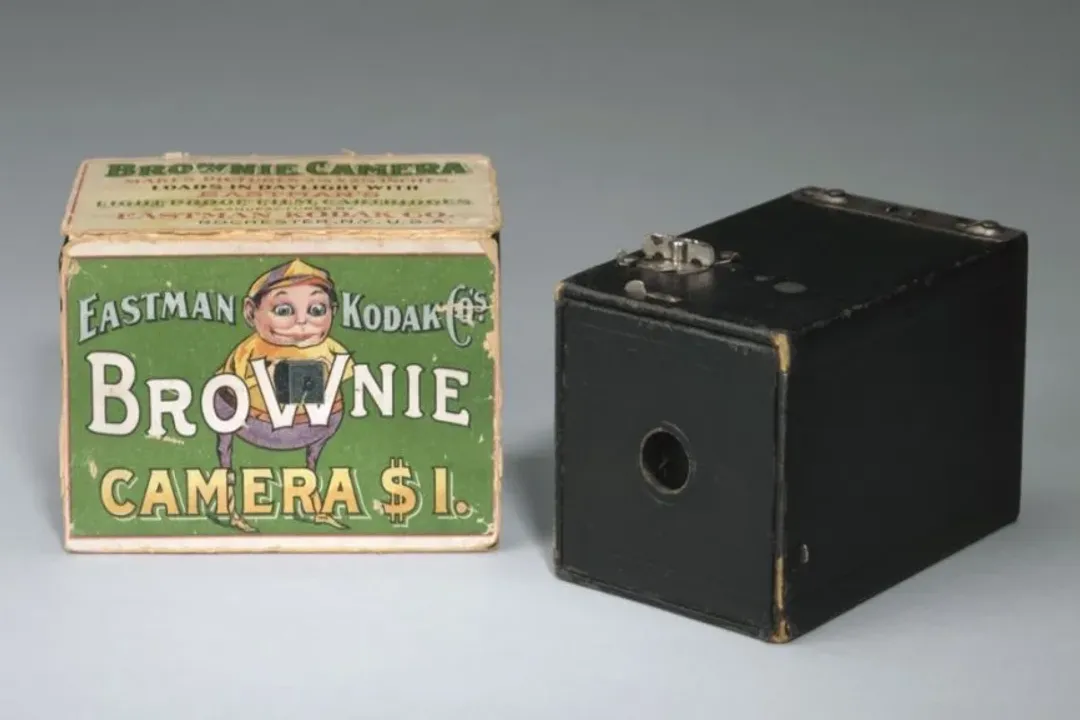
While the $25 price point for the original Kodak No. 1 was revolutionary compared to existing photographic apparatuses, it was still a significant investment for many working families in the late 19th century. The true democratization of the box camera arrived a little over a decade later with the introduction of the Kodak Brownie in 1900.
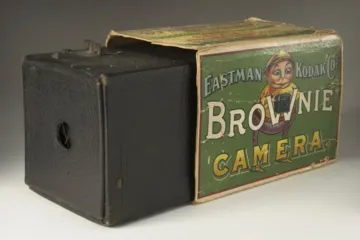
The Brownie took the basic wooden box concept and stripped it down even further, making it incredibly inexpensive to acquire—the camera body itself cost roughly $1. This drastic price reduction, representing about a 96% drop from the initial Kodak No. 1 entry price, opened the floodgates of amateur photography. Suddenly, children and everyday people could afford to document their lives, leading to a cultural transformation in how memories were captured and preserved. The Brownie was designed so simply that it could be constructed out of cheap cardboard materials, yet it still delivered reliable results when paired with the improved roll film system.
To illustrate the scale of this shift, consider the economics of photography entry:
| Model | Approximate Introduction Year | Entry Cost (Body Only) | Film Capacity | Primary Target |
|---|---|---|---|---|
| Kodak No. 1 | 1888 | $25 | 100 Exposures | Early Adopters |
| Kodak Brownie | 1900 | ~$1 | Varies (Roll film system) | The General Public |
This massive reduction in initial outlay fundamentally changed the experience of photography from a specialized craft to a common pastime.
# Lasting Impact
George Eastman is correctly credited as the creator of the accessible box camera because he solved the user-experience problem, not just the engineering problem. He packaged the necessary technology—the film, the camera body, and the processing service—into a complete, easy-to-understand product.
The legacy of the box camera is not just about the physical object being a simple wooden square. It is about the philosophical shift it represented. Prior to 1888, taking a photograph meant a commitment to a complex, multi-stage process involving heavy equipment, chemicals, and specialized knowledge. Eastman’s box camera eliminated that commitment, turning the act of capturing a moment into a simple, almost automatic function. This democratization laid the groundwork for every point-and-shoot camera, and even many of the simpler features found in modern smartphone cameras today. The box camera was the first mass-market device that allowed anyone, regardless of technical skill, to participate in the creation of their own visual history.
Related Questions
#Citations
Original Kodak Camera, Serial No. 540
Box camera - Wikipedia
The Beginning: Box Cameras - Lomography
This Day In History Sept 4 1888 George Eastman patents the first roll ...
“You Push The Button, We Do The Rest”: George Eastman's 1st Box ...
The Kodak Brownie Camera - Artisan Obscura
Eastman museum buys only known box of first Kodak Film
Kodak and the Rise of Amateur Photography
Then & Now – Celebrating the Life of Kodak, the First Film Camera