Who created parking sensors?
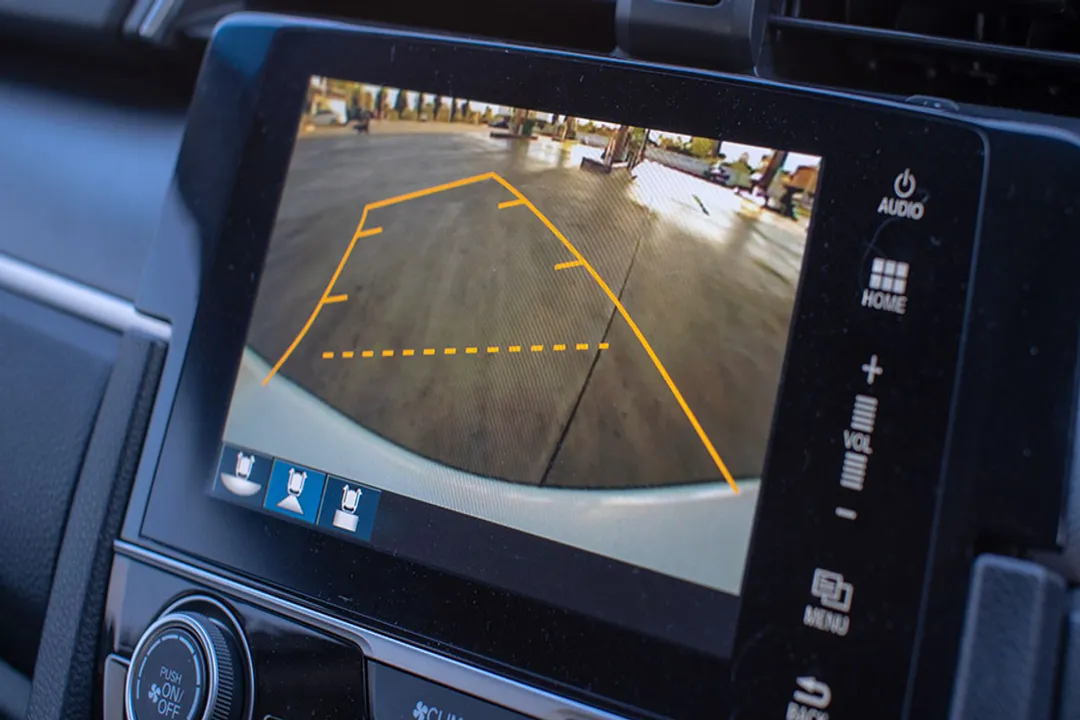
The development of technology that helps drivers gauge distances when maneuvering into tight spots has a surprisingly long lineage, even if the familiar, chirping parking sensor we rely on today feels like a relatively modern addition to the automotive world. For decades, avoiding that dreaded thud against a wall or another vehicle required sharp judgment, good mirrors, and perhaps a spotter. The path to automated assistance, however, reveals a history marked by significant conceptual leaps, moving from rudimentary guidance systems to precise electronic measurement tools. [6][4]
# Early Concepts
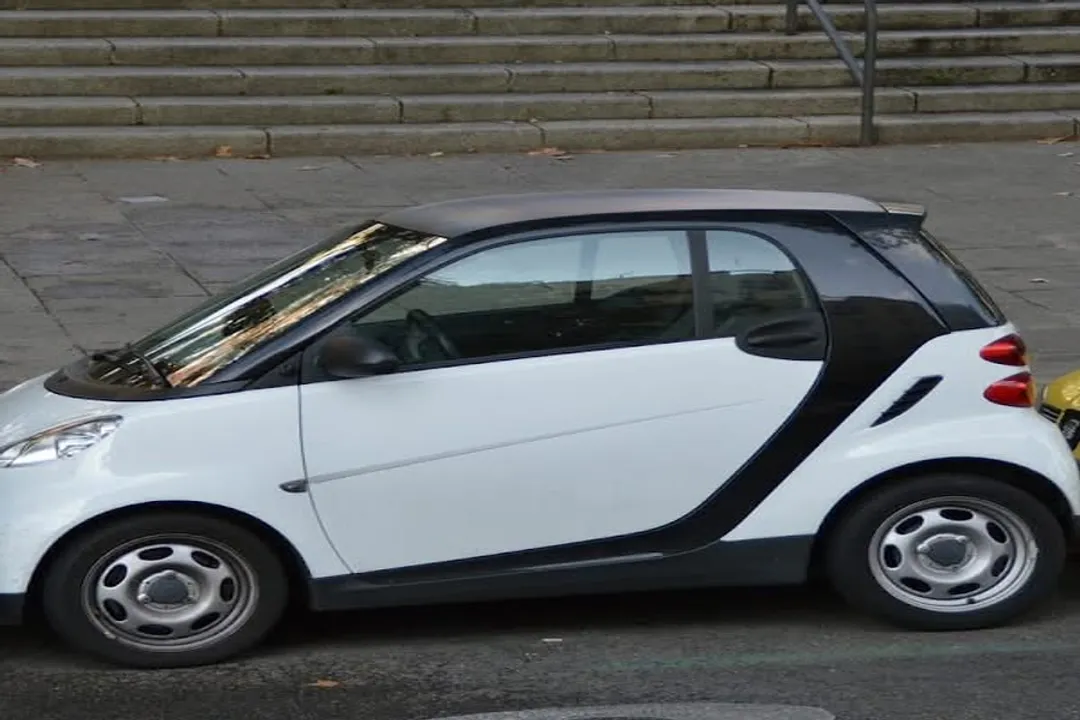
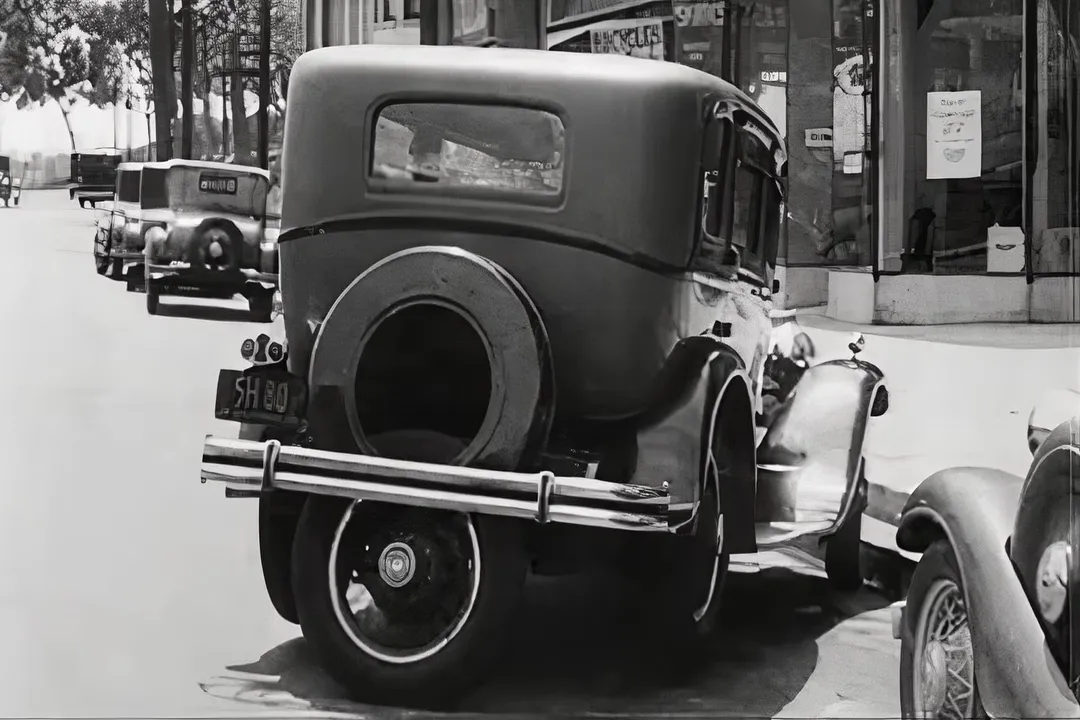
The idea of assisting a driver with parking is not new; in fact, some evidence suggests the very first dedicated park assist system emerged almost a hundred years ago. [6] While the specifics of what these original systems entailed are sometimes vague in later accounts, they represented an early engineering attempt to solve the inherent difficulty of judging the rear clearance of a vehicle, especially before the widespread adoption of large rear windows or precise body shapes. [6] It’s important to note the distinction here: these early attempts were conceptual assist systems, which likely relied on mechanical indicators or very primitive electronic signaling, far removed from the ultrasonic pinging we recognize today. [4] Think of them as early, mechanical ancestors to the modern digital readout.
Insight: The sheer time gap between these "nearly a century ago" concepts and the validated electronic invention in the late 1980s highlights that the problem of parking assistance was recognized early, but the solution required significant advancements in reliable, affordable electronic sensor technology—specifically, the ability to rapidly calculate distance using inaudible sound waves. [6]
# The Inventor
When pinpointing the creator of the electronic parking sensor as we typically understand it—the system using transducers to measure proximity—the credit often lands in Flanders, Belgium, in 1987. [3] Specifically, Rudy Beckers is credited with inventing these parking sensors. [3] This breakthrough involved developing a system that could reliably detect objects behind the car using electronic signals, translating that detection into an audible warning for the driver. [3] This invention marked a genuine shift, moving from passive aids to active distance measurement within the vehicle itself. [7]
The technology’s introduction around this time also coincided with vehicles becoming larger and having less visibility out of the rear, making such a device increasingly valuable for everyday drivers who weren't necessarily maneuvering large commercial trucks. [4] The adoption likely wasn't instantaneous across the whole industry, but Beckers’ contribution provided the blueprint for the modern parking assist feature. [3]
# Sensor Science
The technology developed by Beckers and refined subsequently relies heavily on ultrasonic measurement. [4][7] These systems typically use multiple small sensors mounted in the bumpers. [7] They work by emitting high-frequency sound waves, often in the ultrasonic range, which are inaudible to the human ear. [4] When these waves strike an object—like a wall, a curb, or another car—they bounce back to the sensor. [4] The system then measures the time it takes for the echo to return. [7]
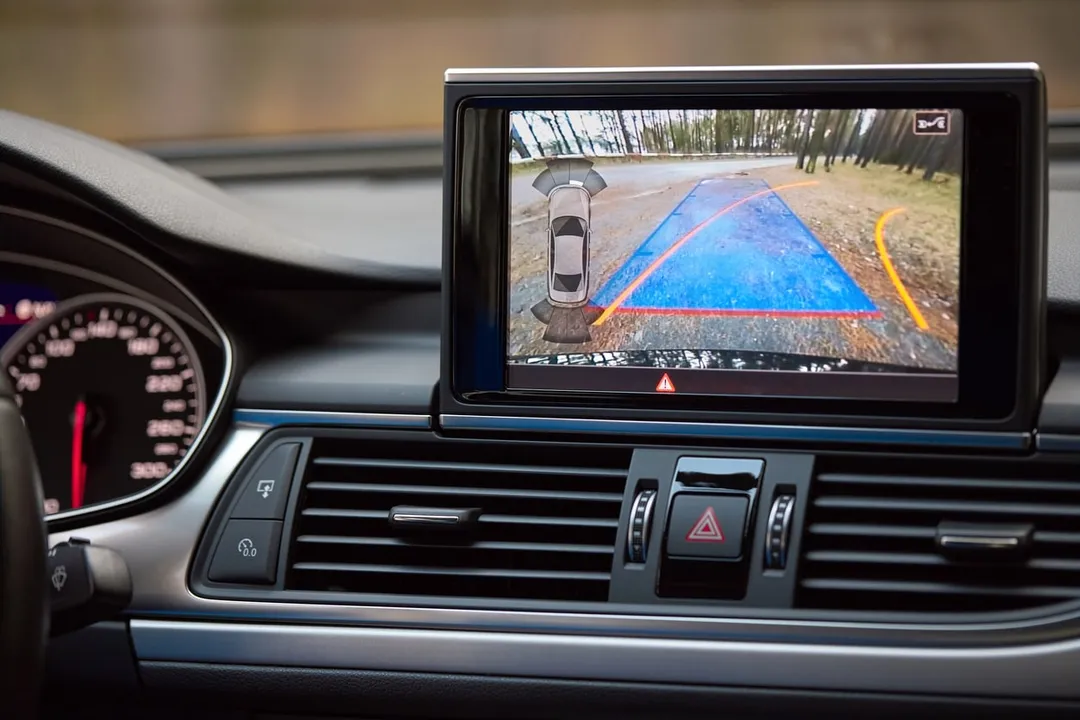
This elapsed time is directly proportional to the distance between the sensor and the object. [4] The faster the echo returns, the closer the object is, which results in a quicker beep or a more solid tone from the car’s warning system. [7] Modern systems often translate this into visual bars on a dashboard display as well, adding a graphical element to the auditory warning. [7]
It is fascinating to observe how engineering constraints dictate design choices, even today. In older or base models, fewer sensors meant larger blind spots between the measurement points. [4] If you’ve ever backed up slowly, hearing the alarm suddenly go off only when you are precisely between two sensors, you’ve experienced the limitation of earlier sensor placement strategy. [4] A car manufacturer must balance the cost of installing more sensors (e.g., six or eight instead of four) against ensuring complete coverage of the bumper area at low parking speeds.
# Commercialization Path
While Rudy Beckers appears to hold the key invention patent or concept for the modern version in 1987, [3] the technology naturally evolved through various companies and innovations afterward. [5] The general concept of park assist technology saw continuous development throughout the late 20th and early 21st centuries. [4] Companies specializing in automotive electronics and safety systems continued to refine the range, accuracy, and integration of these proximity alerts. [2]
The introduction of more advanced electronic systems allowed manufacturers to integrate these sensors with other features, such as automatic braking or camera systems, creating what we now recognize as full Park Assist suites. [7] Someone like Paul Collins of Parking Sense represents the ongoing evolution within the industry, focusing on refining and deploying these aids, often for commercial or specialized applications long after the original concept proved viable. [5]
Insight: Considering the original 1987 invention, it’s worth noting that the sheer accuracy required for modern automated parking functions (which often need sub-centimeter precision) far surpasses what the initial warning-based systems were designed for. [4] The 1987 system was primarily designed to alert the driver to an imminent hazard, whereas today’s systems often measure the gap to help steer the car itself, showing a massive progression in data processing capability built upon that initial detection principle. [7]
Parking sensors, therefore, have a history split between a very old idea of parking help and a specific, highly successful electronic invention in the late 1980s. From Rudy Beckers’ initial ultrasonic application in Flanders to the sophisticated, multi-sensor arrays common today, these little bumper dots have fundamentally changed how drivers approach parallel parking, saving countless bumpers in the process. [3][7]
Related Questions
#Citations
The TRUE origin of parking sensors : r/cars - Reddit
How Wraps and Parking Sensors Can Work in Harmony
Did you know that parking sensors were invented in Flanders? In ...
A short history of park assist technology - Ezilend
Morgo Stories : Paul Collins of Parking Sense
This Parking System Dates Back Almost 100 Years - CarBuzz
Parking tech explained: from sensors to cars that do it all - Ageas
The Early History of Parking Assist Technology - Instagram
Everything You Need to Know about Parking Sensors | Ken's Autos