Who created Chindogu?
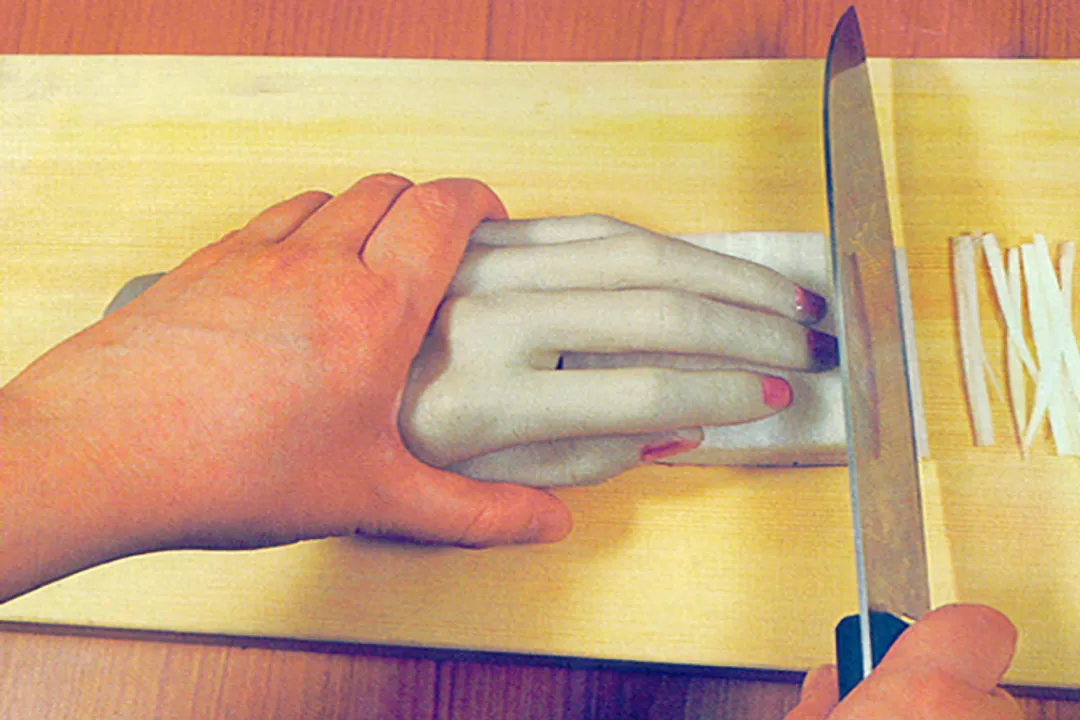
The idea of an invention that solves a problem so perfectly it becomes entirely useless is a unique piece of cultural invention originating in Japan. These creations, known as Chindōgu (or sometimes Chindogu), exist in a fascinating gray area between pure practicality and outright absurdity. While countless people have likely dreamed up odd gadgets over the centuries, the formal codification and popularization of this concept belong to one specific individual who defined its spirit and rules.
# The Inventor
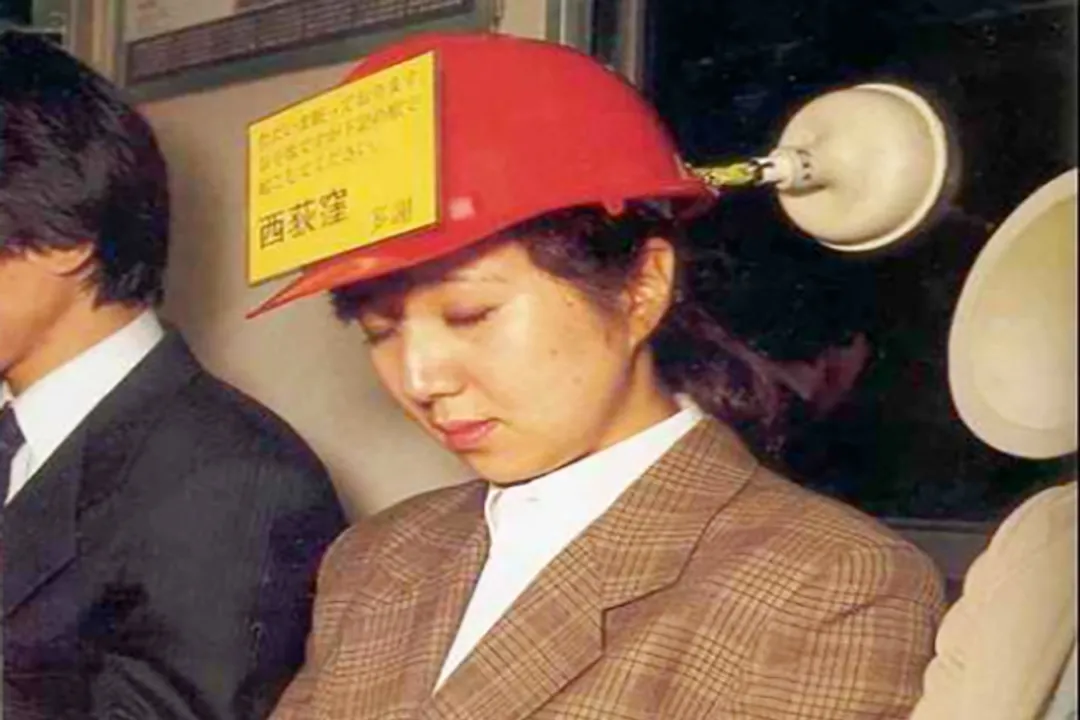
The mind behind Chindōgu is Kenji Kawakami. Kawakami is recognized as the founder and primary popularizer of this artistic pursuit. He is described as a writer and editor, a background that clearly influenced his ability to frame and disseminate this novel idea. While the exact year is sometimes cited with slight variation, the concept of Chindōgu began to take shape around the mid-1990s, specifically in 1995.
Kawakami’s engagement with this niche quickly transcended a simple hobby. He dedicated himself to the philosophy, evolving into a writer and inventor whose primary focus became the documentation and celebration of these "unuseless things". His dedication to the concept is what transformed an amusing observation into an established cultural phenomenon.
# Magazine Roots
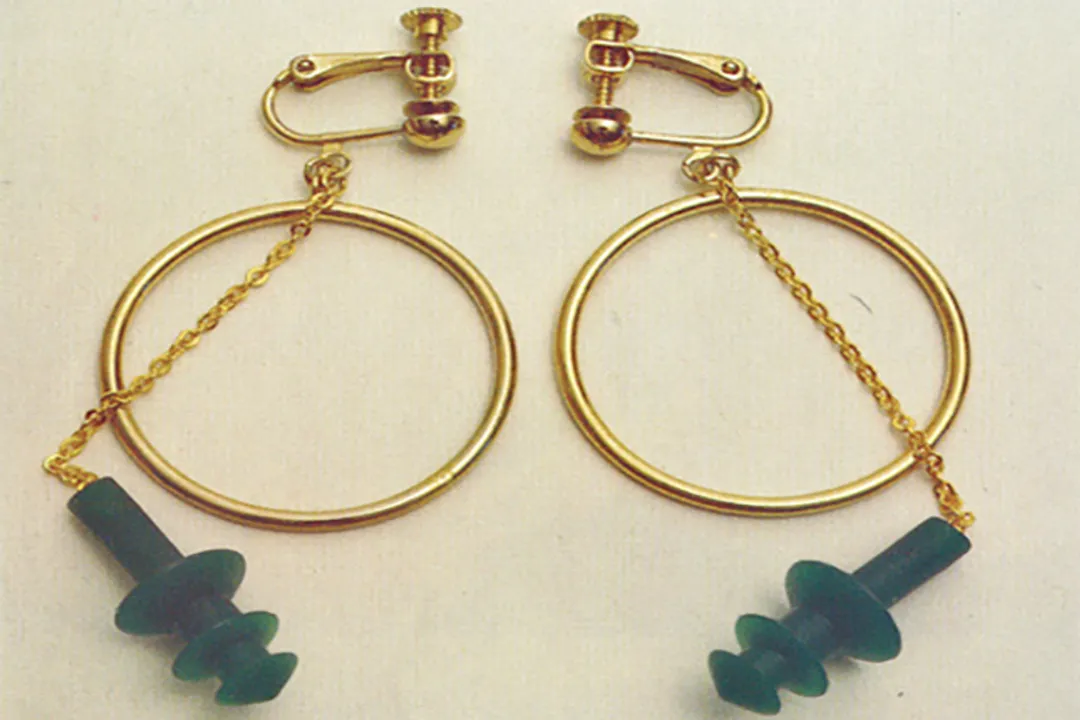
The environment that nurtured Chindōgu was rooted in Japanese publishing. Kenji Kawakami was deeply involved with the magazine Mail Order Life (or Tsūhan Seikatsu). This publication focused on the kinds of practical, often mass-produced goods that people order by catalog. It is easy to see how an editor immersed in practical consumerism might begin to critique the relentless pursuit of utility, leading to a counter-movement.
The concept of Chindōgu arose from this editorial context, perhaps as a deliberate, tongue-in-cheek reaction to the endless stream of products promising to improve one's life. It was from this platform that Kawakami introduced the world to inventions that were brilliant in theory but fatally flawed in execution. The concept gained traction because it spoke to a shared human experience: the momentary flash of an idea that seems genius until you try to actually use it in the real world.

# Invention Criteria
What separates a genuine Chindōgu from a mere broken gadget or a failed prototype is a strict, though often humorous, set of criteria established by Kawakami. An object cannot simply be useless; it must aspire to be useful, yet be rendered impractical by its own design. The very best examples adhere to several core principles that define the art of unuselessness.
The fundamental rules guiding a true Chindōgu invention are:
- It must be almost useful: The invention must solve a real, recognizable problem. It cannot be completely absurd from the outset; it needs a kernel of genuine, problem-solving intent.
- It must exist: The device cannot remain a mere sketch or concept; it must be physically created and demonstrable. This physical reality is what allows us to judge its impracticality.
- It cannot be patented or sold: This is perhaps the most crucial differentiator. If an invention can be patented, mass-produced, or sold as a commercial success, it ceases to be Chindōgu. Its value lies precisely in its unuselessness. If it becomes commercially viable, it becomes, by definition, something else.
- It doesn't need to be commercially viable: Related to the point above, the inventor is not seeking profit or fame; they are seeking the perfect balance of function and failure.
Thinking through these criteria offers a novel way to approach any design problem. Instead of asking, "How can I make this work perfectly?" a Chindōgu mindset asks, "How can I solve this problem, but in a way that makes using the solution more complicated than the problem itself?" For instance, creating a specialized umbrella attachment that allows you to shade both your head and your feet simultaneously—an idea that sounds useful for a sudden downpour but results in a cumbersome, unwieldy apparatus—perfectly fits the mold. It’s a checklist for creative obstruction.
# Exhibition History
Kawakami’s concept gained attention far beyond the pages of his magazine, leading to international recognition that validated Chindōgu as a serious, if playful, cultural statement. One significant moment in this global recognition was the exhibition of Kawakami's work at the Palais de Tokyo in Paris.
This exhibition showcased the creations in a fine art setting, treating the objects with the seriousness of sculpture while acknowledging their inherent absurdity. Presenting these Japanese "unuseless things" in a major European contemporary art venue demonstrated the concept's reach and its appeal to audiences outside of its cultural origin. The fact that the work travels and is displayed in high-profile venues underscores that Chindōgu has become more than just a collection of funny objects; it functions as a form of conceptual art commentary.

# Art of Absurdity
While the core of Chindōgu lies with Kenji Kawakami and his specific rules, understanding why the concept endures requires looking at the spirit behind the design. Many observers correctly categorize these items as "quirky Japanese inventions" that sit between useful and useless. This balance is what makes them shareable and engaging, leading to their spread on social media platforms where visual evidence of their strangeness is easily conveyed.
The true genius of Kawakami's creation is that it formalizes absurdist intention. Many objects fail in the real world by accident—a poorly chosen material, a manufacturing error, or an unforeseen circumstance. Chindōgu forces the inventor to consciously engineer failure into the solution. This intentional path to impracticality mirrors certain schools of conceptual art, where the idea or the statement behind the object outweighs its functional reality. Where a standard inventor seeks to eliminate problems, the Chindōgu creator seeks to highlight them through an elaborate, beautiful, and ultimately pointless creation.
This highlights a fascinating cultural contrast. In a society often praised for meticulous craftsmanship and efficiency, Kawakami champions the beauty of the almost-perfect, the nearly-there gadget. It serves as a gentle reminder that not every problem needs an engineered solution, and sometimes, the most thoughtful response to a minor annoyance is an invention so elaborate it becomes a humorous performance piece. This perspective invites us to consider the value of play, the limits of technological fixation, and the inherent comedy found when human ingenuity is applied to trivialities with utmost seriousness.
Related Questions
#Citations
Chindōgu - Wikipedia
Kenji Kawakami | Chindogu
KENJI KAWAKAMI - Palais de Tokyo
Chindogu: The Art of 'Unuselessness' - HASTA
The Useless Inventions of Kenji Kawakami - Chindogu
Chindogu are quirky Japanese inventions that sit between useful ...
Chindogu: Only in Japan will these things exist…. - The Culture Map
Chindogu is a Japanese concept where inventors create quirky and ...
Chindogu is a Japanese concept where inventors create quirky and ...