Who created fuses?
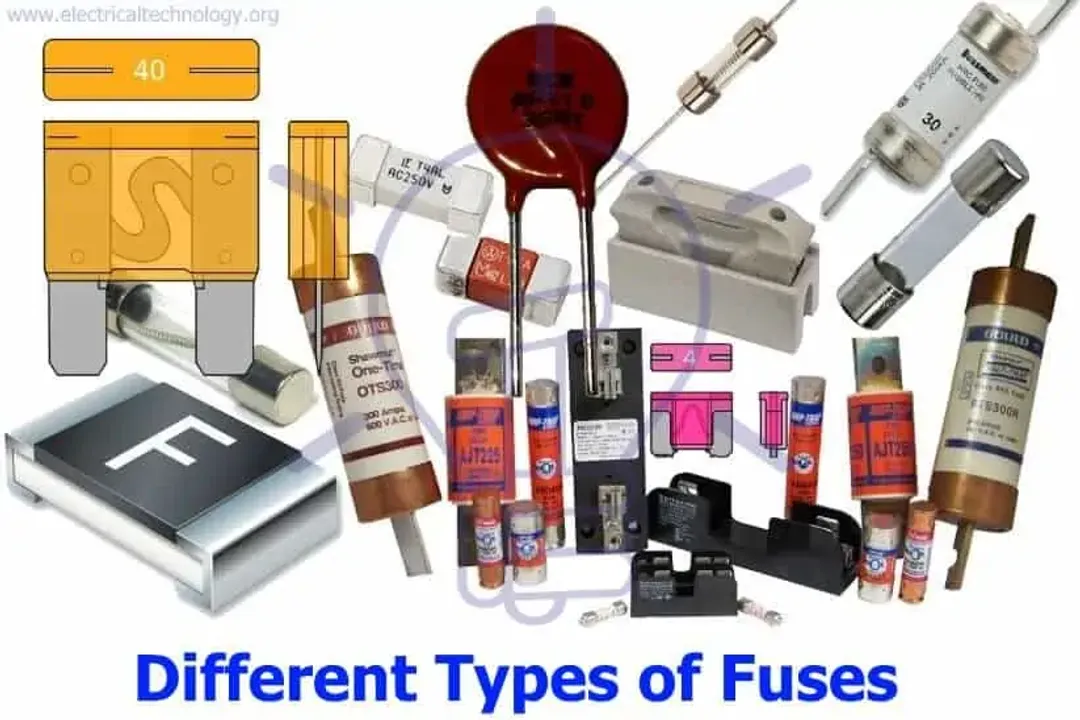
Tracing the origin of the electrical fuse is less about identifying a single inventor and more about charting an evolutionary path of electrical safety—a story where every new technology demanded a new, sacrificial weak link. The concept predates modern electricity entirely, finding its roots in controlling explosive charges, where a slow-burning fuse was necessary to ensure proper timing and distance before detonation. [1] These earliest forms relied on the controlled rate of burning material, a principle adapted centuries later for managing current.
# Explosive Roots
In the realm of explosives, fuses were essential safety mechanisms, designed to reliably transmit a flame or heat source over a set distance or time before igniting the main charge. [1] While this application is distinct from electrical overload protection, it establishes the core principle: a pre-determined point of failure designed to operate predictably under stress. This concept of controlled failure is the philosophical ancestor of every fuse that followed, whether it was designed to burn through a length of wire or vaporize a tiny metal strip.
# Electrical Safety
When electricity began to be harnessed for power and light, the danger of uncontrolled current flow—which causes overheating, melting insulation, and fire—quickly became apparent. [3] Early electrical systems were inherently risky because there was no reliable way to interrupt an overloaded circuit automatically. Early attempts at protection might have involved simply running wires too small for the intended load, relying on them to melt and break the circuit if too much current passed through, but this was dangerously imprecise and often required replacement under live, hazardous conditions. [9]
A significant figure in solidifying the role of protective devices in electrical infrastructure was Thomas E. Murray. [4] Recognized for his contributions to electrical safety and infrastructure, Murray was instrumental in developing systems that made electricity practical and safer for widespread adoption. [4] While the precise invention date of the first recognizable electrical fuse is often debated because of parallel development, figures like Murray were focused on making the entire electrical system reliable, which necessitated predictable overcurrent protection devices. [4] The move toward standardized, replaceable fuse elements was a necessary step away from simply cutting or replacing burned wires haphazardly.

# Voltage Barrier
The challenge escalated significantly as electrical systems moved from low-voltage DC installations to high-voltage AC power distribution networks. Protecting these systems required a device that could not only melt its conductive element but also effectively quench the resulting electrical arc, a critical issue at higher voltages. [10] A major milestone in this specialization occurred in 1909 with the creation of the world's first reliable high-voltage power fuse. [10]
This innovation moved the fuse out of the realm of simple low-current protection and into heavy industrial and utility applications. Unlike a household fuse where a small puff of smoke is the worst outcome of failure, a high-voltage fuse failure could result in a massive arc flash. The solution involved embedding the fusible link within an insulating medium—often sand or specialized fillers—to absorb the energy of the arc and rapidly extinguish it once the link vaporized. [10] This technical advancement allowed power grids to expand without constant catastrophic failures due to short circuits or overloads.
# Vehicle Protection
As the automotive industry matured, the complexity of vehicle electrical systems—including ignition, lighting, and accessories—demanded localized protection. Early automobiles sometimes relied on simple links or basic ceramic cartridge fuses. [2] However, the need for easier maintenance and greater standardization drove the development of what we now recognize as the blade fuse. [2]
The creation of the automotive blade fuse marks a shift toward mass-producible, user-serviceable safety components. These were designed to plug directly into a dedicated fuse block, replacing the need for tools or specialized knowledge to reset the circuit. [2] Comparing the required physical robustness of a 1900s house fuse (often housed in large ceramic or glass bodies for insulation and containment) versus the vibration-resistant, standardized plug-in design of an early automotive blade fuse highlights the engineering challenge of miniaturization under constant mechanical stress. This necessity for quick, standardized replacement became a defining feature of modern mobile electrical systems. [2]
# Component Specifics
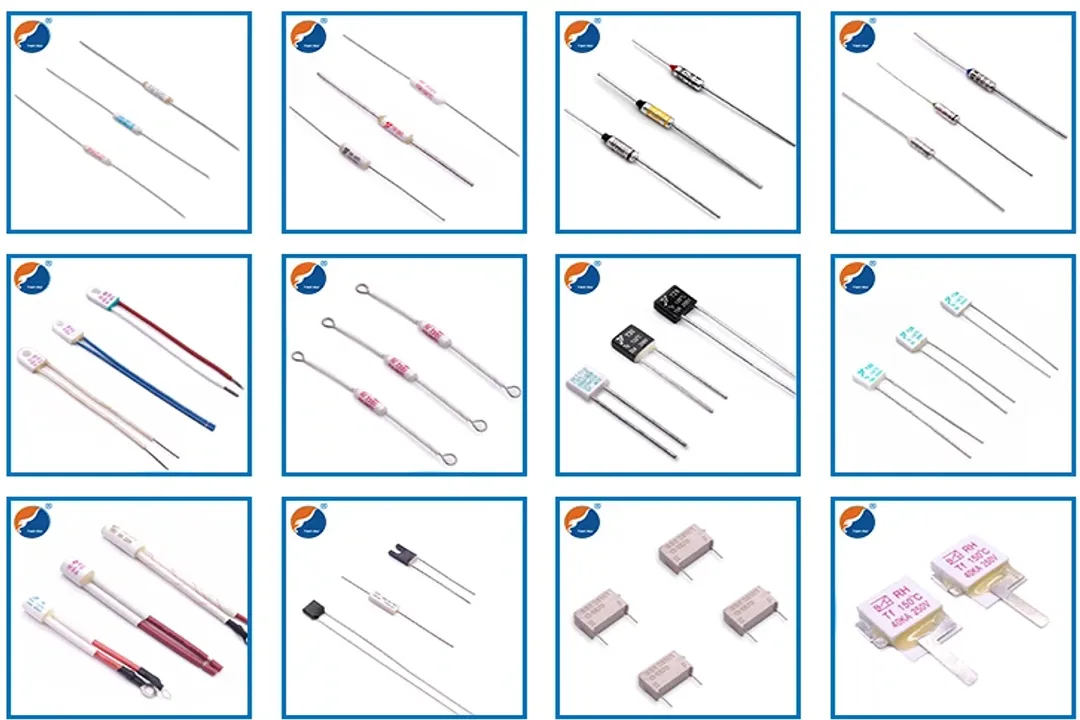
The evolution didn't stop at high voltage or automotive applications; it extended down to the minuscule scales of electronic circuitry. Fuses began to be integrated directly into electronic components, requiring precise, repeatable behavior tailored to the sensitive nature of integrated circuits and solid-state components. [5] This led to the differentiation between fast-blow and slow-blow characteristics. [5]
A fast-blow fuse is designed to react instantly to a sudden, dangerous current surge, protecting sensitive elements like the internal workings of a multimeter from immediate damage. [5] Conversely, a slow-blow fuse is engineered with a deliberately longer reaction time. This delay is crucial because many electronic devices, such as motors or power supplies, draw a large, temporary current spike—called an inrush current—when they are first switched on. If a fast-blow fuse were used in that application, it would constantly trip during normal startup procedures. The decision between a fast-blow (instantaneous protection for sensitive components) and a slow-blow (allowing temporary startup surges) illustrates an understanding of transient electrical behavior, moving the fuse from a simple "weak link" to a nuanced protective coordinator within a system.
# Iterative Safety
It is clear that the creation of the fuse was not a single "Eureka!" moment belonging to one person, but rather a continuing process driven by necessity across various engineering disciplines—explosives, power generation, automotive manufacturing, and microelectronics. [3][9] From the rudimentary controlled burn used in pyrotechnics to the sophisticated, sand-filled interrupters of the 1900s, and finally to the tiny, precisely calibrated strips found in circuit boards today, the device has always adapted to the maximum threat level presented by the system it protects. [1][10][5] Modern circuit breakers represent the next stage of this evolution, offering resettable protection, but they exist because the fuse first proved the concept of predictable, automatic overcurrent interruption. [9] The legacy of the fuse is therefore one of continuous refinement, where every specialist—from Murray working on grid reliability to the unnamed engineer designing the standard blade size—added a critical layer to the safety doctrine.
Related Questions
#Citations
Fuse (explosives) - Wikipedia
History of the humble Automotive Blade Fuse - Classic Retrofit
History of fuses and circuit breakers - LinkedIn
NIHF Inductee Thomas E. Murray Invented the Electric Fuse Box
The Development Of Fuses in Electronic Components - News
The Development History of Fuses.fast blow or slow blow fuse for ...
Fuse Box Panels - Are they safe, and if not, how do I replace it?
Fuse and Types of Fuses - Construction, Operation & Applications
The History of Circuit Breakers: A Journey from Fuses to Modern ...
Milestones:World's First Reliable High Voltage Power Fuse, 1909