Who developed the Kodak film?

The development of the film that powered the legendary Kodak system is inextricably linked to the vision and entrepreneurial spirit of George Eastman. While a complex chemical product like photographic film involves numerous scientists and iterations, Eastman was the central figure whose relentless drive transformed photography from a complicated, plate-based process into something accessible to the average person. [5] His singular focus on simplification and mass production is what defined the success of Kodak film. [2]
# Early Chemistry
Before the iconic flexible film, Eastman dedicated himself to improving the cumbersome methods used by photographers in the late 1870s. [5] At the time, photography required coating glass plates with a light-sensitive emulsion, a messy and difficult procedure that had to be done immediately before exposure. [5] Eastman, working in Rochester, New York, focused on developing a dry-plate process that allowed photographers to prepare their materials in advance. [7][5] By 1879, he had refined the process for making gelatin dry plates, establishing a manufacturing facility in Rochester to produce them. [5] This initial success laid the commercial groundwork for what would become the Eastman Kodak Company. [1] Eastman was not just dabbling; he understood that manufacturing consistency was key to winning over a skeptical public. [7]
# The Flexible Base
The true game-changer, the innovation that necessitated the "Kodak" name and philosophy, wasn't just a better emulsion, but the medium it was applied to: flexible roll film. [5][4] Glass plates were heavy, fragile, and severely limited the amount of photography one could reasonably undertake away from a studio. [5] Eastman, sometimes in collaboration with others like Henry Reichenbach, solved this engineering and chemical puzzle by developing a material sturdy enough to hold the emulsion yet pliable enough to be rolled onto spools. [5] This flexible base was the essential prerequisite for a camera that could be simple, small, and pre-loaded with enough material for dozens of exposures. [2] The ability to spool hundreds of feet of this material meant that the apparatus itself no longer dictated the extent of the photographic session. [4]
# Eastman's System View

It is important to recognize that Eastman's genius lay less in discovering a single new molecule and more in architecting an entire user experience around the film itself. [7] While his team wrestled with the chemistry, Eastman focused on how the film would be used. The famous motto, "You press the button, we do the rest," perfectly encapsulates this approach. [2] The complexity of coating, exposing, and developing the delicate film was entirely abstracted away from the customer. [5]
This architectural view distinguishes Eastman’s contribution from that of a purely academic chemist. Many inventors create superior materials, but few successfully build the entire ecosystem necessary for mass adoption. Eastman understood that selling the film was inseparable from selling the means to easily capture the image and the means to reliably process the result. [7] His goal was to make photography simple enough for anyone to participate, and the flexible roll film was the critical physical link that enabled that transformation. [2][1]
# Patent and Rollout
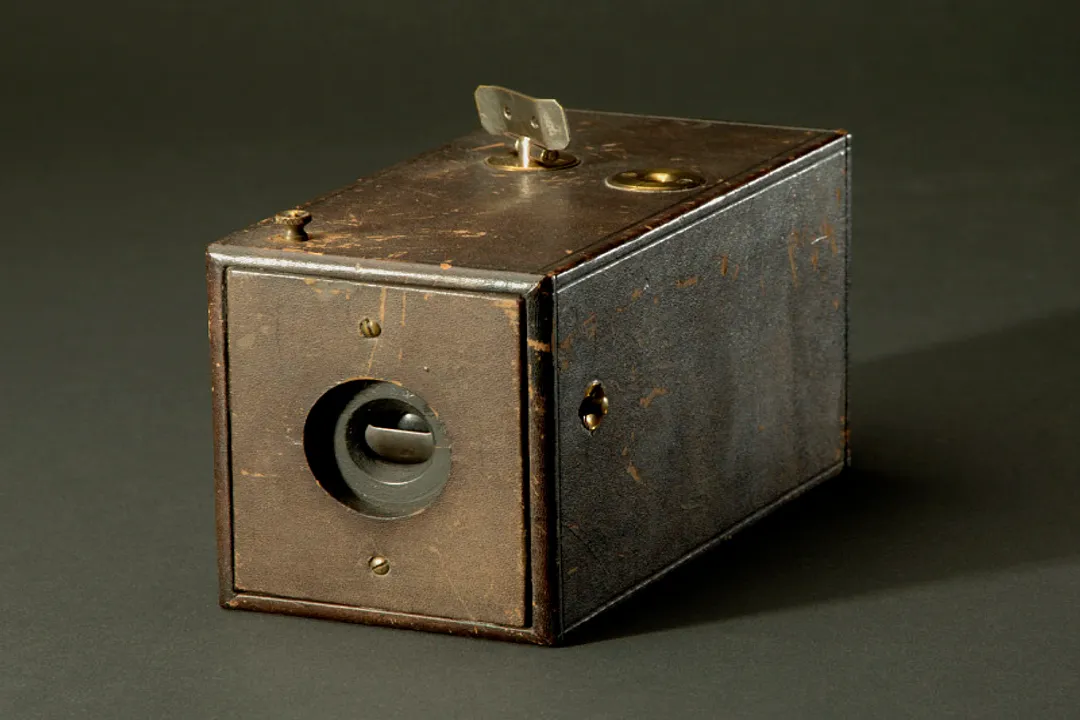
The theoretical development coalesced into a marketable reality with the introduction of the first Kodak camera, which used the new film roll system. [9] On September 4, 1888, Eastman secured the patent for the camera that utilized this flexible film, cementing his control over the essential enabling technology. [9] The camera came pre-loaded with a roll of film capable of taking 100 circular pictures. [9] Once the 100 exposures were complete, the customer mailed the entire camera back to the factory in Rochester. [2] Eastman’s company then developed the film, made the prints, reloaded the camera with a fresh roll, and sent it all back to the owner. [2] This circular transaction confirms that the film was not just a consumable good but the central component of the business model itself. [2]
# Film Evolution and Legacy
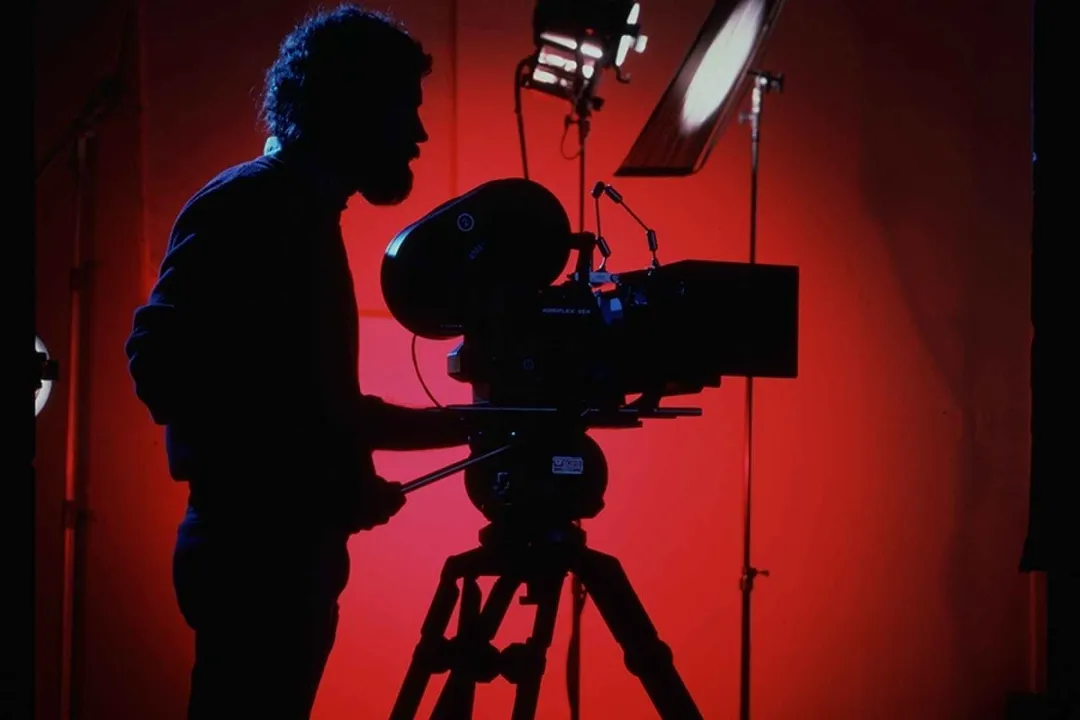
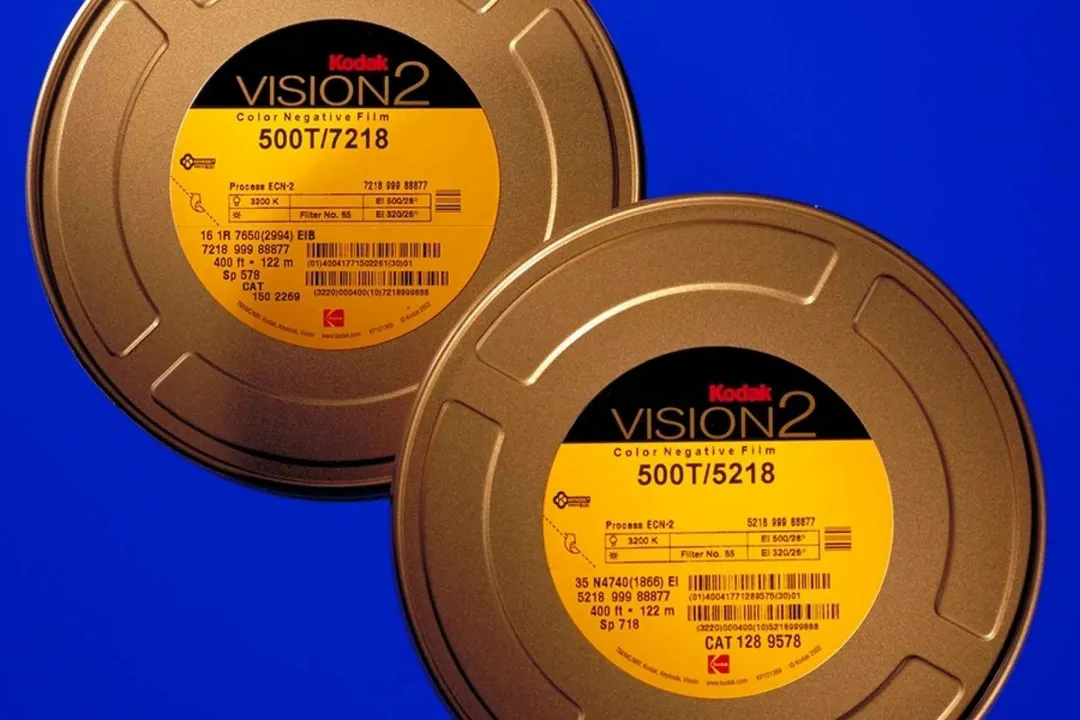
Eastman's initial roll film, while revolutionary, was only the beginning. The company continued to refine film technology across decades, leading to advancements in color, speed, and finer grain structure. [1][4] For instance, the chronology of Kodak film shows steady progress, including the introduction of high-speed films and films specialized for motion pictures, which further solidified the company's technological authority in the field. [4] While George Eastman passed away in 1932, the fundamental principles—high-quality, consistent emulsion coated onto a practical base—that he established remained the foundation of the business for nearly a century. [2]
The separation of the technical achievement (the film) from the practical execution (the shooting and developing) had a subtle but profound impact on how society viewed image-making. Prior to Kodak film, taking a photograph carried an air of scientific endeavor; afterwards, it became a leisure activity. [5] Eastman's development essentially outsourced the difficult chemistry to the factory, allowing consumers to focus purely on capturing memories, which is a transition few other technical inventions have managed so completely. [5][7] This democratization, driven by the consistency and portability of the film base he championed, remains his most significant contribution to visual culture.
# Manufacturing Reach
The scale required to support this global shift was immense. Eastman established manufacturing operations that were truly industrial in scope to maintain the quality necessary for the system to work reliably. [5] To give context to the engineering feat: when Eastman began, film production was manual, requiring meticulous coating processes. [5] By the time the company was fully established, the production of the flexible film base—whether nitrocellulose or later acetate—demanded highly controlled environments to prevent flaws that would ruin hundreds of feet of material instantly. [4] Considering the fragility of the early cellulose nitrate base and the subsequent safety improvements made with cellulose acetate, managing quality across millions of feet annually was a continuous, high-stakes chemical undertaking directed by Eastman’s overall quality mandate. [4][5]
Related Questions
#Citations
Kodak
History
George Eastman, Kodak, and the Birth of Consumer ...
Original Kodak Camera, Serial No. 540
About George Eastman
George Eastman
George Eastman patents Kodak camera
The Rise and Fall (and Rise) of Kodak Film