Who is the real inventor of cameras?
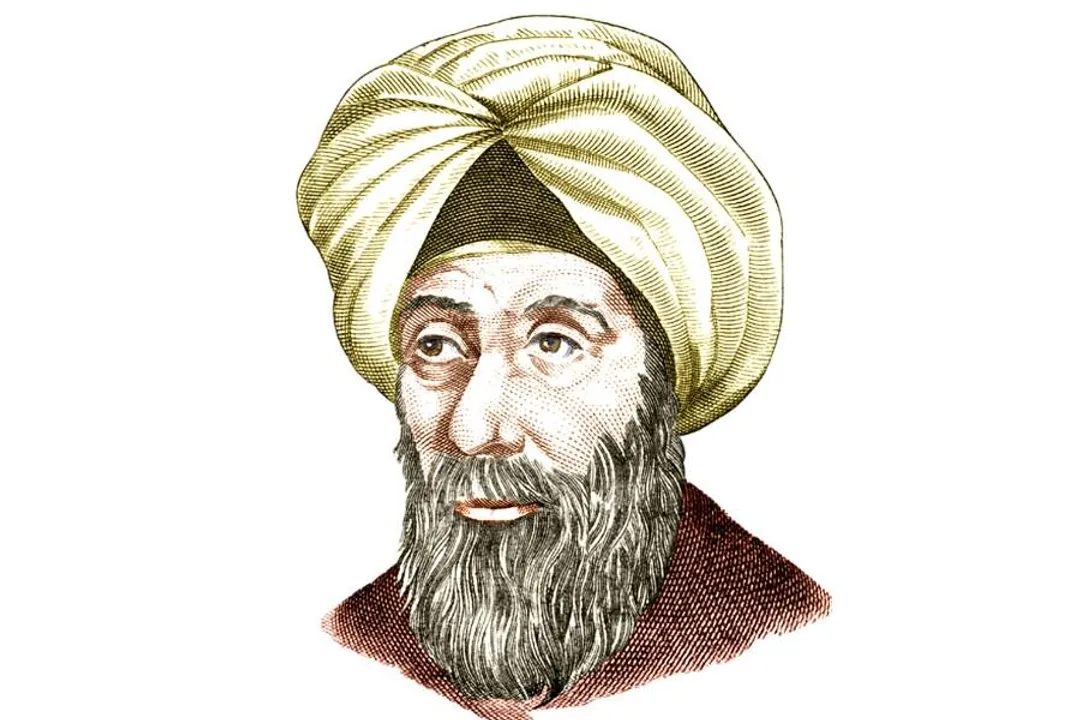
Pinpointing a single moment or individual responsible for inventing the camera is far trickier than consulting a simple timeline might suggest. The device we recognize today is the endpoint of centuries of optical science meeting chemical innovation, meaning the title of "inventor" must be shared among several determined pioneers. [2][5] To understand the real inventor, one must first decide whether they mean the inventor of the optical device that projects an image, or the inventor of the chemical process that permanently records that image. [7]
# Optics Precursor
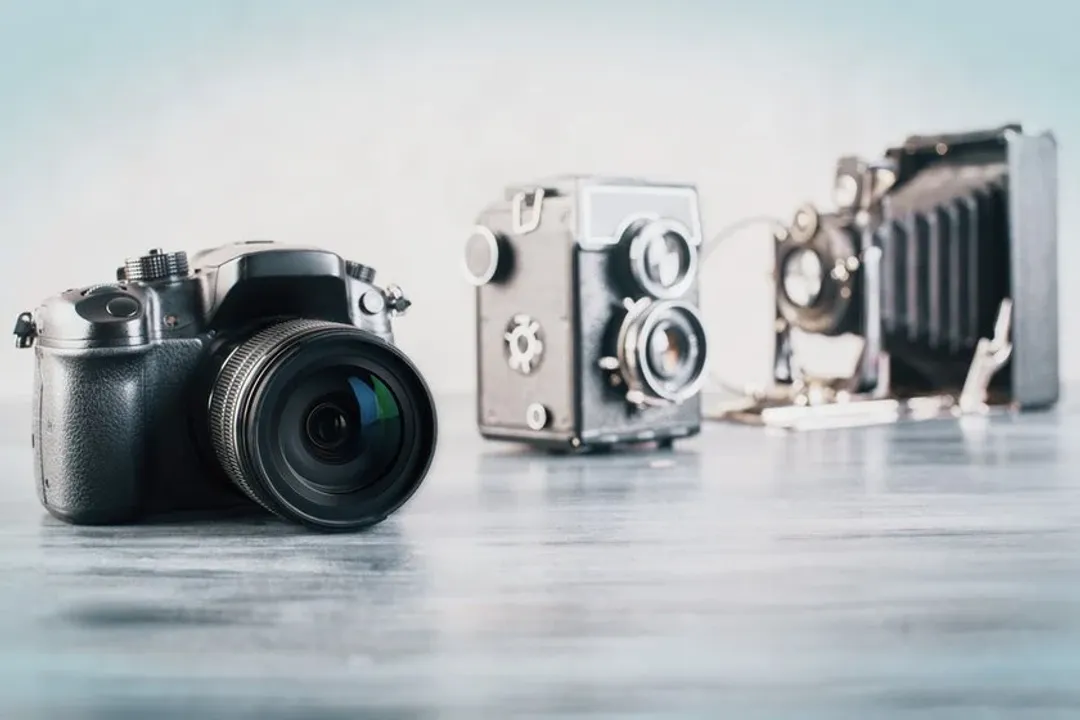
The foundational concept for image capture stretches back long before chemistry allowed light to be trapped on a surface. The camera obscura—Latin for "darkened room"—served as the optical ancestor to the modern camera. [1] This device was known to ancient scholars, who understood that light passing through a tiny aperture into a dark space would project an inverted, real-time image of the exterior scene onto the opposite surface. [1] Artists used these dark boxes or rooms for centuries to trace scenes accurately, treating the projected image as a guide. [7] However, the camera obscura could only show a temporary image; it could not save it. [1] The actual invention of the machine that records light falls squarely into the 19th century. [2]
# Permanent Picture
The true genesis of photography, and thus the photographic camera, centers on Joseph Nicéphore Niépce. [4][5] This French inventor is credited with producing the world’s first known surviving photograph, an image he called a heliograph. [6] Around 1826 or 1827, Niépce exposed a pewter plate coated with bitumen of Judea—a type of asphalt that hardened when exposed to light—to the view from his upstairs window in Chalon-sur-Saône, France. [1][9] The resulting image, titled "View from the Window at Le Gras," required an exposure time measured in days. [1][4] While primitive, this achievement marks the critical breakthrough: the image was finally fixed, proving that light could chemically alter a material permanently. [5] Niépce’s work established the fundamental principle upon which all subsequent photographic cameras would operate. [4]

# Partnership Formalized
Niépce was not working in isolation, though his early success was unmatched. He formed a partnership with Louis Daguerre, an established Parisian artist and showman. [1] This collaboration was vital, as it combined Niépce’s chemical persistence with Daguerre’s artistic and technical showmanship. When Niépce died in 1833, Daguerre continued refining the experiments they had started together. [1]
Daguerre’s breakthrough arrived a few years later. In 1839, the French government purchased the rights to his process and announced it to the world as a gift "free to the world". [1][3] This invention was the daguerreotype. [1] Unlike Niépce’s multi-day exposure on a crude metal plate, the daguerreotype used a highly polished, silver-coated copper plate treated with iodine vapor, dramatically reducing the required exposure time to mere minutes. [3] Though the daguerreotype produced a unique, non-reproducible positive image, it ignited the public imagination and became the first commercially viable photographic process. [3][7] For many historians, Daguerre is the one who brought the practical camera to life. [2]
# Parallel Progress
While Daguerre was achieving fame in France, a different, equally significant invention was underway in England, initiated by William Henry Fox Talbot. [1] Talbot’s goal was not just to capture a single image but to create a system that allowed for reproduction. [1]
In 1841, Talbot patented the calotype process (sometimes called the talbotype). [1] This process used sensitized paper, which created a translucent negative image. [1] From this negative, countless positive prints could be made using contact printing. [1] This negative-positive principle established by Talbot is the direct ancestor of the film-based photography that dominated the next 150 years. [1][7]
To better appreciate the distinct contributions of these three primary figures, their achievements can be summarized side-by-side:
| Pioneer | Key Contribution | Medium | Primary Impact |
|---|---|---|---|
| Niépce | First permanent photograph (Heliograph) | Bitumen on Pewter | Proof of concept |
| Daguerre | First practical, commercially successful process (Daguerreotype) | Silvered Copper Plate | Public adoption |
| Talbot | First negative-positive system (Calotype) | Paper | Foundation for modern printing |
# Defining Success
The debate over the real inventor hinges entirely on defining what constitutes "the camera". [2] If the camera is the instrument capable of recording light permanently, then Niépce holds the title due to his 1826/1827 success. [4][8] If the camera is the apparatus that made photography accessible and popular, enabling portrait studios to open across Europe and America, then Daguerre is the answer. [3] If, however, the invention is viewed as the development of a system that allows for mass distribution of images, Talbot’s calotype process is the truly revolutionary leap. [1]
It is easy to focus on the final, polished product, but the sheer difference in execution is telling. Niépce wrestled with an exposure time of many days—a process requiring patience bordering on geological time—to create an image barely viewable. [1] Daguerre refined this to minutes, making sitting for a portrait feasible, even if still tedious. [3] This progression illustrates that invention is rarely a single flash of insight; it is often a relay race where each contributor builds directly upon the previous, sometimes unknowingly. [2] The transition from Niépce's lengthy chemical burn to Daguerre's silver-plated revelation shows that refinement can be as much an invention as the initial spark.
# Device Growth
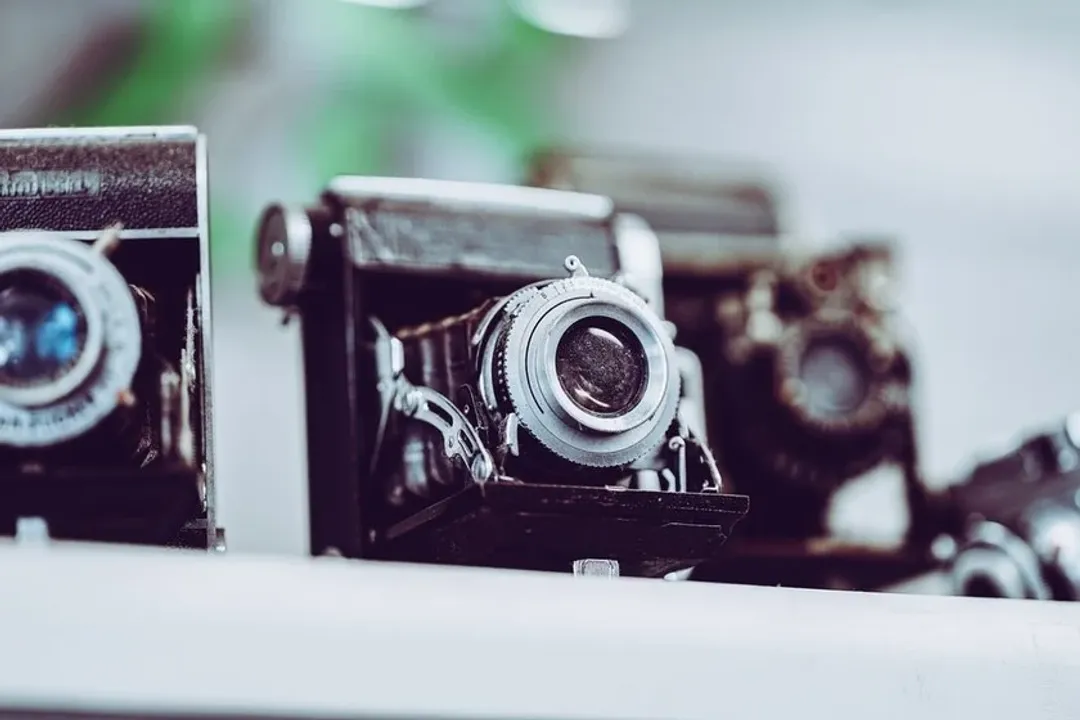
While Niépce, Daguerre, and Talbot were inventing the process, the physical devices they used still closely resembled the camera obscura. [1] These early photographic cameras were essentially large, wooden boxes that held the plate or paper, with a lens at the front and a ground-glass screen at the back for focusing. [1] They were cumbersome, heavy, and required external chemical setups, hardly the portable devices we know today. [7]
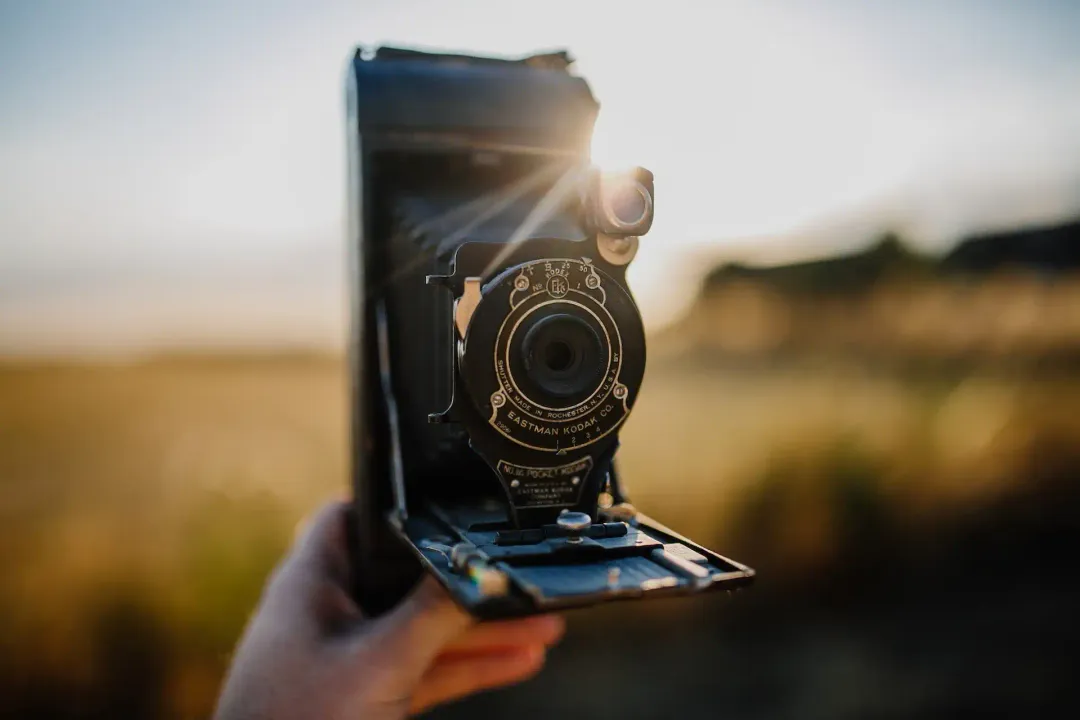
The drive toward simplification continued through the mid-19th century. Inventors constantly sought lighter materials and shorter exposure times, which allowed cameras to shrink from tripod-mounted boxes to more manageable field instruments. [1] The eventual standardization of dry plates and flexible roll film in the late 1800s, most famously associated with George Eastman’s Kodak system, finally separated the camera (the light-tight box) from the chemical darkroom. [1] It was this separation that truly democratized image-making, moving the apparatus out of the specialized studio and into the hands of everyday people. [5] Thus, while Niépce captured the first image, it took the subsequent work of Daguerre, Talbot, and others to invent the system and device that we now associate with the word "camera". [2][7]
Related Questions
#Citations
History of the camera - Wikipedia
When Was The Camera Invented? Everything You Need To Know
Who Invented the Camera? When Was the First Camera Invented?
When Was the Camera Invented — Dates & Inventors Explained
When Was The First Camera Invented: A Brief History | Skylum Blog
The Niépce Heliograph - Harry Ransom Center
When was the first Camera invented? A brief History of Photography
Who Invented The Camera And When? The Full History
In 1826 or 1827, French inventor Joseph Nicéphore Niépce made ...