What economic factor allowed microcontrollers to succeed in markets where microprocessor technology could not?
Answer
Their initial low cost and minimal power draw.
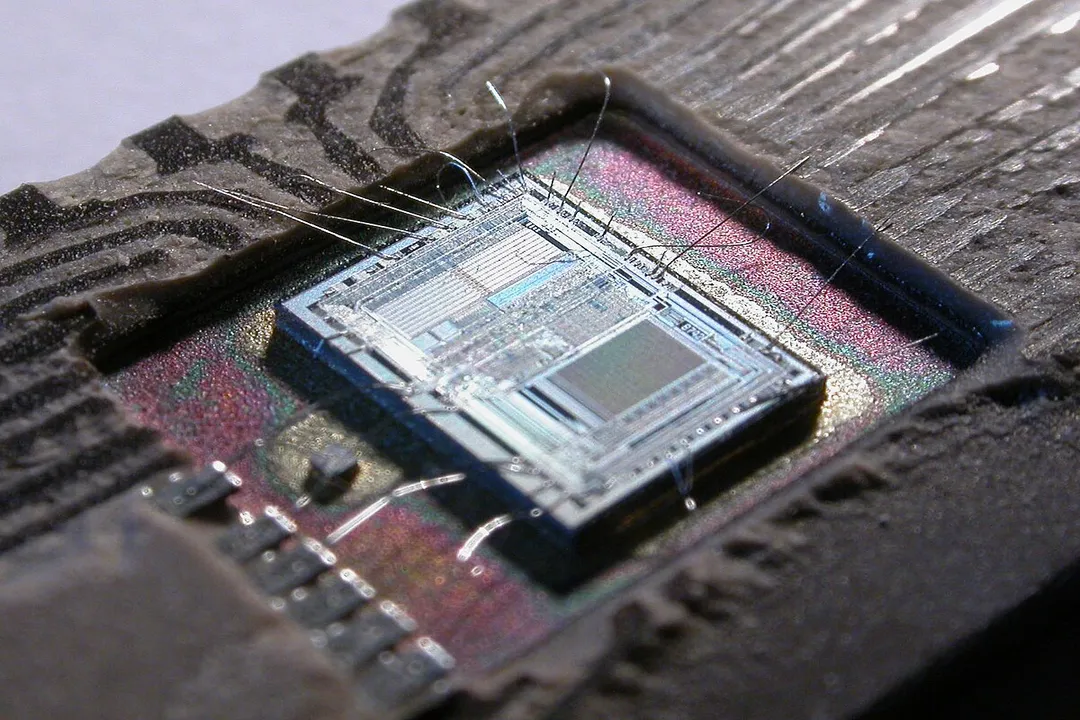
The widespread adoption of microcontrollers in everyday objects, ranging from simple toys to household appliances like washing machines, was driven by their unique cost and power profile. General-purpose microprocessors were historically too expensive and power-hungry to be viable for mass-market embedded tasks. The microcontroller succeeded by offering a compact, power-efficient, and low-cost alternative, enabling the widespread deployment of intelligence in devices that required efficient, low-power operation.
Related Questions
What are the primary structural differences between a microcontroller and a microprocessor?Which industry was primarily responsible for driving the early development of the integrated microcontroller?What design priorities define the efficiency of a microcontroller for embedded control tasks?How did early single-board computers differ from the initial design goals of the microcontroller?Why is in-system programming considered a defining method for software deployment in microcontrollers?Which set of components is integrated directly onto the silicon of a standard microcontroller?What benefit did the standardization of MCU architecture provide for software developers?What purpose do peripherals like timers and analog-to-digital converters serve within a microcontroller?What economic factor allowed microcontrollers to succeed in markets where microprocessor technology could not?How did the legacy of early single-board computers influence modern microcontroller development boards?