What design priorities define the efficiency of a microcontroller for embedded control tasks?
Answer
Minimal power consumption and minimal silicon area.
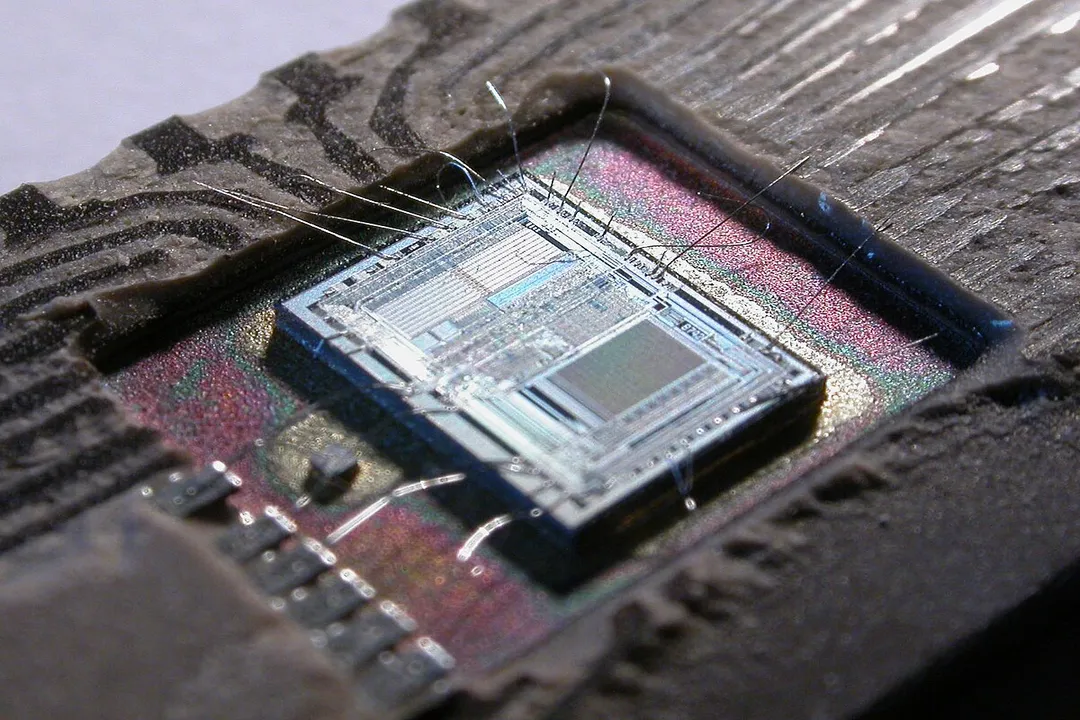
Unlike general-purpose computers that prioritize raw processing speed, microcontrollers are purpose-built for specific control applications. Designers optimize these chips to be highly efficient, often sacrificing top-tier clock speeds to ensure low power consumption and a small physical footprint. This architectural approach allows them to be cost-effectively embedded into household appliances, automotive systems, and industrial machinery where space is limited and energy budgets are extremely tight.
Related Questions
What are the primary structural differences between a microcontroller and a microprocessor?Which industry was primarily responsible for driving the early development of the integrated microcontroller?What design priorities define the efficiency of a microcontroller for embedded control tasks?How did early single-board computers differ from the initial design goals of the microcontroller?Why is in-system programming considered a defining method for software deployment in microcontrollers?Which set of components is integrated directly onto the silicon of a standard microcontroller?What benefit did the standardization of MCU architecture provide for software developers?What purpose do peripherals like timers and analog-to-digital converters serve within a microcontroller?What economic factor allowed microcontrollers to succeed in markets where microprocessor technology could not?How did the legacy of early single-board computers influence modern microcontroller development boards?